Lake Cerknica (Cerknisko jezero)
Lake Cerknica (Cerknisko jezero)
Lake Cerknica is a rare natural phenomenon: an intermittent karst lake that becomes a giant in winter and almost completely disappears in summer. A rare natural phenomenon in the heart of Slovénie, designated as Natura 2000.
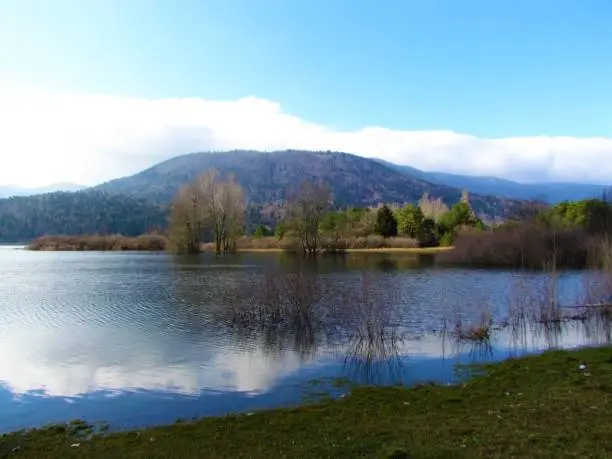
Lake Cerknica is a rare natural phenomenon: an intermittent karst lake located in the Notranjska region, southwest of Slovénie. In winter and spring, it forms one of the largest lakes in the country. In summer, it drains almost completely, leaving behind meadows and marshes. This unique cycle makes it an exceptional site for observing wildlife and flora.
Practical information at a glance
- Access: The town of Cerknica is about 50 km southwest of Ljubljana, accessible by car via regional road R2-409.
- Admission: The lake and its shores are freely accessible; the local museum (Notranjski muzej) requires an admission fee.
- Suggested duration: Half a day to a full day depending on the season and activity chosen.
- Best time to visit: Winter and spring to see the lake full; autumn for migratory birds.
What you'll see
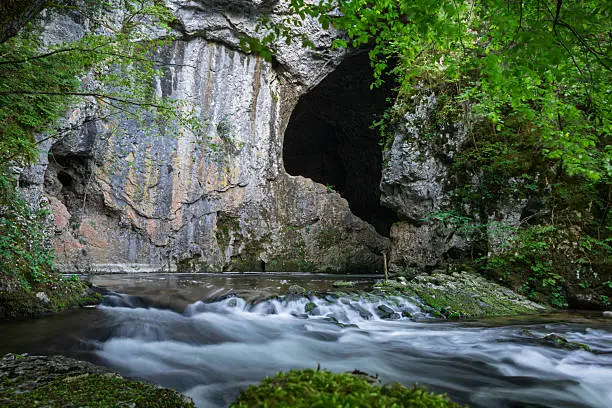
When the lake is full, its surface can exceed 26 km². Hundreds of bird species frequent its shores, including herons, storks, and numerous ducks. In summer, the drained bottom reveals sinkholes, resurgences, and flowering meadows. Local fishermen still practice traditional fishing on the lake.
History and context
Lake Cerknica is mentioned in texts dating back to antiquity. Slovenian naturalist Janez Vajkard Valvasor dedicated a study to it in the 17th century, which led to his admission to the Royal Society of London. The karst phenomenon is explained by a network of sinkholes and springs that regulate water levels according to precipitation.
Highlights of your visit
The lake in winter high water
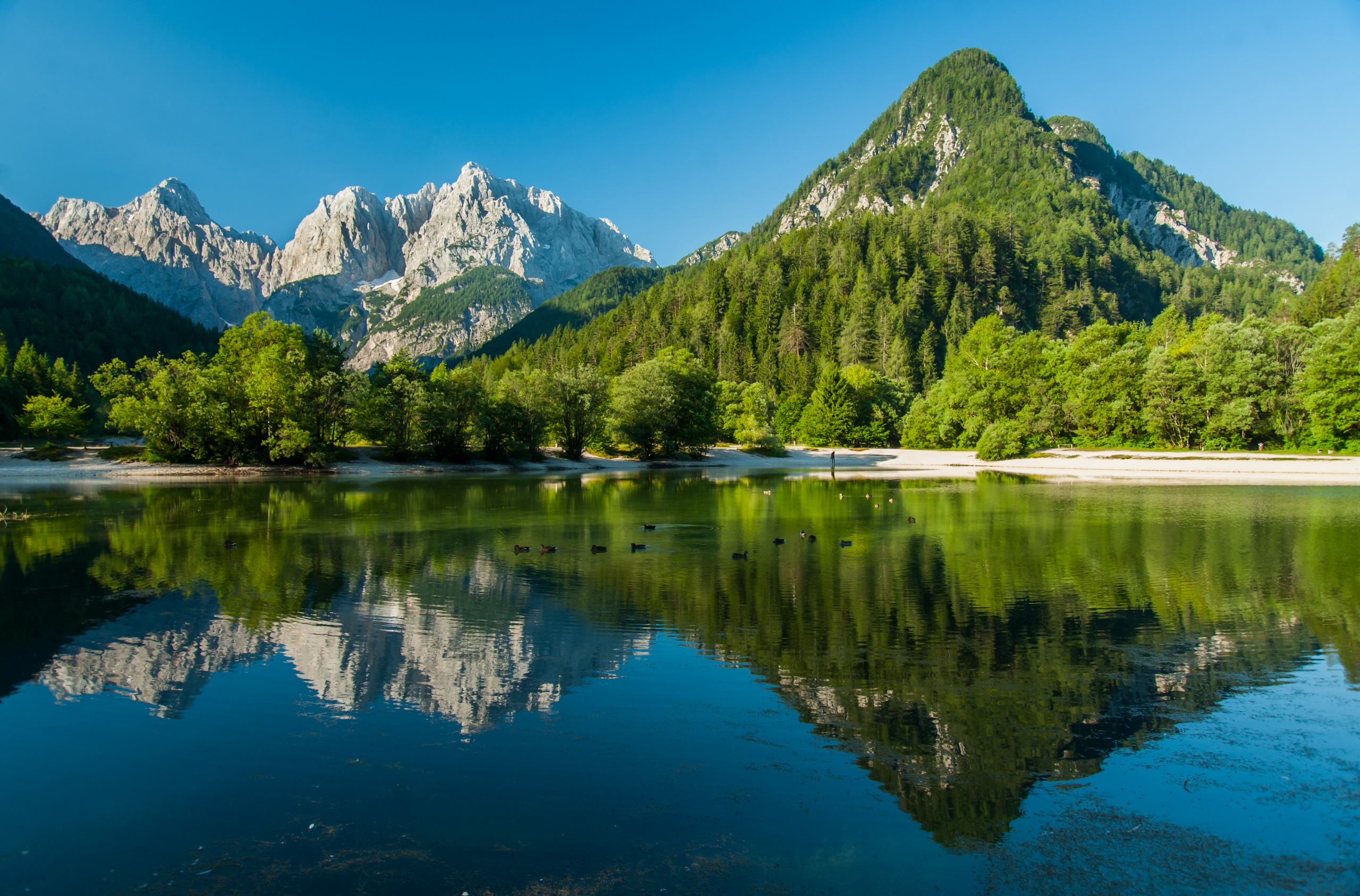
Between November and April, the lake reaches its maximum level. The reflections of wooded hills on calm water and the presence of aquatic birds create a striking natural spectacle. Marked trails run along the shores for several kilometers.
The drained bottom in summer
In July-August, the lake almost completely disappears. You can then walk on the bottom, observe karst sinkholes and natural channels. This lunar landscape, unique in Europe, attracts geologists and hikers.
Bird watching
The site is classified as a Ramsar zone and Natura 2000 site. During spring and autumn migration passages, thousands of birds stop here. Observation points are set up along the shores.
The Notranjska Museum in Cerknica
The Notranjski muzej presents the natural and human history of the lake, with scale models illustrating the karst hydrological cycle. A good introduction before exploring the site.
Photography tips
Morning light is ideal for photographing the full lake, with morning mists on the water. In summer, sunset over the drained bottom creates interesting contrasts. A telephoto lens is useful for birds. From Slivnica hill, which overlooks the lake, you get an overview of the entire depression.
Location and access
Cerknica is located in the Notranjska region, about 50 km southwest of Ljubljana. A car is the most practical means of travel. Buses connect Ljubljana to Cerknica, but schedules are limited. The lake extends immediately east of the town. Slivnica hill (1,114 m) dominates the site to the northwest and is accessible on foot from Cerknica.
Nearby attractions
- Postojna Caves — The largest karst cave network in Slovénie, about 20 km to the west.
- Predjama Castle — Medieval fortress built into a karst cliff, near Postojna.
- Notranjska Regional Park — Lake Cerknica is its heart; the park encompasses forests, peatlands, and traditional villages.
- Lake Pivka — Another nearby intermittent karst lake, less well-known and more wild.
Frequently asked questions
The lake reaches its maximum level between November and April, after autumn rains and snowmelt. Spring is particularly spectacular for combining a full lake with observation of migratory birds.
Yes. In summer, the lake is often drained or very low. You can then walk on the karst bottom, observe sinkholes and flowering meadows. It's a unique geological experience, different but equally interesting.
Yes. The marked trails around the lake are flat and accessible. The Notranjska Museum offers educational materials for children to understand the karst phenomenon.
Easily. The two sites are about 20 km apart. A day is enough to visit the caves in the morning and explore the lake shores in the afternoon.
When the lake is full, fishing and kayaking are practiced locally. Check with the Cerknica tourism office for available providers depending on the season.
Want to discover this destination?
Our local advisors design your tailor-made trip.