Karst and Istrian Coast
Between underground canyons of the karst plateau and 46 kilometres of Venetian coastline, a compact region that brings together UNESCO-listed caves, Lipizzan studs and working salt pans.
Southwestern Slovénie brings together two worlds that converge within less than an hour's drive: the karst plateau, a limestone platform covered with pubescent oaks and black pines, and the Istrian coast, a 46-kilometre Mediterranean strip between Koper and the Gulf of Piran. Here, stone gave its name to a geological phenomenon recognised worldwide. The word "karst" comes from the Slovénie Kras, and the rivers that disappear underground only to reappear several kilometres later are the landscape's defining signature.
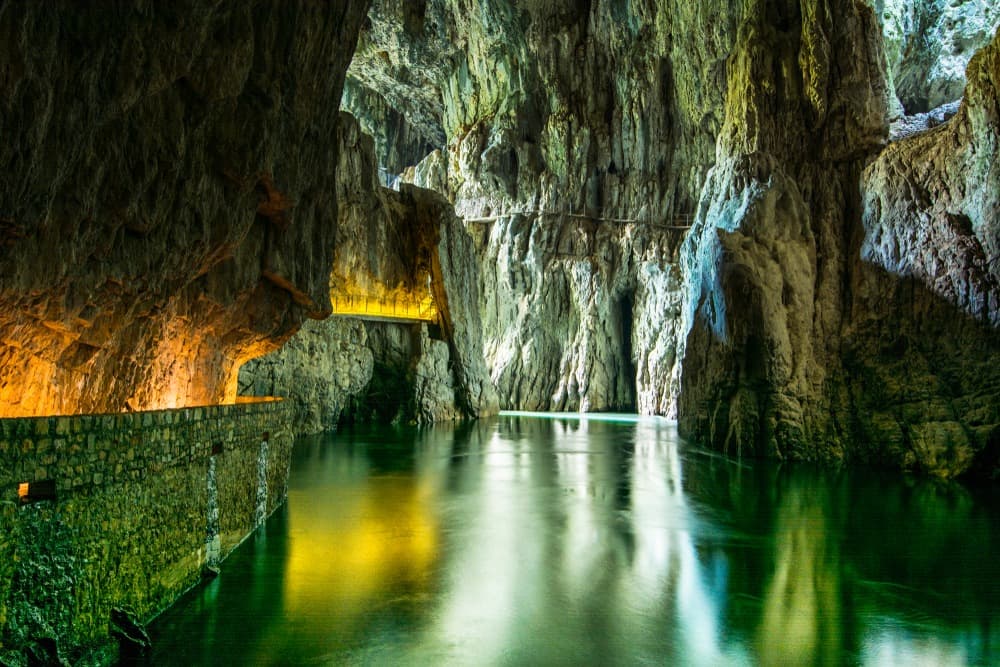
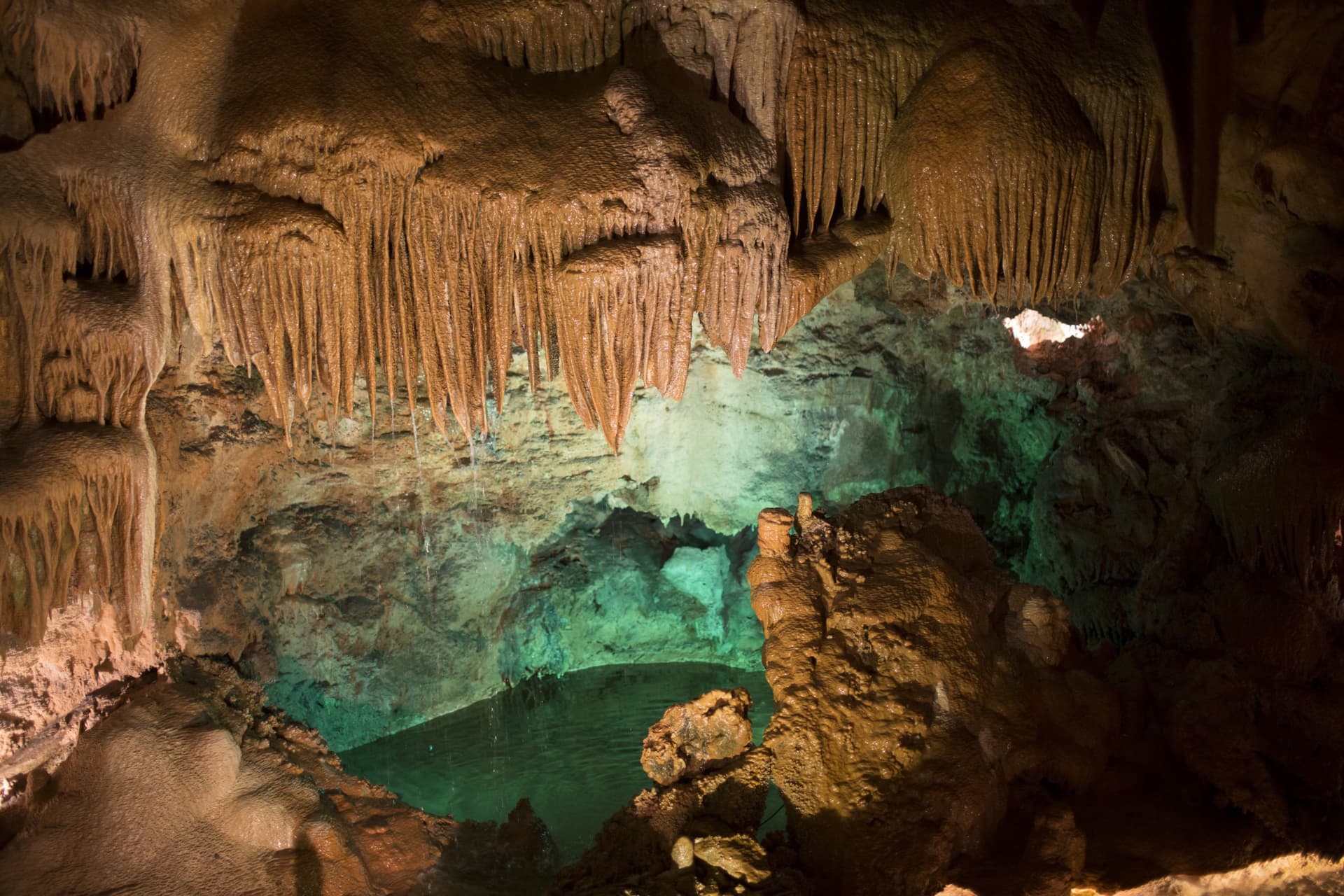
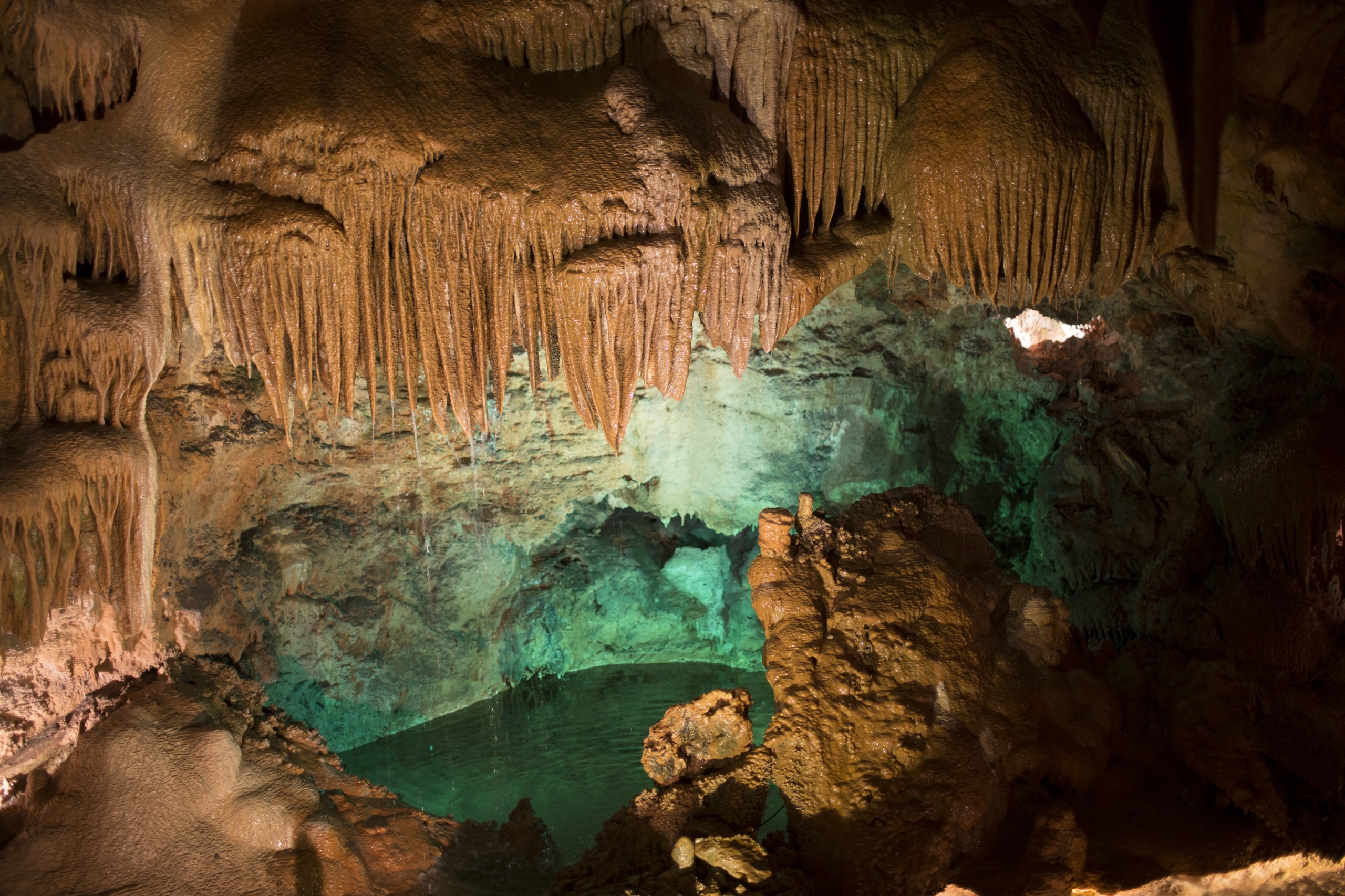
Two major underground systems frame the region. Postojna unrolls 24 kilometres of galleries, traversed over 3.5 kilometres by small electric train since 1872, reaching the chamber where proteus salamanders—blind amphibians endemic to karst waters—make their home. Škocjan, UNESCO-listed since 1986, follows a different logic: the Reka river plunges into an underground canyon whose ceiling rises 140 metres above the water, crossed by a suspended footbridge. We guide geology-minded travellers towards Škocjan, those travelling with young children towards Postojna.
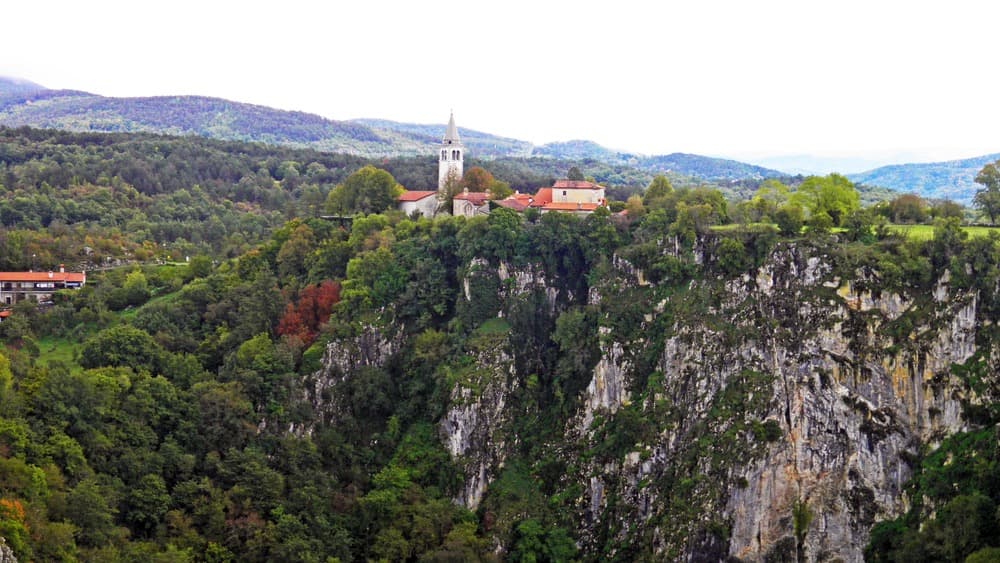
The Karst plateau also reveals itself at surface level, through its dry stone villages and wine estates. Štanjel, perched on a hilltop, preserves a Renaissance castle and the Ferrari garden laid out in the 1920s. Further west, the villages of Komen, Dutovlje and Tomaj cultivate refošk, a dark-hued red varietal that traditionally accompanies Karst pršut—cured ham dried by the bora, the north-easterly wind that regularly exceeds 150 km/h in winter. At Lipica, two kilometres from the Italian border, the stud farm founded in 1580 by Archduke Charles II continues to raise Lipizzan horses destined for the Spanish Riding School in Vienna. Visits to the stables and equestrian demonstrations are by reservation.
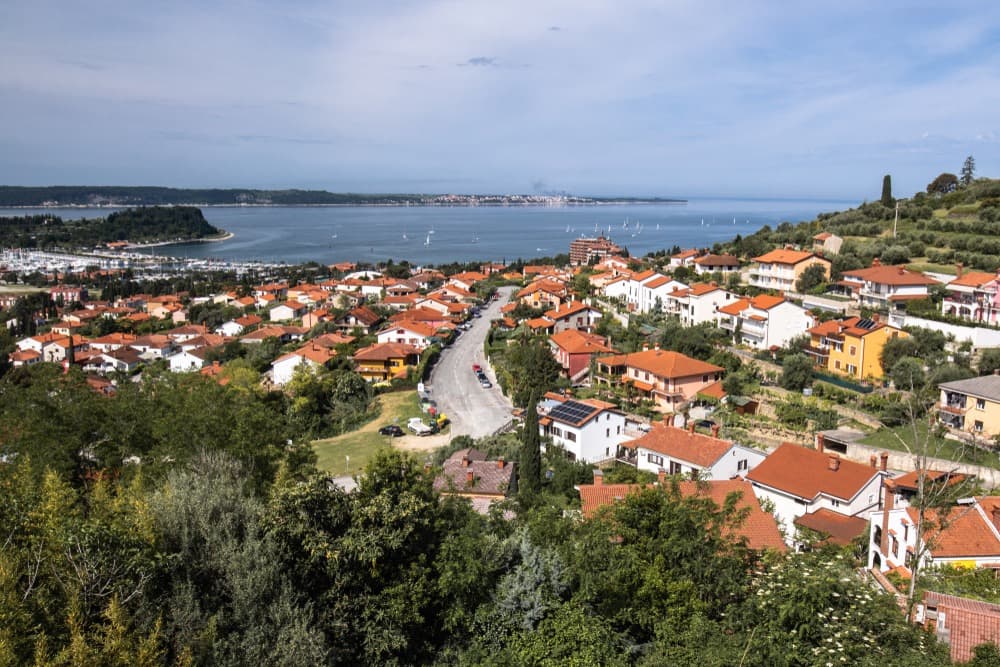
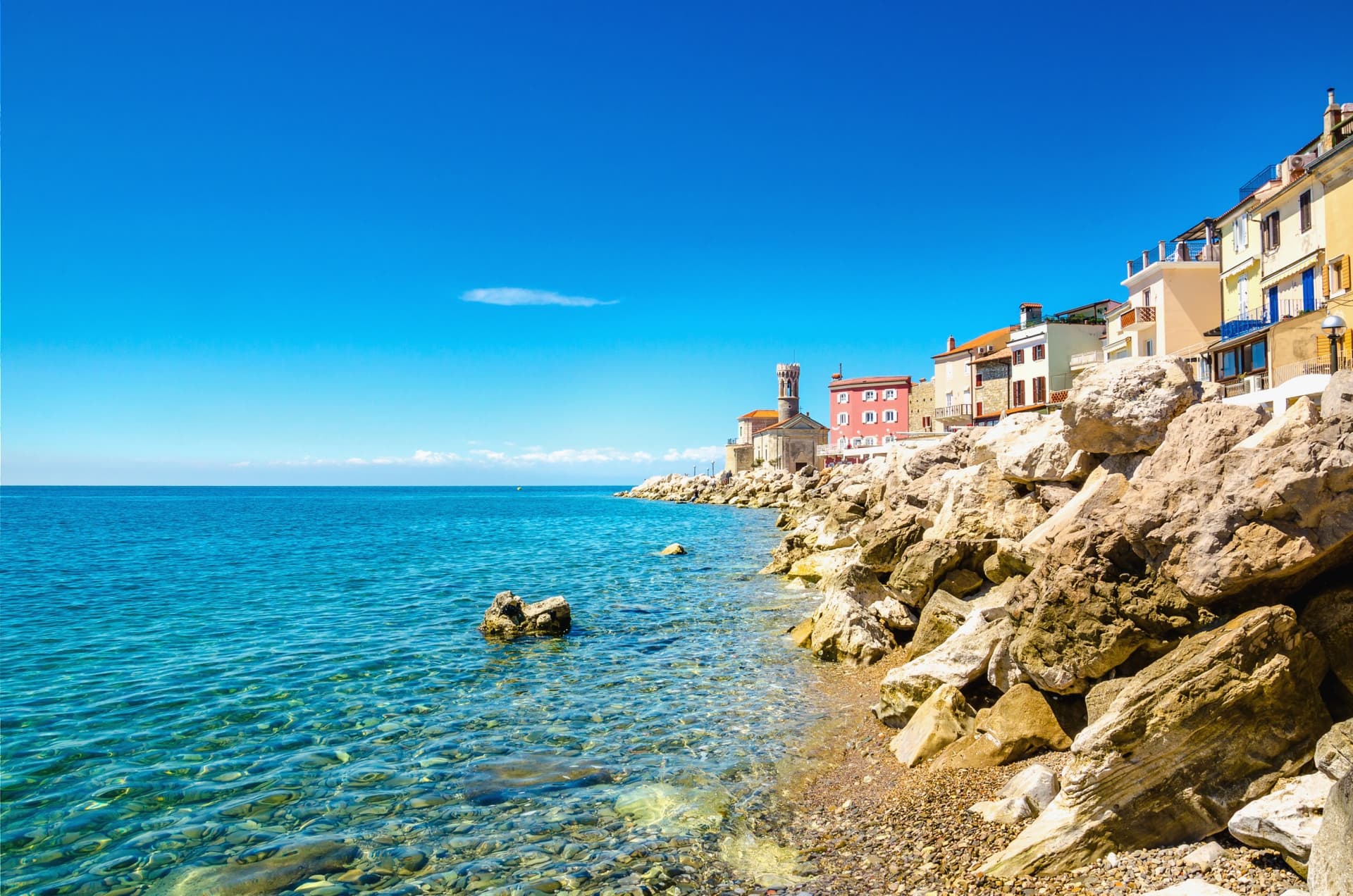
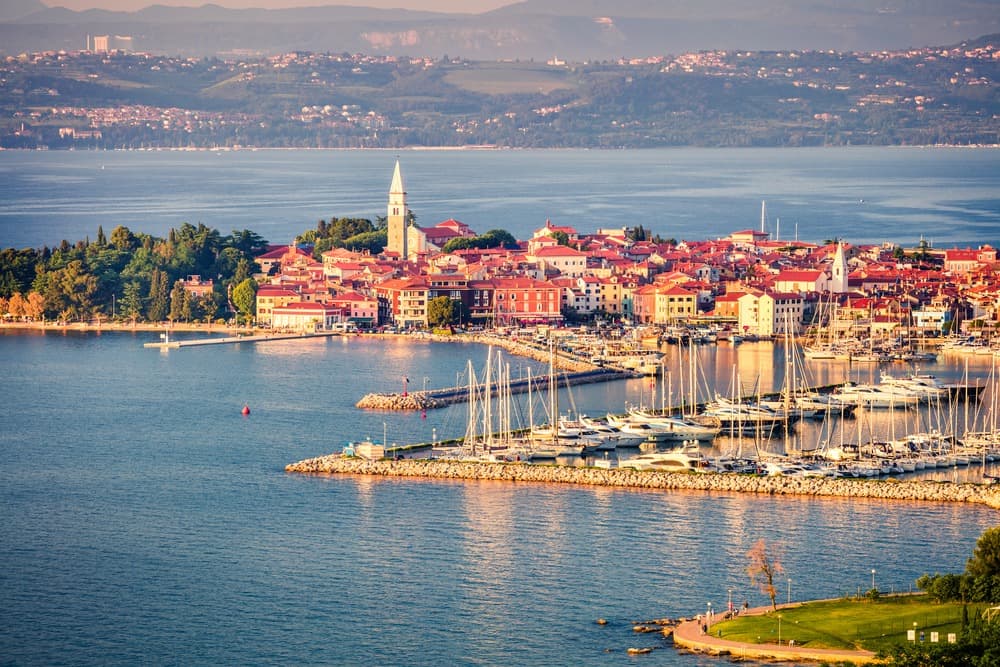
The coast begins at Koper, a former Venetian port whose Tito Square preserves the 15th-century Praetorian Palace and the Cathedral of the Assumption. Izola, more modest, still lives from its fishing fleet. Piran, at the peninsula's tip, is the historical heart of Slovénie's Istria: streets less than two metres wide, white limestone facades, the oval Tartini Square built over the former inner harbour filled in 1894. The city belonged to the Venetian Republic for five centuries, evident in its architecture and language—Italian remaining official along the entire coast.
South of Piran, the Sečovlje salt pans occupy 750 hectares within the nature park of the same name. Salt is harvested by hand from June to September using a medieval method, fleur de sel gathered with a net from basins covered in petola, a biological layer of algae and minerals. The surrounding marshes shelter over 290 bird species, including flamingos regularly observed in autumn. At the park's far edge, a few hundred metres from the Croatian border, the climate becomes distinctly Mediterranean: olive groves, fig trees, oleanders.
Our team in Ljubljana works this region as a bridge between the Alps and the Adriatic. The density of experiences across compact territory—approximately 80 kilometres between the Škocjan caves and Piran—makes it a natural stopover that combines seamlessly with the rest of the country without requiring lengthy transfers.
To discover
Škocjan underground canyon. Descent via suspended footbridge 45 metres above the Reka, through a gallery whose ceiling reaches 140 metres. The roar of water is heard long before the bridge comes into view.
Evening in Piran outside the season. The peninsula's streets empty after 7pm in April or October. Dine on grilled squid and Malvasia by the quayside, then climb to St George's Church for views across the Gulf of Trieste.
Sečovlje salt pans in action. Salt harvest using wooden shovels on the Lera and Fontanigge basins, June to September. The salt workers begin at dawn before the wind rises.
Tasting at a Kras winemaker. Family winery in Tomaj or Dutovlje, tasting teran and refošk accompanied by pršut aged 18 months in the bora and ewe's cheese from the plateau.
Lipica stud farm. Visit the stables where Lipizzans have been born since 1580. Classical dressage demonstrations on Tuesday, Friday and Sunday from April to October.
When to visit
The region is comfortably visited from mid-April to late October. May and June offer the most balanced conditions: 22 to 26°C on the coast, sea still cool at 19-21°C, karst plateau temperate around 20°C, and coastal villages relatively uncrowded. July and August reach 28-30°C on the coast with peaks at 33°C, the sea reaches 24 to 26°C, but Piran and Portorož fill with Italian and Austrian visitors. We then recommend staying in the Karst hinterland, 3 to 5°C cooler, and descending to the coast early morning. September remains our favourite month: water still at 22°C until mid-October, vintage season on the plateau, low-angle light on the salt pans.
From November to March, the coast remains mild, 8 to 12°C during the day, but the bora can blow three to five days in a row at over 100 km/h, making walks across the plateau uncomfortable. Caves can be visited year-round, their stable interior temperature of 12°C becoming pleasant in summer and requiring a jacket in winter. Some Piran restaurants close from mid-November to mid-March.
Practical advice
We recommend 2 to 3 days on site to cover the essentials without rushing: one day for the caves (Škocjan or Postojna) and Lipica, one day for the coast from Koper to Piran and the Sečovlje salt pans, and possibly a half-day for the Karst wine villages. The logical entry point is Ljubljana, 1 hour 15 minutes by road from Postojna and 1 hour 45 minutes from Piran via the A1 motorway. Trieste airport in Italy is also 1 hour from Piran and serves as a relevant gateway for travellers combining Slovénie with Veneto.
The region naturally connects with the Soča Valley and Goriška to the north-west, accessible in 2 hours via the scenic Vipava road, and with Ljubljana and the centre to close the circuit. Combined with the Julian Alps, it offers the country's most striking landscape contrast: high mountains and the Adriatic within less than three hours' drive. Hotel comfort is good, with several boutique hotels set in Karst stone houses and seaside establishments in Piran. The region suits couples, families with children from age 5 (caves, stud farm, beaches), and travellers interested in gastronomy, wine and Venetian history.