Štajerska and Prekmurje
Continental eastern Slovénie: Maribor and Jerusalem vineyards, the Roman city of Ptuj, the Pannonian plain of Prekmurje and thermal springs beyond the Mura.
Štajerska and Prekmurje form the northeast quarter of Slovénie, where Alpine foothills fade into wine-covered hills and then open into the vast Pannonian plain. Our team in Ljubljana regularly sends travelers to this region at the end of their itinerary, after the Alps or the Karst, because it offers a rhythm and landscapes found nowhere else in the country: vineyards aligned on the ridges of Jerusalem, low farmhouses with reconstructed thatched roofs near Filovci, the meandering Mura and Drava bordered by alluvial forests.
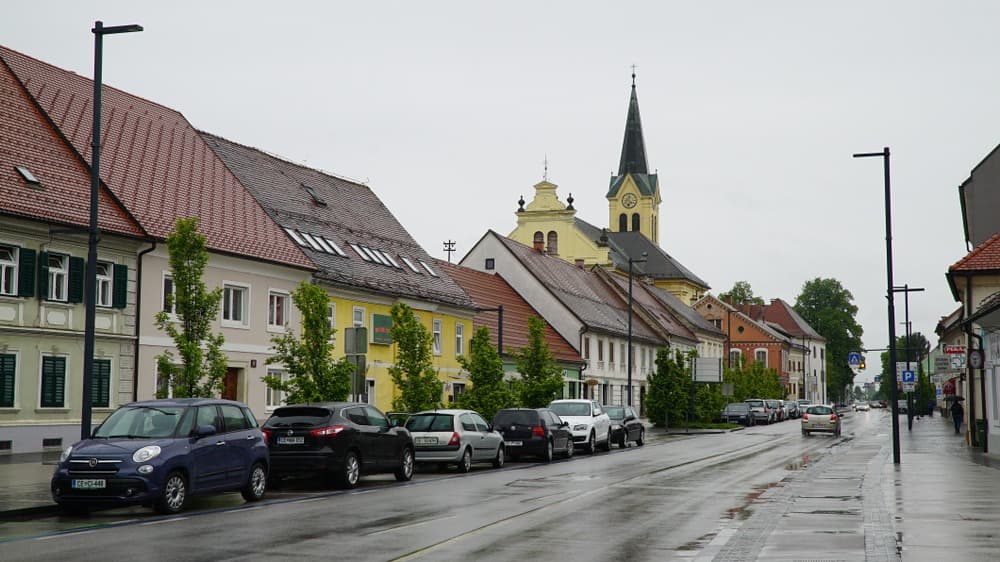
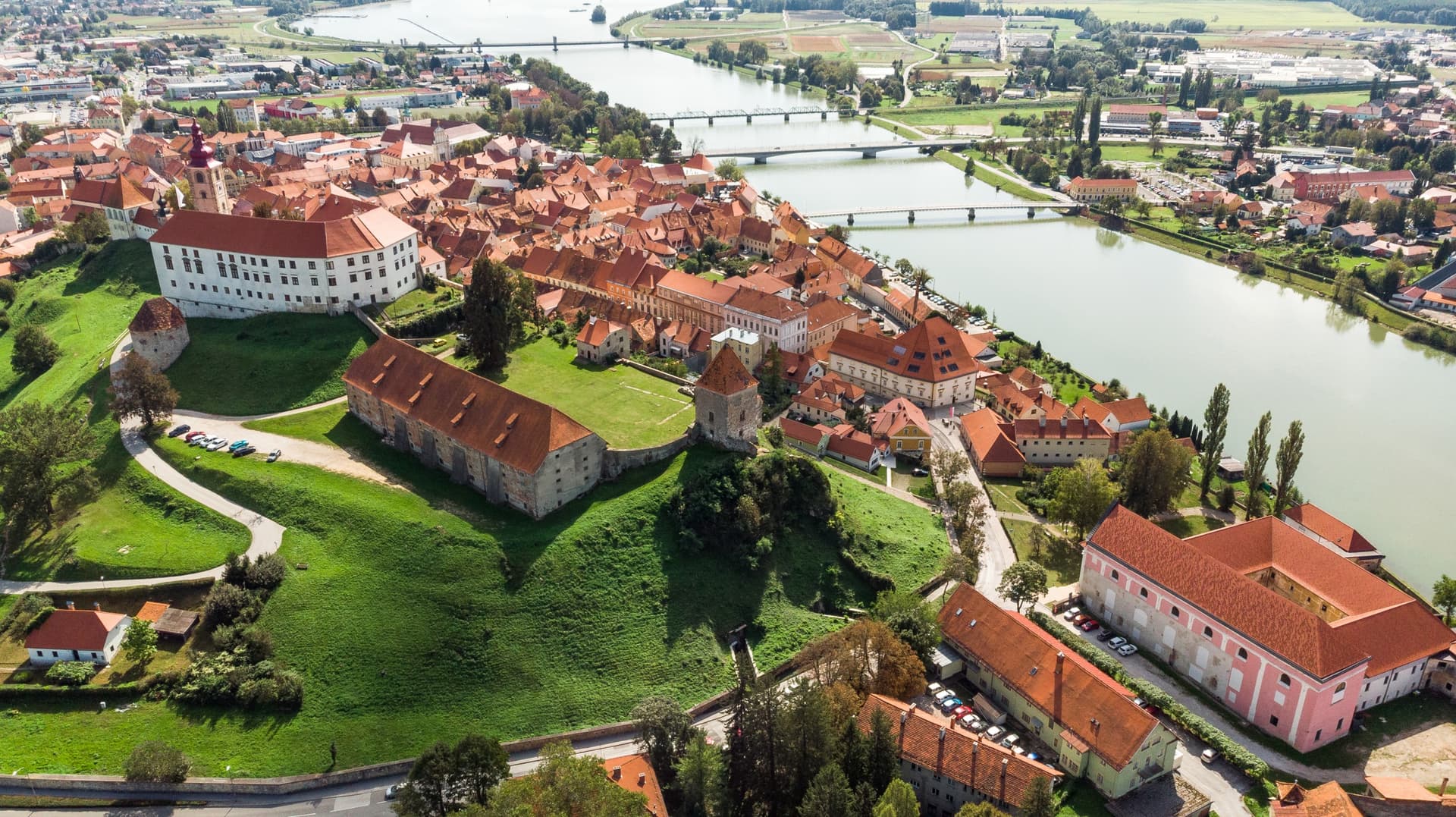
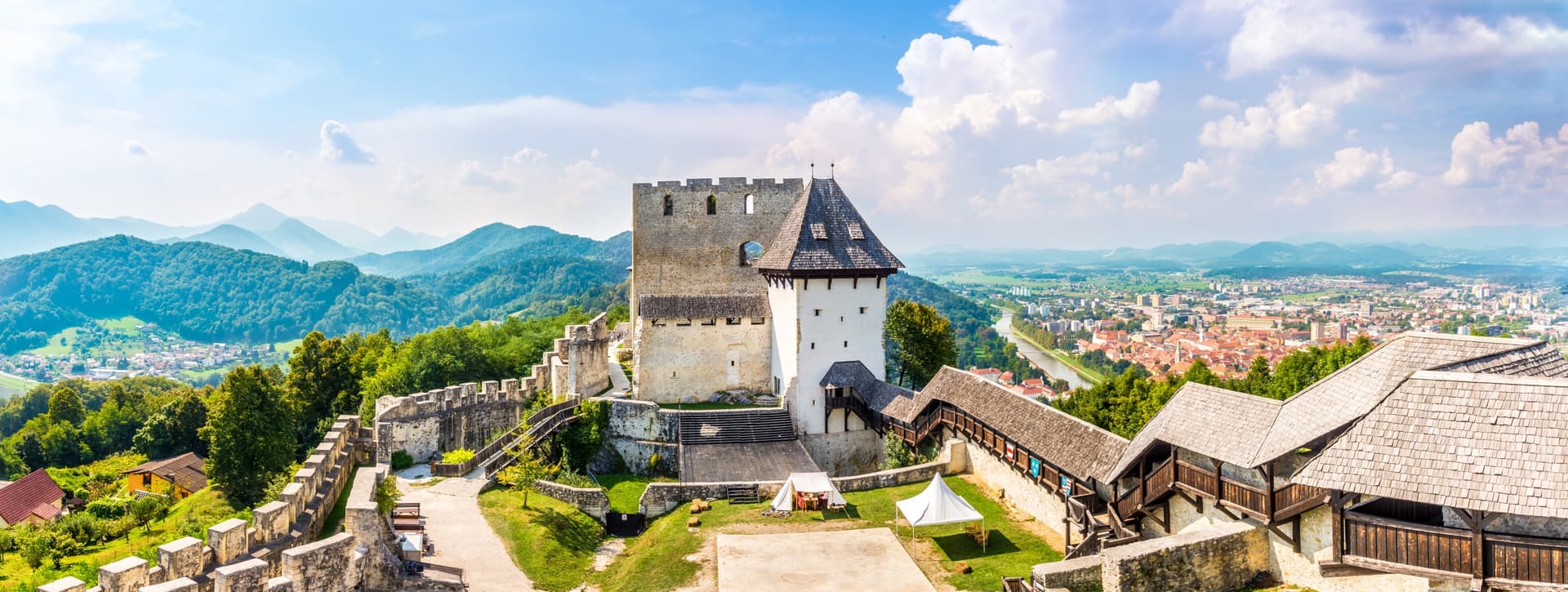
Maribor, the country's second city, serves as the gateway. Positioned on the Drava at the foot of the forested Pohorje massif, it houses on its Lent waterfront a žametovka vine documented since the seventeenth century, identified as the oldest productive vine still in place anywhere in the world. The city remains understated, collegiate, and lively around its covered market and urban wine cellars. Half an hour's drive away, Ptuj reaches further back in time: founded by the Romans as Poetovio, it is the oldest attested city in Slovénie. Its castle overlooks the Drava and holds a collection of musical instruments and carnival masks. Each year, in the ten days before Fat Tuesday, Kurentovanje takes over the streets: the Kurenti, men dressed in sheepskin, crowned with horns and laden with bronze bells, tour the villages to chase away winter. The practice has been inscribed on UNESCO's intangible cultural heritage list since 2017.
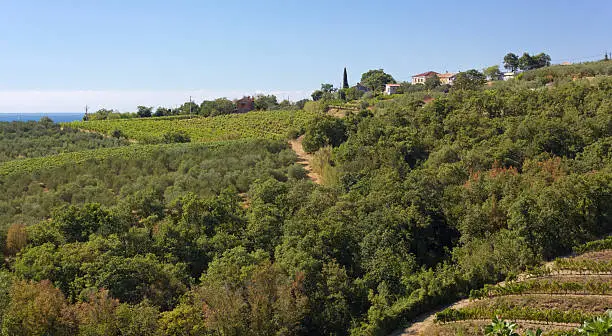
Northeast of Ptuj begins wine country. Jerusalem, Ljutomer, Ormož: the road winds along the crests, with views over rows of vines planted along the slopes. Production focuses mainly on dry whites—šipon (the local furmint), riesling, sauvignon—and one stops for lunch in a turistična kmetija, a family farm-inn, around a bograč, a three-meat stew inherited from the Hungarian border. Cellars can be visited without complicated appointments, provided you give notice the day before, which our team handles.
Further east, after crossing the Mura, you enter Prekmurje, literally "beyond the Mura." It is the least Slovene Slovenia: Pannonian plain, strong Hungarian influences, a Hungarian-speaking minority around Lendava, storks nesting on electrical poles from April to August. The reconstructed floating mills on the Mura, notably at Ižakovci, recall that in the nineteenth century over a hundred mills still ground grain on the river. The cuisine changes: bétyár or prekmurska gibanica, a four-layer cake (poppy seed, walnut, apple, white cheese) served in nearly every inn. The thermal springs at Moravske Toplice and Radenci exploit hot black mineral-rich water, used since the 1960s by Slovenes for long wellness weekends.
The climate is distinctly continental, with no maritime influence or Alpine moderation. Summers are hot, 28 to 30°C in July-August, sometimes higher on the plain, with dry thunderstorms at day's end. Winters regularly drop below freezing, around -3°C on average in January, with persistent fog in the Mura plain. The harvest, from late September to mid-October, is the best period along with late spring. The region remains very rarely visited by English-speaking travelers, which explains moderate hotel rates and personalized hospitality on farms.
To discover
Kurentovanje in Ptuj in February. A pre-Lent carnival where hundreds of Kurenti in sheepskin and bronze bells parade through the old Roman town. Inscribed on UNESCO's list, it is the only time of year when the full ritual is seen.
Jerusalem vineyards route. About thirty kilometers of crests between Ormož and Ljutomer, dotted with family cellars and farm-inns. The šipon whites are tasted with a bograč simmered for three hours.
Maribor's old vine. A žametovka root planted over 400 years ago against the facade of a house in the Lent district, still pruned and harvested each autumn. The adjoining cellar tells the story of viticulture on the Drava.
The Prekmurje plain and Mura mills. Beyond the river, villages with long houses, storks nesting from April to August, reconstructed floating mills at Ižakovci. Hungarian influence felt in the cuisine and language around Lendava.
Moravske Toplice thermal springs. Black thermal water at 72°C at source, exploited for bathing since 1960. A classic recovery stop at the end of an itinerary, with accommodation in bungalows or a spa hotel.
When to go
The best window runs from late April to mid-June and again from early September to mid-October. In spring, temperatures hover between 15 and 22°C, the vineyards turn green and storks return to Prekmurje. Autumn, more stable, coincides with the harvest: days at 18-22°C, cool nights, and soft light on the Jerusalem hills. July and August are hot, 28 to 30°C on the plain, sometimes 33-34°C, with evening thunderstorms; bearable but less pleasant for long tastings.
February is justified only for the Ptuj Kurenti carnival, provided you accept -2 to 4°C and the risk of snow. From mid-November to mid-March, the Mura plain is covered in persistent fog that may not lift all day, making driving slow and limiting visibility of the landscapes. The Pohorje, above Maribor, receives enough snow for skiing from December to February, but this is not the primary draw to the region.
Practical advice
We recommend 2 to 3 nights to tour the region without rushing: one night in Maribor or Ptuj for the old town and the vine, one night in a farm-inn in the Jerusalem hills, possibly a third in Prekmurje for the thermal springs and plain villages. Arrival is by car from Ljubljana (motorway, 1h45 to Maribor) or direct train. Graz airport in Austria is 70 km from Maribor and can serve as an entry or exit point for an open itinerary.
The most natural combination is at the end of a circuit, after the Julian Alps and Ljubljana, before heading to Vienna or Budapest. The region pairs poorly with the Istrian coast on a short trip: the two are at opposite ends of the country. Comfort is adequate, 3 and 4-star hotels in Maribor and thermal complexes, simple but clean guestrooms on wine farms. This region suits contemplative travelers, wine and regional cuisine enthusiasts, families seeking a slow pace with thermal pools. Pure hikers and those seeking spectacular landscapes will prefer the Alps or the Soča valley.