Practical information Slovenia
Slovenia has been a member of the European Union and the Schengen area since 2007, and of the eurozone since the same year. For French, Belgian and Swiss nationals, a valid identity card or passport is sufficient, with no visa required for tourist stays of less than 90 days. No vaccinations are mandatory; we simply recommend staying up to date with DTP and planning tick protection if you hike in Triglav National Park between April and October, as tick-borne encephalitis is present in forested areas. Budget-wise, plan for 90 to 140 euros per day per person in mid-range comfort, excluding international flights: a meal in a family gostilna costs around 15-22 euros, a night in a 3-star hotel between 80 and 130 euros, a coffee in Ljubljana 2 euros. The climate varies significantly by region: continental inland, Mediterranean on the coast, alpine at altitude. Transport is reliable, the motorway network is dense (vignette required, 16 euros/week), distances remain short (Ljubljana-Piran in 1h30, Ljubljana-Maribor in 1h45). The train is useful for Ljubljana-Bled-Bohinj, but a car remains the most flexible option for combining the Alps, karst and coast. Safety is excellent, the country ranks among the ten safest in the world. Louis and our English-speaking team in Ljubljana remain available 7 days a week during your stay to answer your questions and adjust your itinerary according to weather or your preferences.
Plan your trip by theme
Explore our practical guides organized by category to quickly find the information you need.
Before You Go
Valid ID card or passport, no visa required for EU nationals, travel insurance recommended and European health insurance card.
2 articles
Budget Currency
Euro currency, widespread card payments, fee-free withdrawals in the eurozone, budget range of €90 to €140 per day per person.
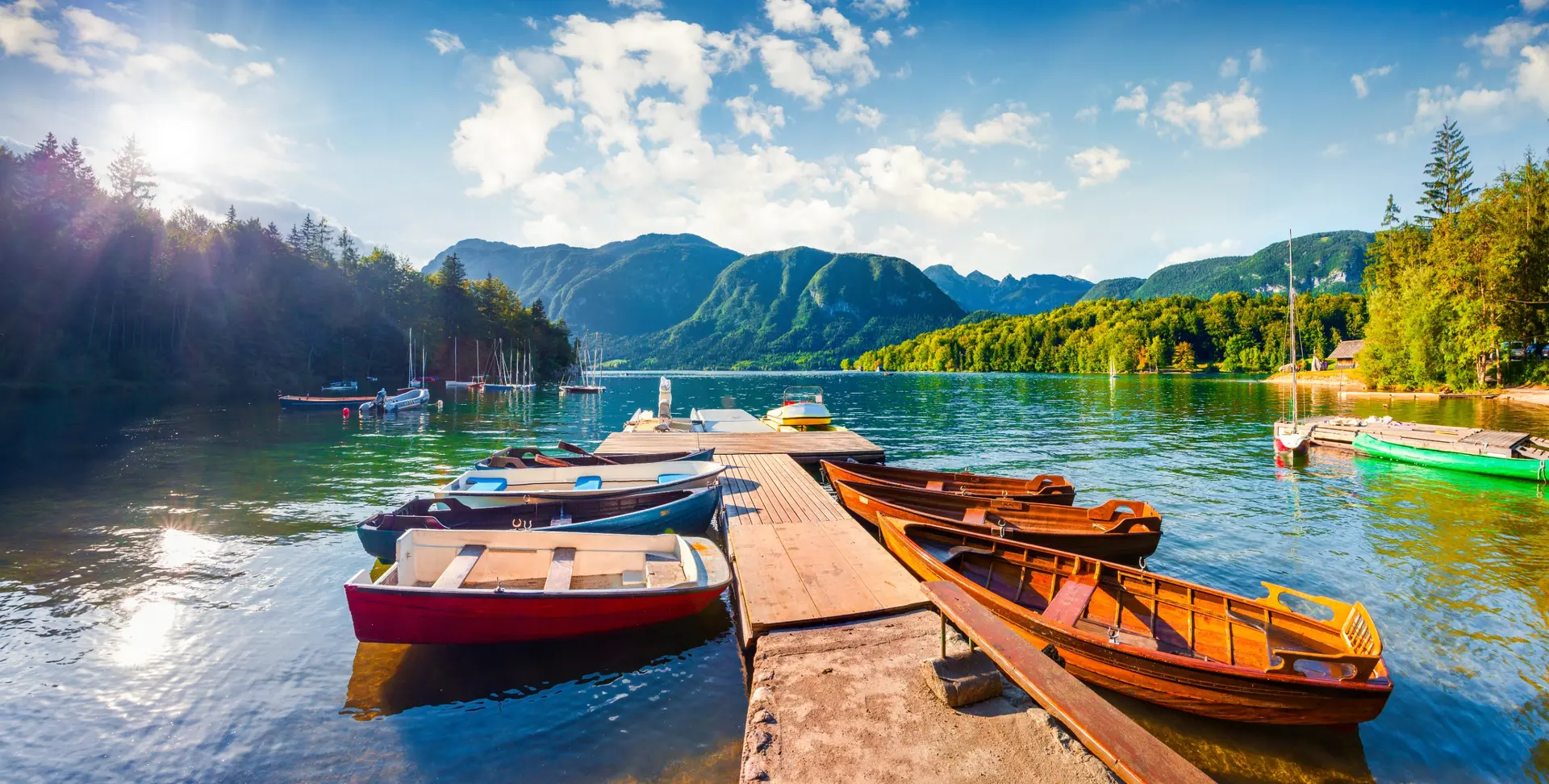
Climate Season
Continental inland, Mediterranean on the coast, Alpine at altitude, ideal from May to October with a summer peak in July-August.
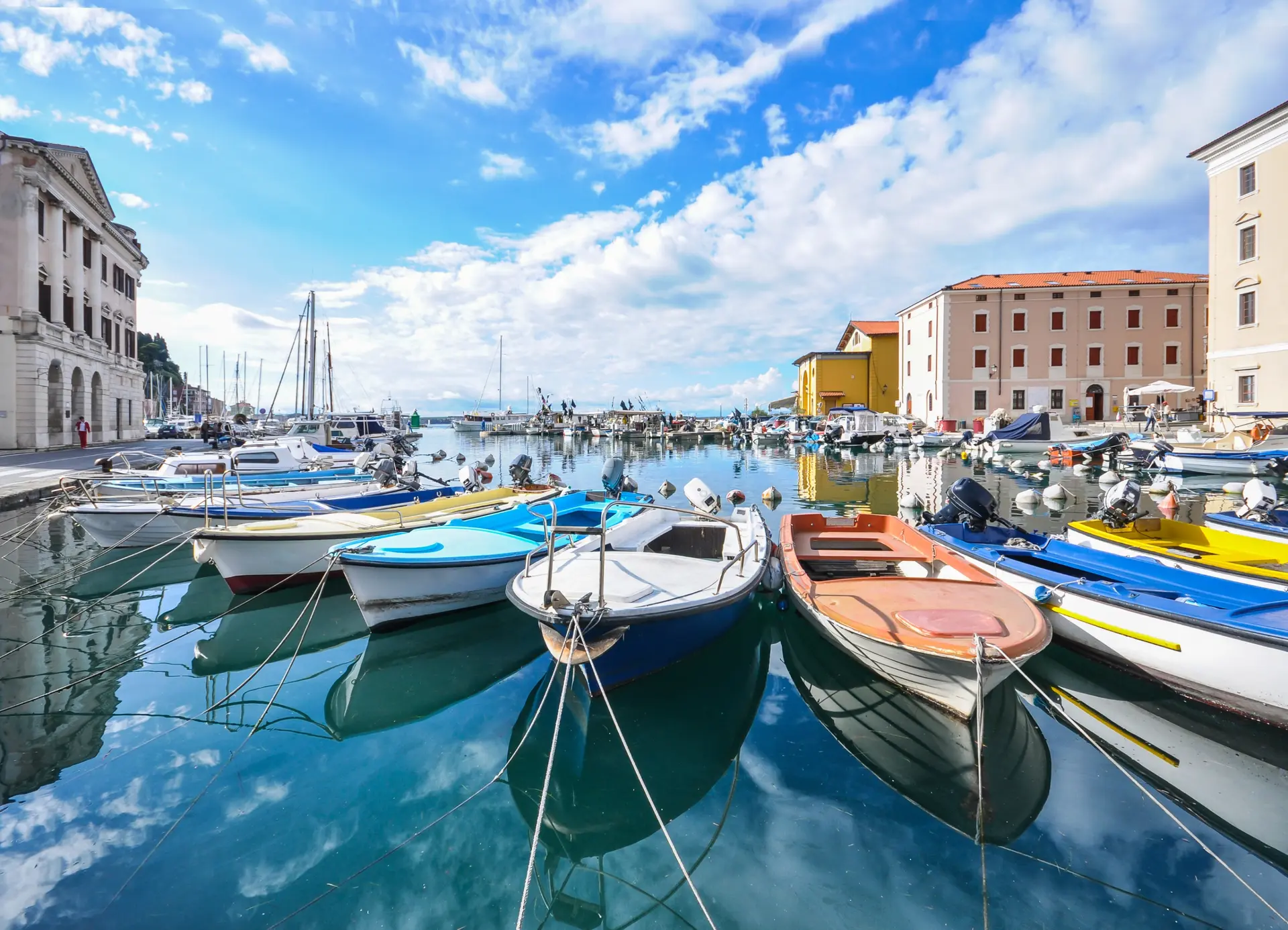
Transports
Recommended car to combine regions, highway vignette required, reliable trains on major routes, short distances.
1 article
Culture
Reserved politeness, gradual use of informal address, 10% tip appreciated, respect for mountain trails and silence in churches.
1 article
Useful Tips
Tap water is safe to drink everywhere, type F electrical outlets, high-speed 4G, high security, on-call pharmacies listed in every city.
1 articleAll practical guides
Search and filter among 5 articles
5 of 5 results
Frequently asked questions
The answers to the most frequently asked questions from our travellers.
No. Slovenia is a member of the European Union and the Schengen area. For French, Belgian, Swiss and Luxembourgish nationals, a valid national identity card or passport is sufficient for tourist stays of less than 90 days. No prior formalities are required. For other non-EU nationalities, a short-stay Schengen visa may be required, to be requested from the Slovenian embassy or from a Schengen country representative. Make sure your travel document covers the entire planned duration of your stay. If you are traveling with minor children, a copy of your family record book may be useful in case of a check, though it is not strictly mandatory.
No vaccination is mandatory to enter Slovenia. However, we recommend staying up to date with standard vaccinations: diphtheria, tetanus, poliomyelitis, pertussis, hepatitis A and B. Vaccination against tick-borne encephalitis (TBE) may be considered if you plan extended forest hikes between April and October, particularly in Triglav National Park and the Julian Alps. Ticks are present in wooded areas at low and medium altitudes. Wear protective clothing and check your skin after each outing. The European health insurance card provides access to public healthcare, but we advise supplementary travel insurance with repatriation coverage.
Budget around €90 to €140 per day per person in mid-range comfort, excluding international flights. In detail: a full meal at a family gostilna costs €15-22, a more elaborate menu in Ljubljana or Piran around €30-40. A night in a 3-star hotel ranges from €80 to €130 for a double room, a rural guesthouse between €55 and €80. Count €35 for a combined entrance ticket to Postojna Caves and Predjama Castle, €20 for Bled and the island. Renting a compact car costs €35-50 per day, motorway vignette included for a week at €16. Budget increases in July-August on the coast and at Bled.
From late May to mid-October for a well-balanced trip combining mountains, cities and coast. May and June offer alpine vegetation in full bloom, rivers swollen by snowmelt (ideal for rafting on the Soča) and moderate crowds. July and August remain the warmest months, around 28°C in Ljubljana and 30°C in Piran, but also the most crowded around Bled and on the coast. September is our favourite season: pleasantly mild temperatures, golden light, grape harvests in Štajerska and the Vipava Valley. Winter suits spa stays and skiing (Kranjska Gora, Vogel), with Ljubljana dressed in Christmas market festivities in December.
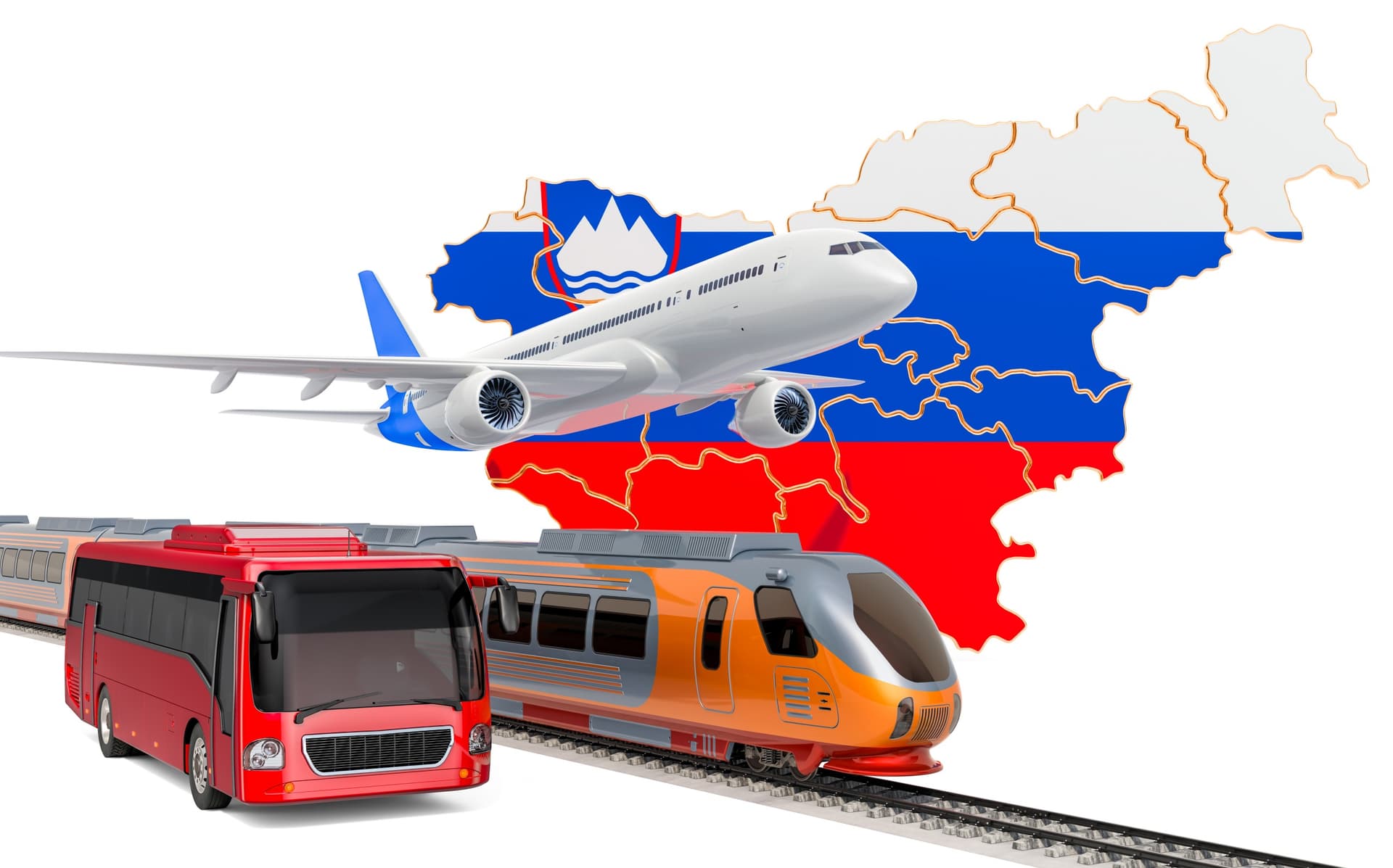
A car is the most flexible way to combine the Alps, the karst and the coast, as the country is compact (less than 250 km from north to south). Highways require an electronic vignette (e-vignette, €16 for 7 days, €32 for 30 days), which must be purchased before taking the highway. The road network is in good condition, but alpine roads like Vršič Pass demand caution and remain closed from November to May. Trains efficiently connect Ljubljana to Bled, Bohinj, Maribor and Koper, at moderate fares (€10-15). Buses serve valleys that are less accessible by train. Ljubljana can be explored on foot or by bike, with the city centre being pedestrian.
Yes. Slovenia regularly ranks in the top 10 safest countries in the world according to the Global Peace Index. Petty crime is rare, even in Ljubljana, and travelers can move around peacefully day and night. Standard precautions are sufficient: keep an eye on your belongings in the tourist areas of Bled and Piran during peak season, don't leave anything visible in a parked car. In the mountains, risks are more related to the terrain: equip yourself properly for high-altitude hikes, check the weather forecast (storms are frequent in the late afternoon in summer) and inform someone of your itinerary. The European emergency number 112 works everywhere. Louis and our English-speaking team remain available 7 days a week during your stay.
Ready to travel to in Slovenia?
Discover our tailor-made itineraries, designed by our local team. Each route adapts to your pace, your preferences and your travel season.
See our toursWe use cookies to improve your experience and measure our site's audience. You can choose what you accept. Learn more.