The Numbers
·
- Population: 2,066,880 (1, 2018)
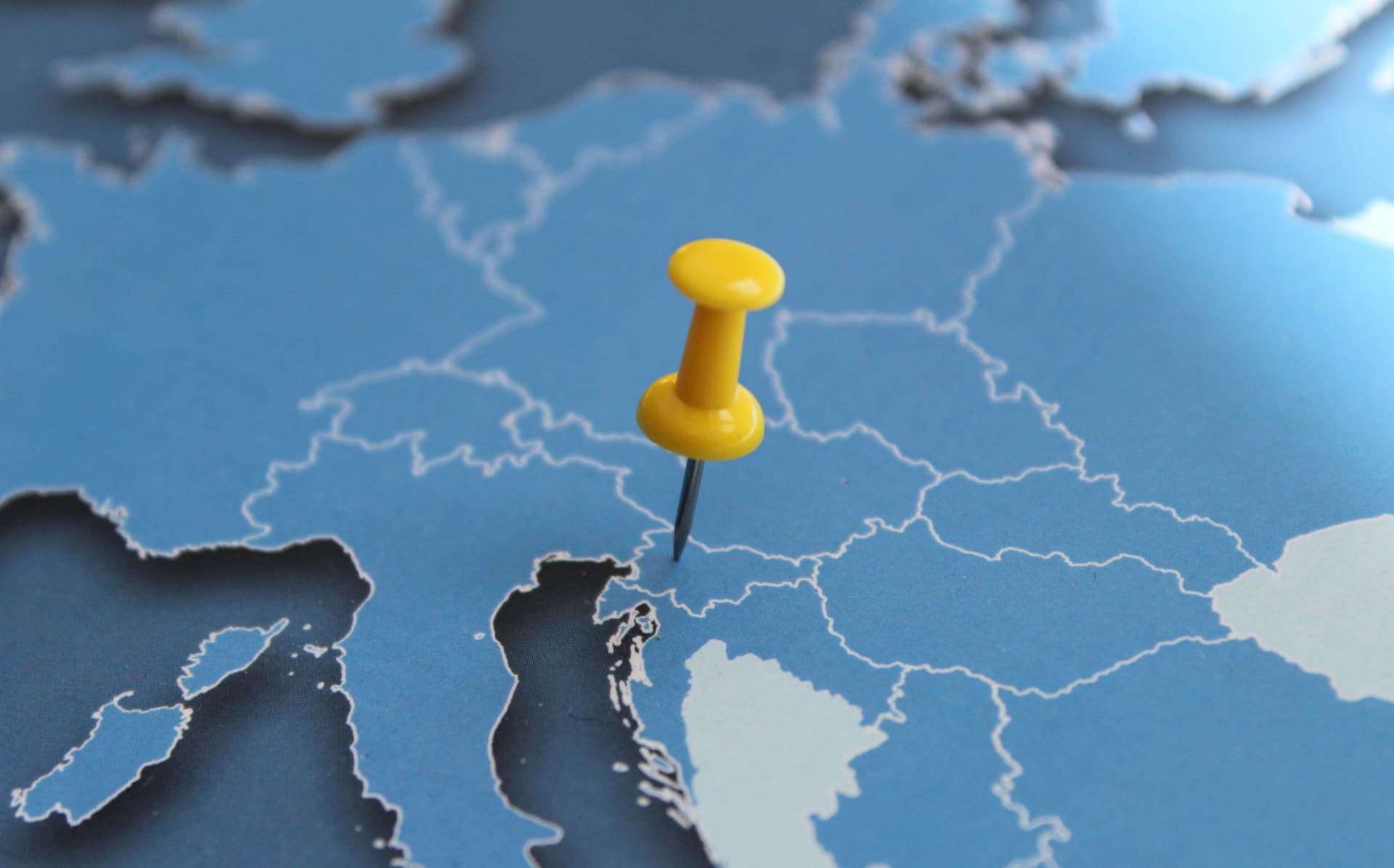
- Location: Central Europe
- Area: 20,273 km²
- Government: Slovenia is a democratic republic founded on the principle of separation of legislative, executive, and judicial powers.
- Capital: Ljubljana, 292,988 inhabitants (1, 2019)
- President: Borut Pahor
- Prime Minister: Marjan Šarec
- President of the National Assembly: Dejan Židan
- International Relations: Since May 1, 2004, Slovenia has been a member of the European Union, and since April 7, 2004, a member of NATO. It is also part of several other international organizations.
- Administrative Divisions: 58 administrative units, 212 municipalities.
- Other Major Cities: Maribor, Kranj, Celje, Koper, Novo Mesto, Velenje, Murska Sobota.
- Official Language: Slovenian, as well as Hungarian and Italian in areas of mixed nationalities.
- Religion: The majority of the population is Catholic; forty other religious communities have officially registered their activities.
- Currency: Euro (EUR), since January 1, 2007
- GDP per Capita: €22,182 (2018)
- Registered Unemployment Rate: 8.4% (2, 2019)
- Average Age of Population: 43.4 years (1, 2019)
- Life Expectancy: men 78 years, women 84 years
- Average Number of Children Born per Woman: 1.6
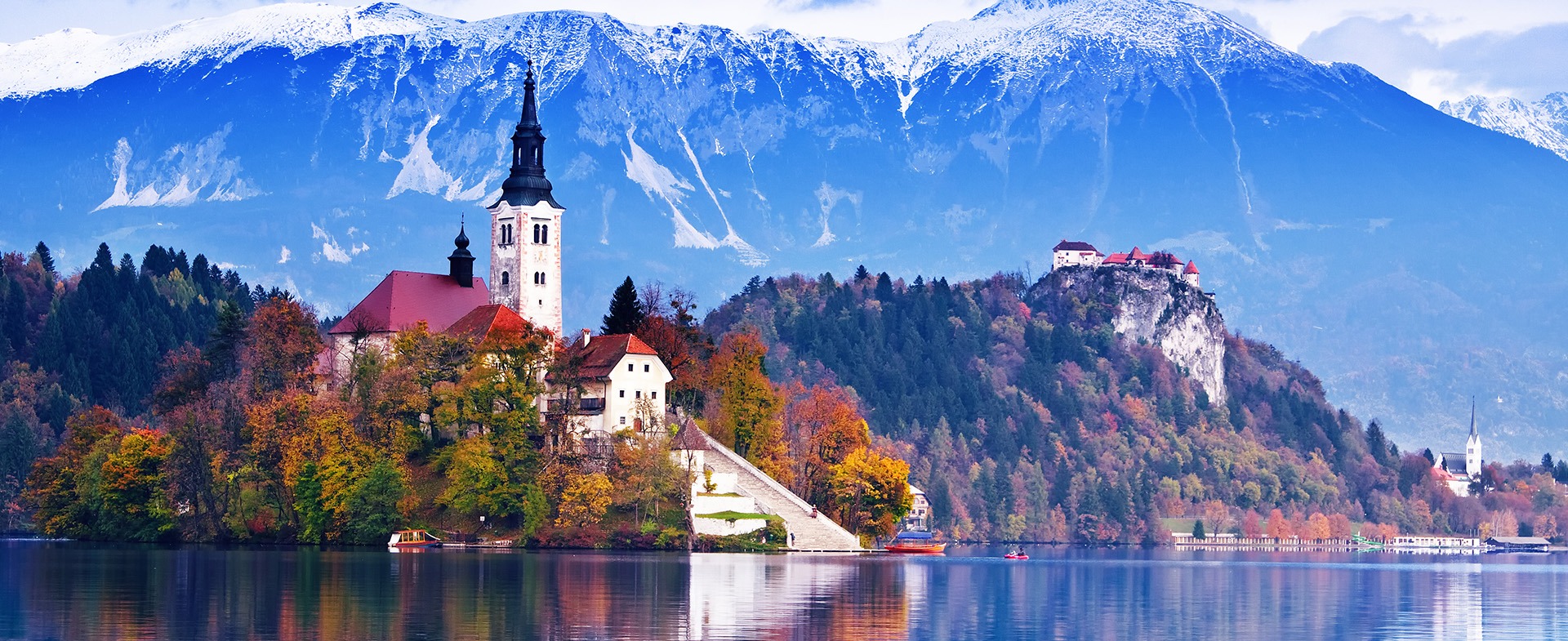
- Climate: Alpine, Pannonian, Mediterranean
- Time Zone: Central European Time, GMT + 1, summer GMT + 2
- Average Temperatures: July 21 °C, January 0 °C
- Electrical Voltage: 230 V
- Units of Measurement: Metric – meters, kilometers, grams, kilograms. Temperatures are expressed in degrees Celsius
- Border Lengths: with Austria 330 km, with Italy 280 km, with Hungary 102 km and with Croatia 670 km; 1,382 km total
- Coastline Length: 46.6 km
- Highest Peak: Triglav 2,864 m
- Geometric Center of Slovenia: Vače
- Average Altitude: 556.8 m
- Universities: Universities of Ljubljana, Maribor, and Primorska.