Predjama Castle
Predjama Castle
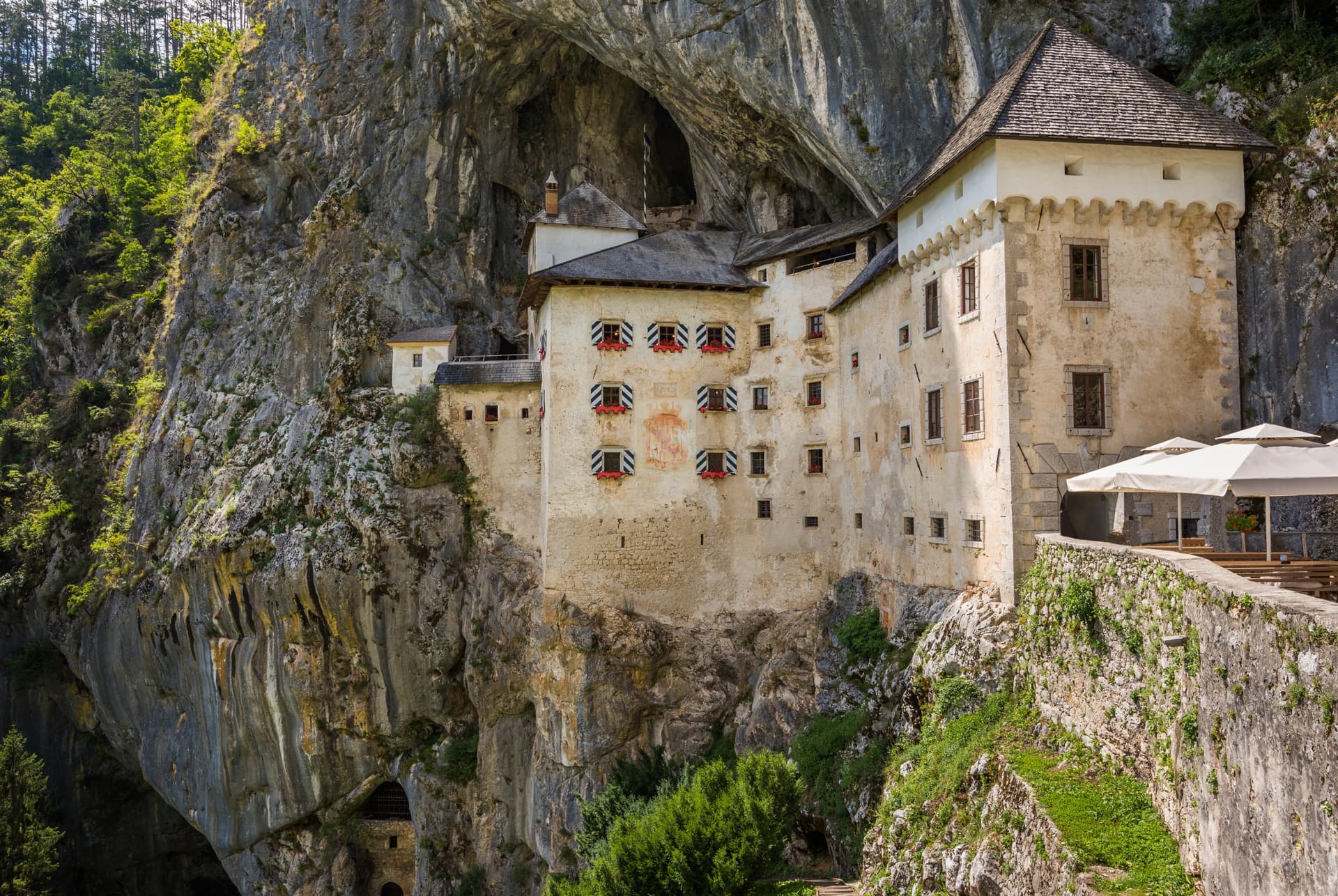
Nestled against a 123 m cliff near Postojna, Predjama Castle blends medieval architecture with karst cave formations, set against the legend of Erazem.
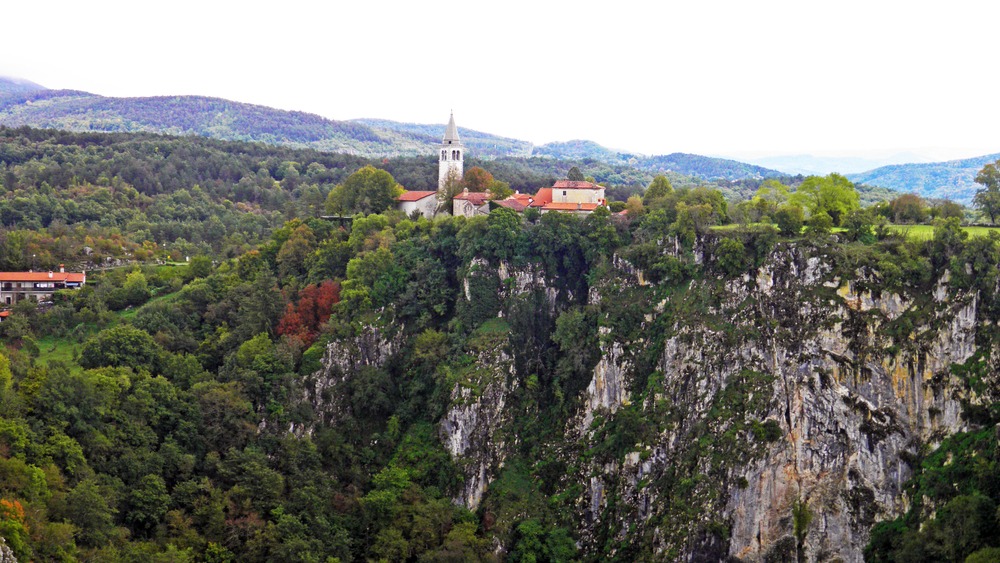
Clinging to the middle heights of a 123-metre limestone cliff, some ten kilometres from the Postojna caves, Predjama Castle (in Slovenian grad Predjama, in German Höhlenburg Lueg) occupies a remarkable defensive position overlooking a karst chasm. Erected in the 13th century and inseparable from the legend of the knight-brigand Erazem, this troglodytic fortress stands out for its fusion of human architecture and natural rock.
Why visit Predjama Castle
Predjama Castle ranks among Europe's rare fortresses entirely built into a cave. Its structure blends so seamlessly with the cliff face that in places it becomes difficult to distinguish cut stone from natural rock walls. This architectural singularity, combined with a rich history, makes it one of Slovenia's most visited sites after the neighbouring Postojna cave.
The castle has also served as a setting for several audiovisual productions, including Jackie Chan's film Armour of God and documentaries broadcast on Discovery Channel.
History of the castle
The site is first mentioned in 1274 under the German name Luegg. Built by the Patriarchs of Aquileia, it later passed into the hands of the noble Luegg family, nicknamed "the knights of Adelsberg" – Adelsberg being the Germanic name for Postojna. The building developed in successive stages, resulting in a coexistence of Romanesque, Gothic and Renaissance styles still visible today.
The legend of Erazem of Predjama
In the 15th century, Erazem Lueger – Erazem Predjamski in Slovenian – made the castle his stronghold. Presented by tradition as a baron-thief who robbed the powerful to help the weak, he allegedly killed Marshall Pappenheim, son of Emperor Frederick III, during an altercation at the Vienna court. Fleeing to Predjama, he then endured a siege led by Gaspar Ravbar, governor of Trieste.
The siege lasted approximately one year. Erazem held out thanks to the tunnels in the cave beneath the castle, which allowed him to provision himself discreetly from neighbouring villages. To taunt the besiegers, he even threw fresh cherries at them, proof that he lacked for nothing. The end came in 1484: a servant, bribed by Ravbar, signalled by candlelight the moment when Erazem went to the toilet – the only vulnerable point of the fortress. A well-aimed cannon shot ended the resistance. Local folklore still speaks of the linden tree that his beloved allegedly planted in memory of the knight.
What to see on site
Triptych architecture
The castle reads like a triptych unfolded within the cliff, organised into three distinct sections:
- The right wing, the most recent, dates from the Renaissance and consists of a ground floor and three storeys.
- The central section is Romanesque on its lower levels, Gothic on the 3rd and 4th floors.
- The left wing comprises four storeys, Romanesque at the base and extended in Gothic style.
On the 4th floor, an internal drawbridge opens onto a cave fitted out as a refuge, a key element of the defensive system. The complex totals 38 rooms spread across 6 levels: halls, kitchen, chapel, hall of justice, torture chamber, dungeons and armoury, the latter housing a collection of medieval weapons (swords, lances, bows, crossbows, halberds) and plate armour.
The cave beneath the castle
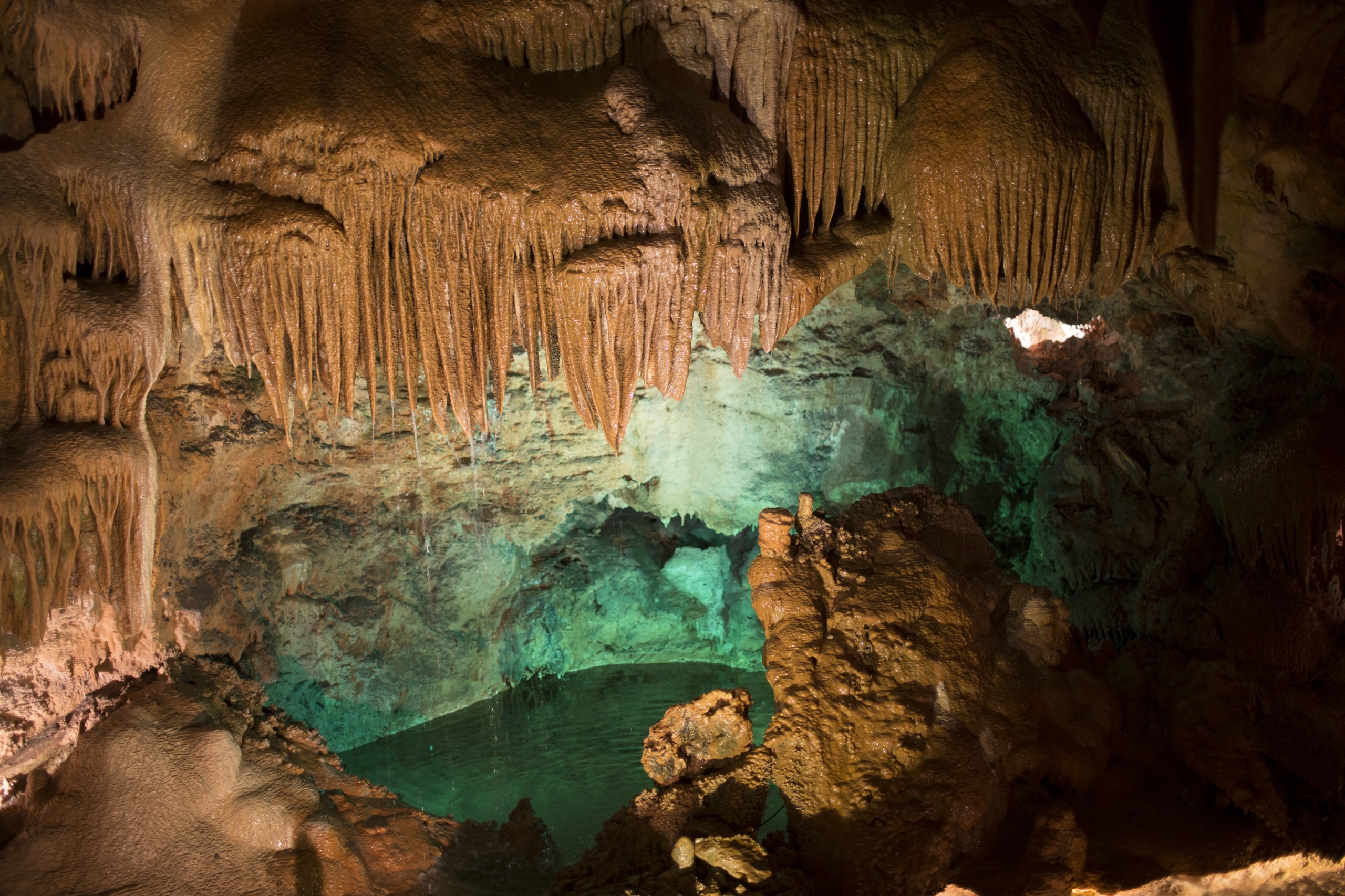
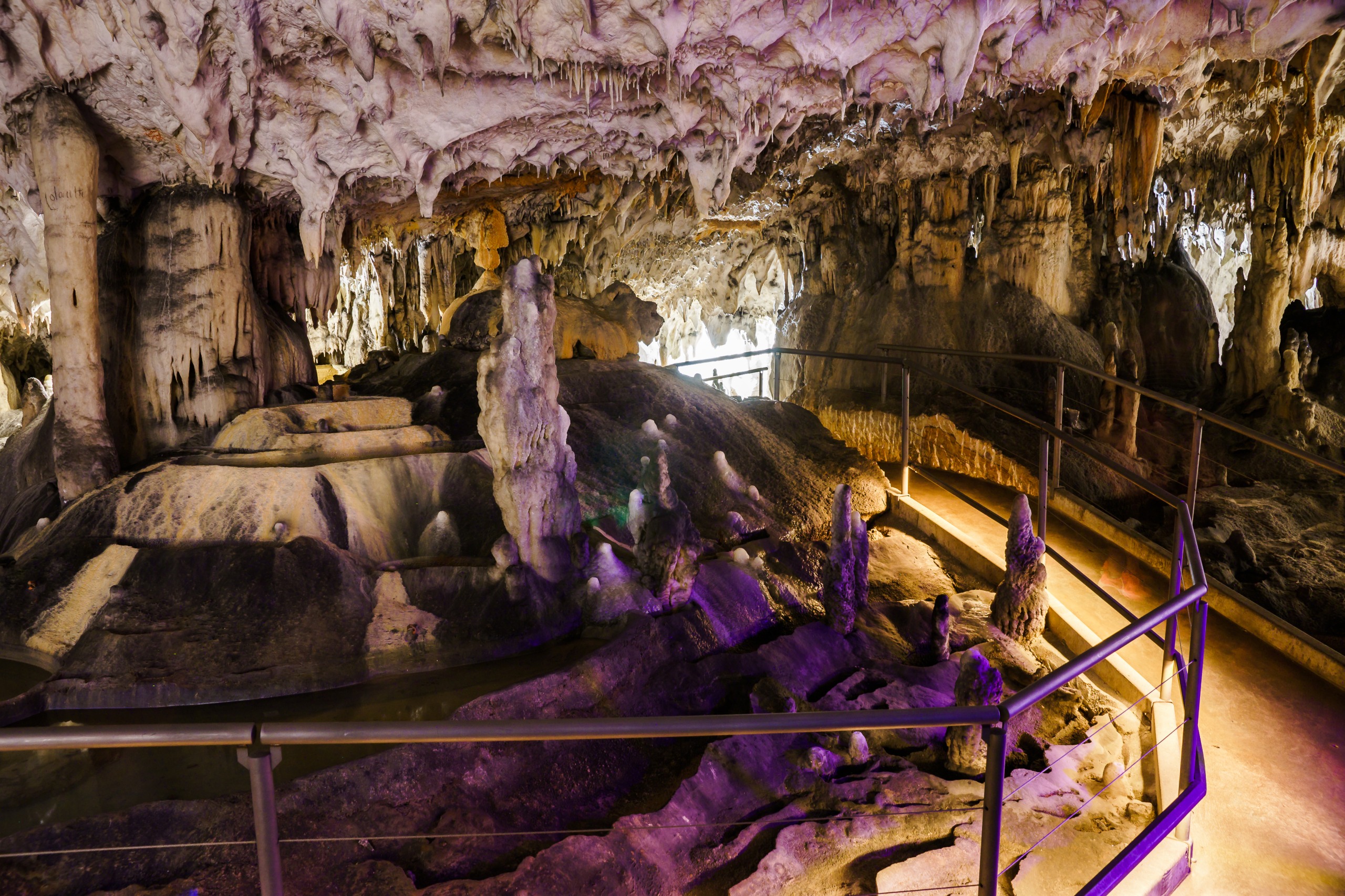
Beneath the fortress extends Slovenia's second-longest show cave. The karst network measures approximately 14 kilometres in total, with a 700-metre tourist section including the stables, the main passage, the Cave of Names, the great hall and the Fiženca exit. The tour is conducted by torchlight, distributed at the entrance, and the temperature remains cool year-round: bring warm clothing and suitable footwear.
The Tournament of Erazem of Predjama
Each summer, a medieval re-enactment brings the legend of Erazem back to life at the castle's foot: combat, period dances, fire demonstrations and craft markets. It's the liveliest occasion to visit the site.
When to go
The castle is open year-round. The cave below it, however, is only open between May and September: for the rest of the year, it serves as a refuge for a hibernating bat colony and remains closed to the public. To combine castle and cave, plan your visit during the warmer months. July, marked by the medieval tournament, attracts more visitors: arrive early in the day to avoid crowds.
Practical information
Allow approximately 1.5 to 2 hours to visit the castle alone, and nearly half a day if you add the cave. Combined tickets for castle + Postojna cave generally offer the best value for those with a full day available. Dress appropriately for a cliff site: closed-toe shoes, light jacket even in summer (the underground rooms remain cool).
How to get there
The castle is located about 9 km from Postojna cave, roughly twenty minutes by car. In July and August, a shuttle connects the two sites directly, making a combination without a vehicle possible. Outside the season, taxi remains the most practical option from Postojna. From Ljubljana, allow approximately one hour's drive via the A1 motorway.
Nearby attractions
- The town of Postojna and its famous cave, ten kilometres away, notably house the proteus (Proteus anguinus), locally nicknamed the "baby dragon".
- Bled Island, emblem of the north-western Alpine lake region, accessible in less than two hours' drive.
- Miramare Castle, on the Italian side near Trieste, naturally extends a cross-border itinerary.
- The Dragon Bridge in Ljubljana, another landmark of Slovenian heritage.
Frequently asked questions
Frequently asked questions
Yes, the castle is open for visits throughout the year. Only the cave beneath the castle closes from October to April, due to bat hibernation.
Allow 1.5 to 2 hours for the castle alone, and approximately half a day if you add the cave and travel from Postojna.
Yes, it's actually the most common formula. A seasonal shuttle connects the two sites in July and August over a journey of about 20 minutes. Combined tickets are available on site.
Yes. The castle is family-friendly, with an adapted audioguide. The underground section requires closed-toe shoes and warm clothing, but presents no particular difficulty for children old enough to walk.
It is regularly presented as such by Slovenian tourism authorities. In the absence of a consensual scientific ranking, it is in any case the most emblematic of European castles entirely built within a cave.
Integrating Predjama into your itinerary
Predjama Castle and Postojna cave form a logical pairing for a day exploring Slovenian karst. For a broader circuit combining heritage, alpine lakes and Adriatic coastline, consult our suggestions for bespoke travel to Slovenia.
Nearby
Interested in this visit?
We can include it in your personalised itinerary.