28 articles to prepare your trip
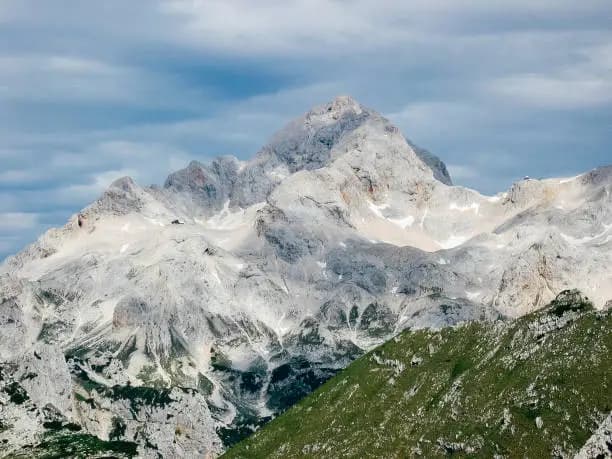
At 2,864 m, Triglav is Slovenia's highest peak and its national symbol. Climbing this summit in the Julian Alps is a rite of passage for Slovenes and an accessible challenge for experienced hikers.
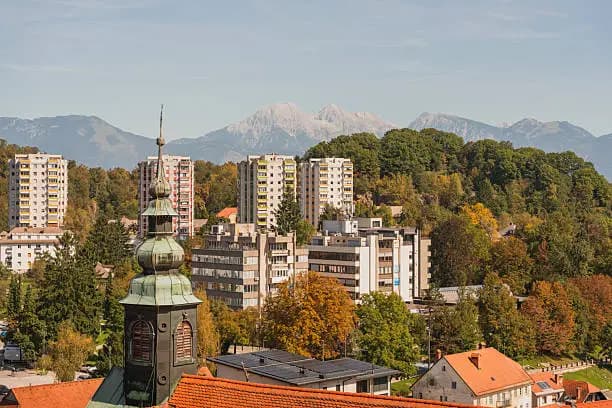
Perched above the old town, Škofja Loka Castle houses a regional museum chronicling eight centuries of local history, featuring a Renaissance courtyard and remarkable panoramas over the Slovenian Alps.
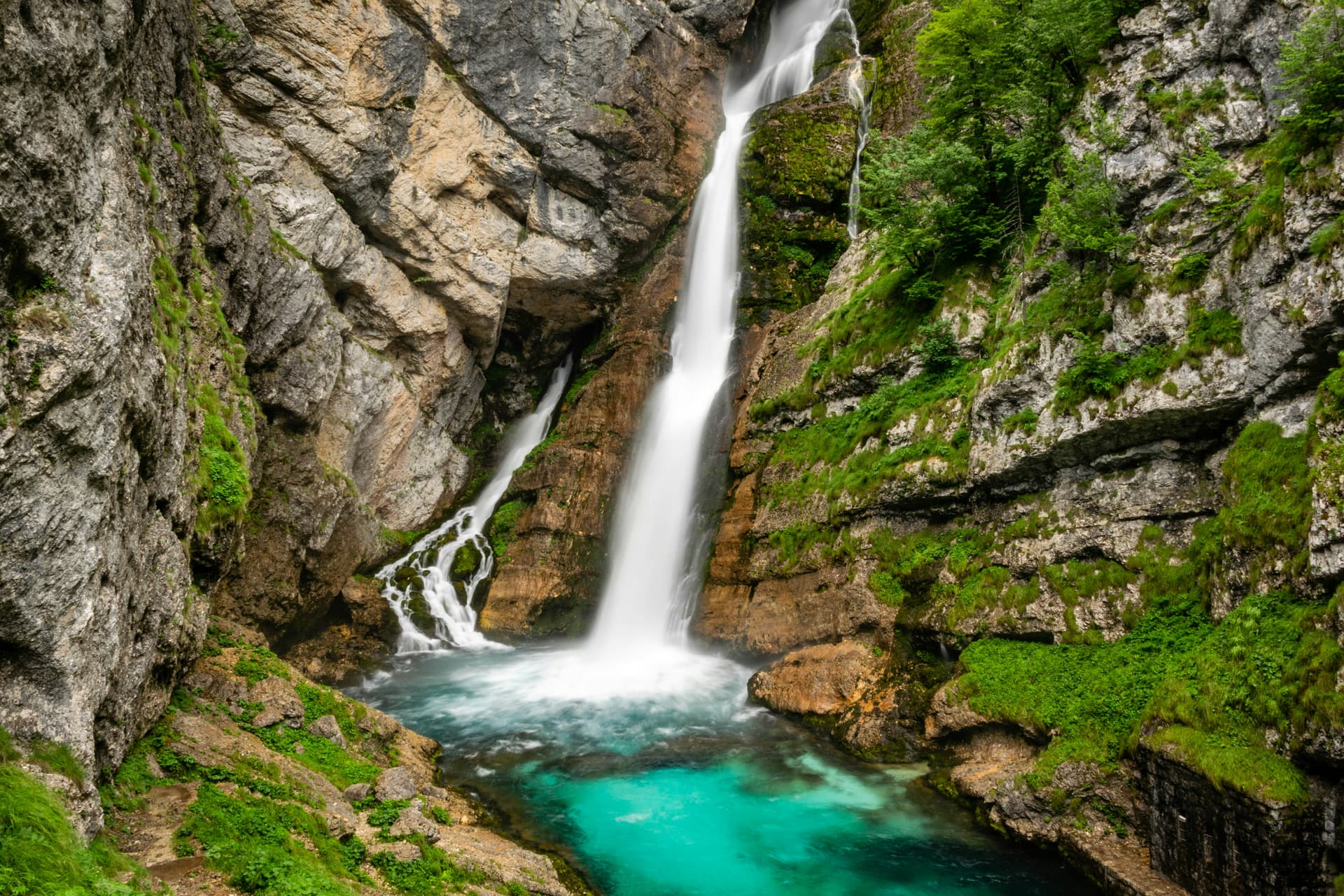
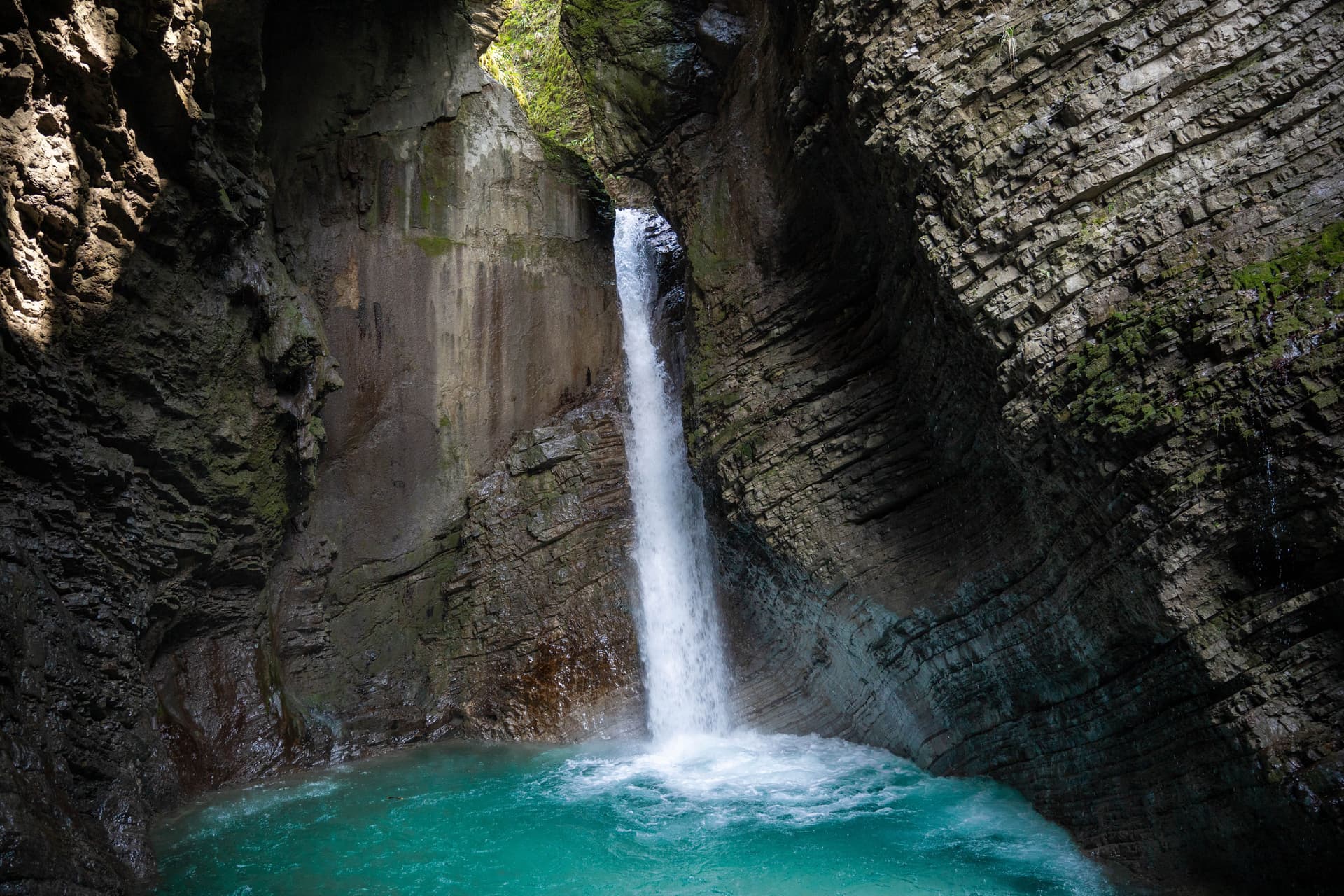
The Savica waterfall, at the western end of Lake Bohinj, plunges 78 meters between limestone cliffs. A natural site and Slovenian literary landmark, it can be reached in 20 minutes of walking from the car park.
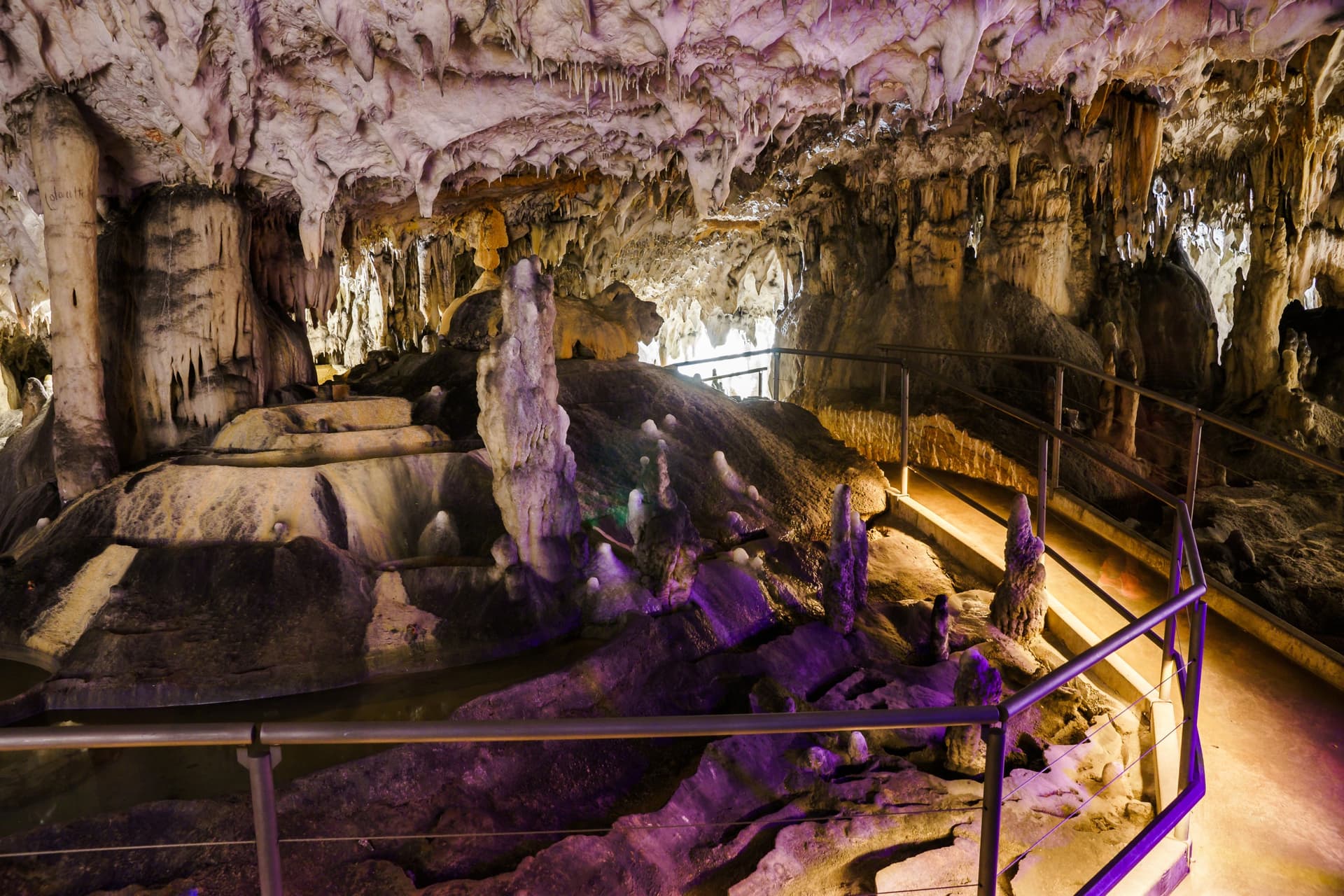
With nearly 24 km of galleries, Postojna Cave is one of Europe's largest karst systems. Underground train, giant formations and Proteus anguinus make it a major natural site in Slovénie.
Peričnik Waterfall, nestled in Vrata Valley, offers a rare experience: a path carved into rock allows you to walk behind its lower cascade of 52 metres, deep within Triglav National Park.
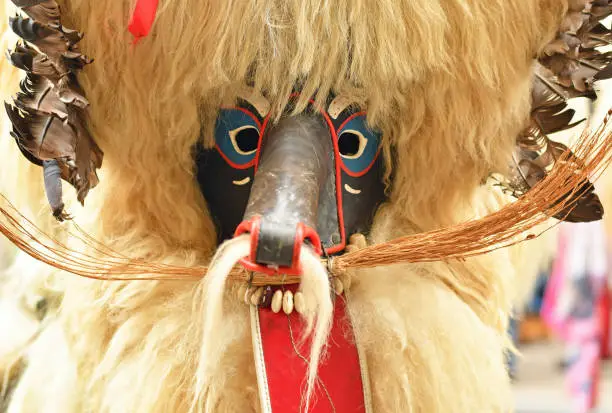
Every winter in Ptuj, Kurentovanje transforms Slovénie's oldest town into a carnival stage. Parades of Kurents in sheepskin, bells and regional masks: an event inscribed on UNESCO's Intangible Cultural Heritage list.
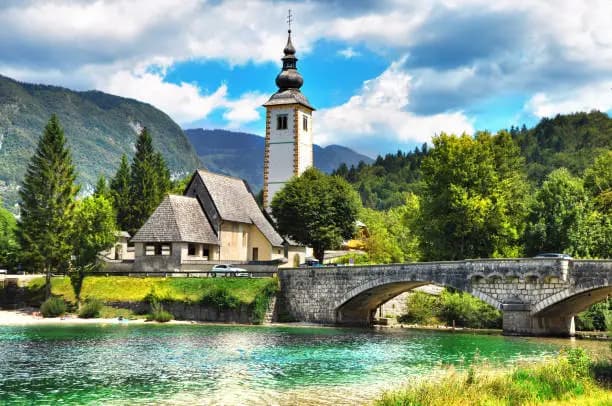
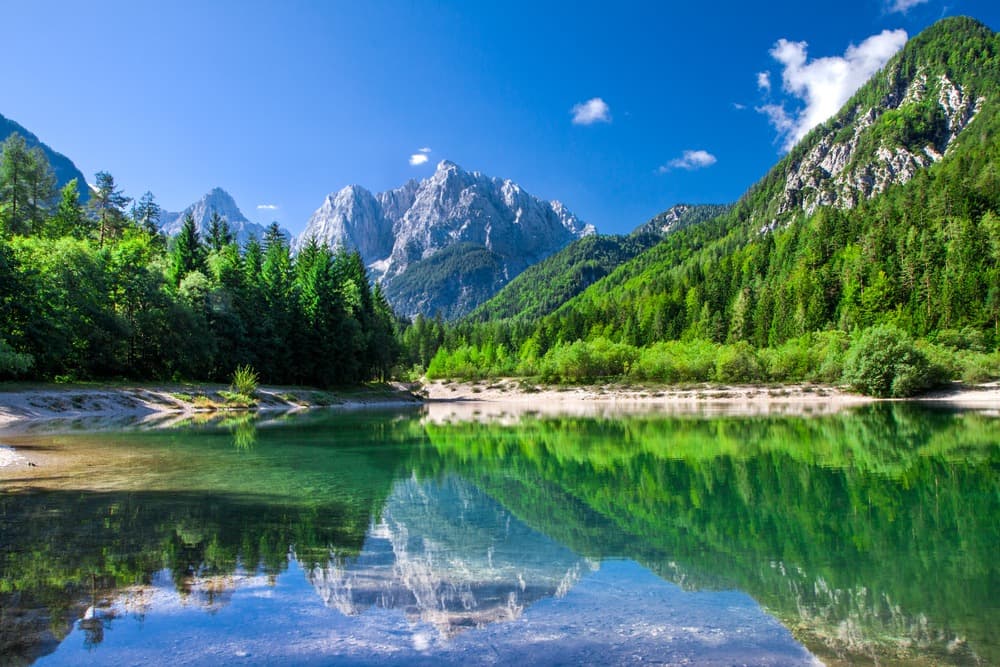
Lake Bohinj, Slovenia's largest natural lake, stretches across the heart of Triglav National Park. Crystal-clear waters, alpine forests, and towering peaks frame this pristine destination, perfect for hiking, swimming, and immersing yourself in the Slovenian wilderness.
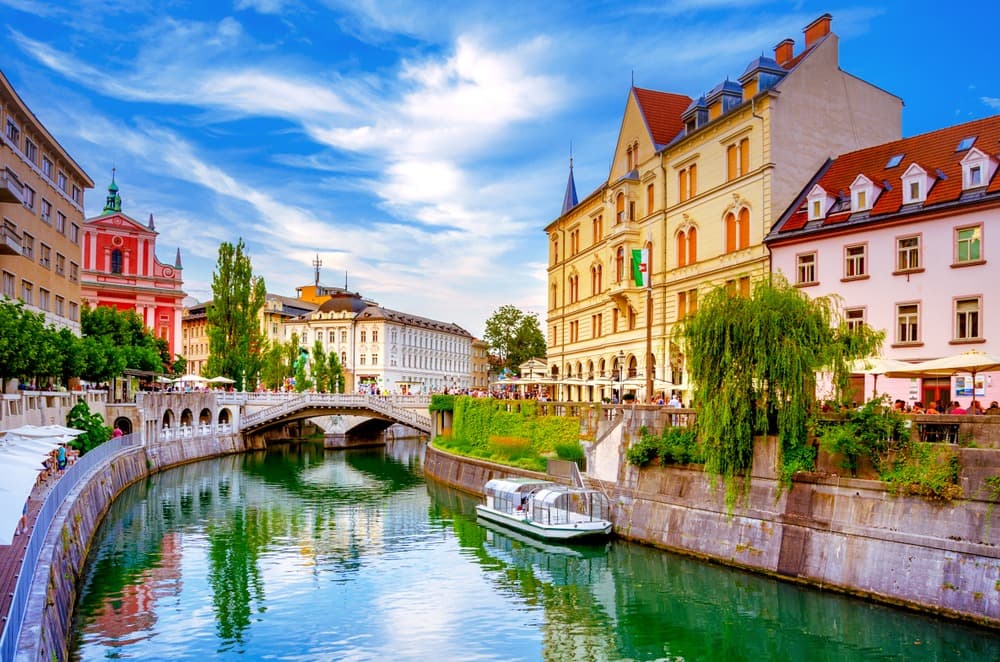
The Triple Bridge of Ljubljana, or Tromostovje, unites three parallel bridges designed by Plečnik above the Ljubljanica, connecting the old town to the modern center.
Parc national Triglav
Slovenia's sole national park, Triglav protects 840 km² of the Julian Alps: Mount Triglav (2,864 m), glacial lakes, Soča valley and World War I heritage.
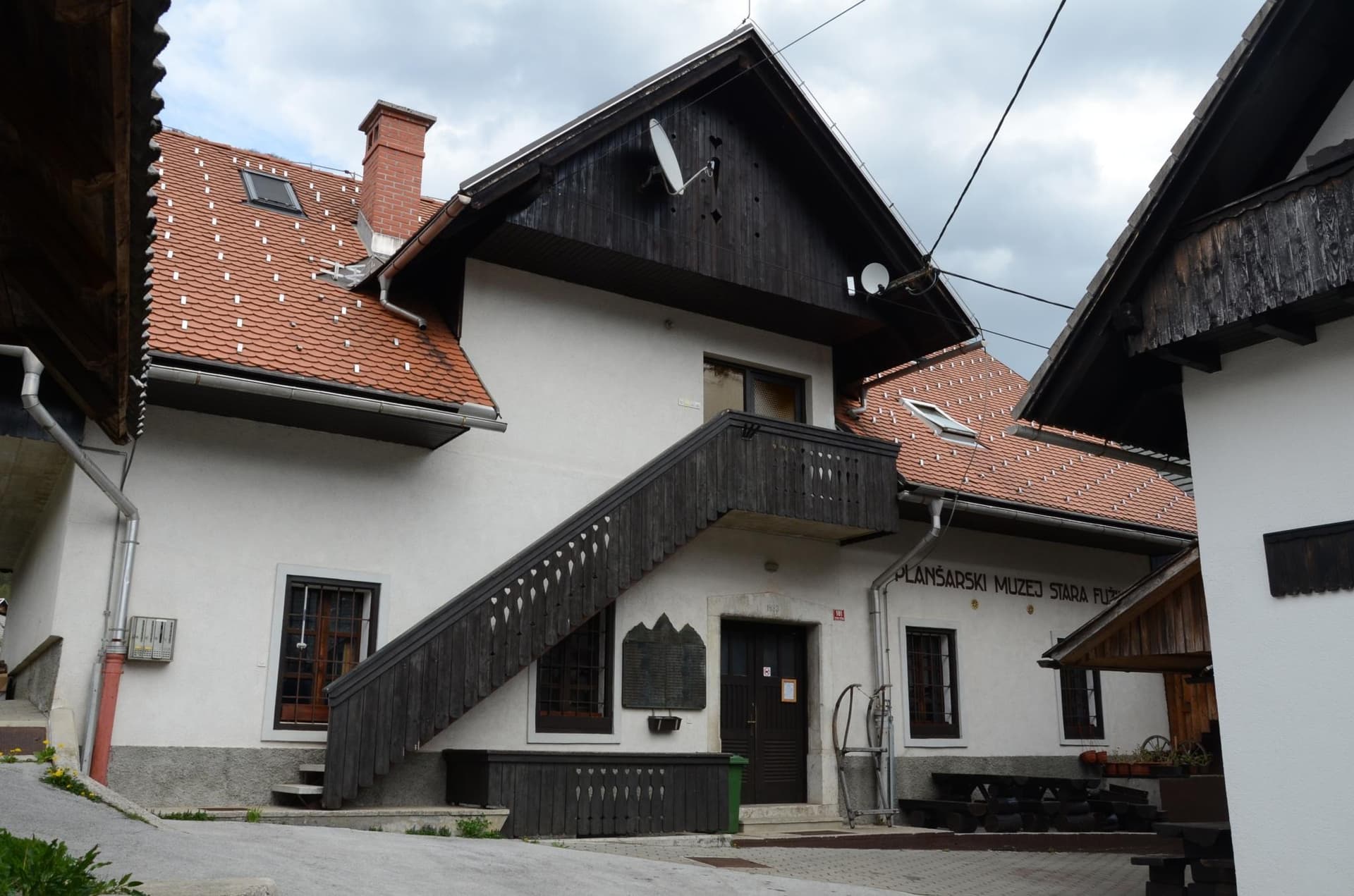
In Stara Fužina, housed in an 1883 cheese dairy, the Alpine Dairy Farming Museum traces transhumance and Bohinj's cheese-making heritage.
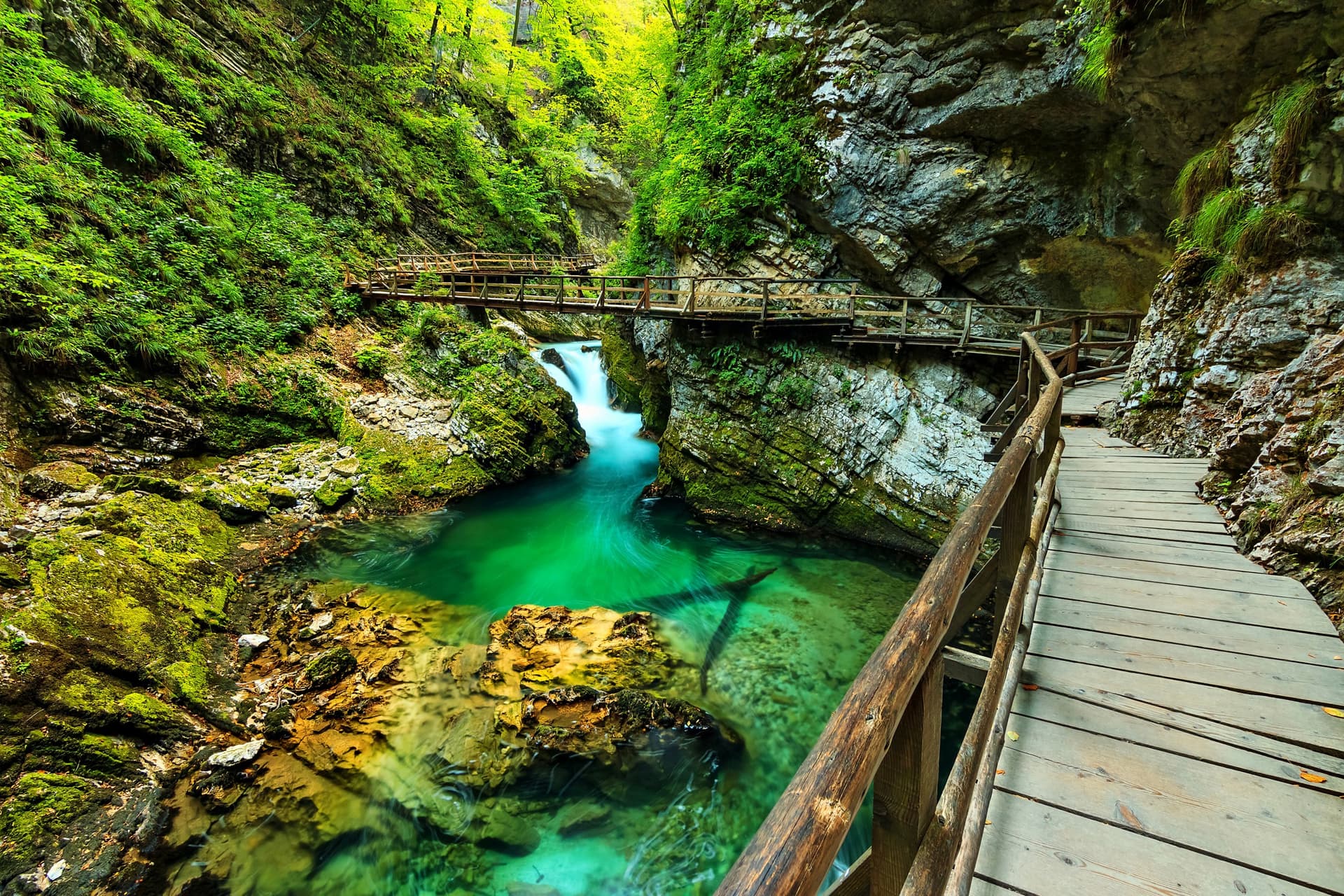
A 1,600 m canyon carved by the Radovna River near Bled, Vintgar Gorges can be explored on wooden walkways leading to the Šum waterfall.
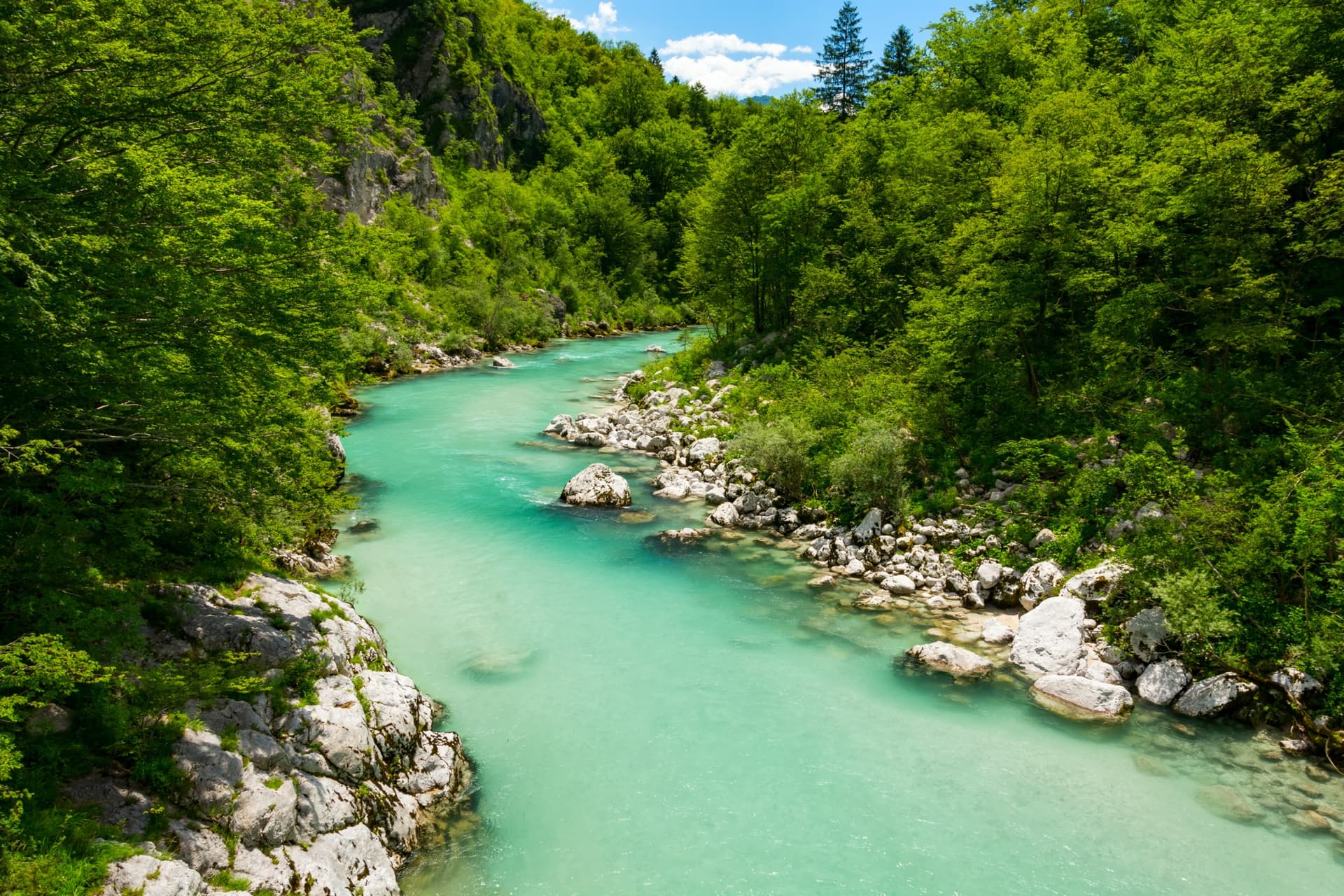
In northwestern Slovenia, the Soca Valley combines emerald waters, First World War heritage and outdoor sports between Bovec, Kobarid and Tolmin.
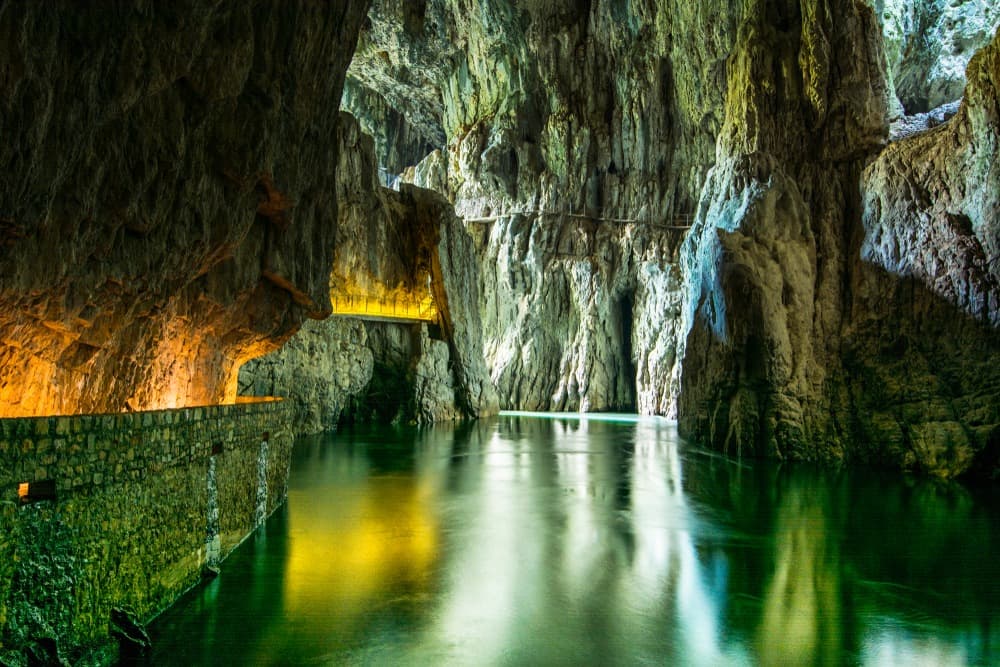
A UNESCO site in the Slovenian Karst, Škocjan Caves shelter a 3.5 km underground canyon carved by the Reka River, with monumental chambers and a bridge spanning 47 m.
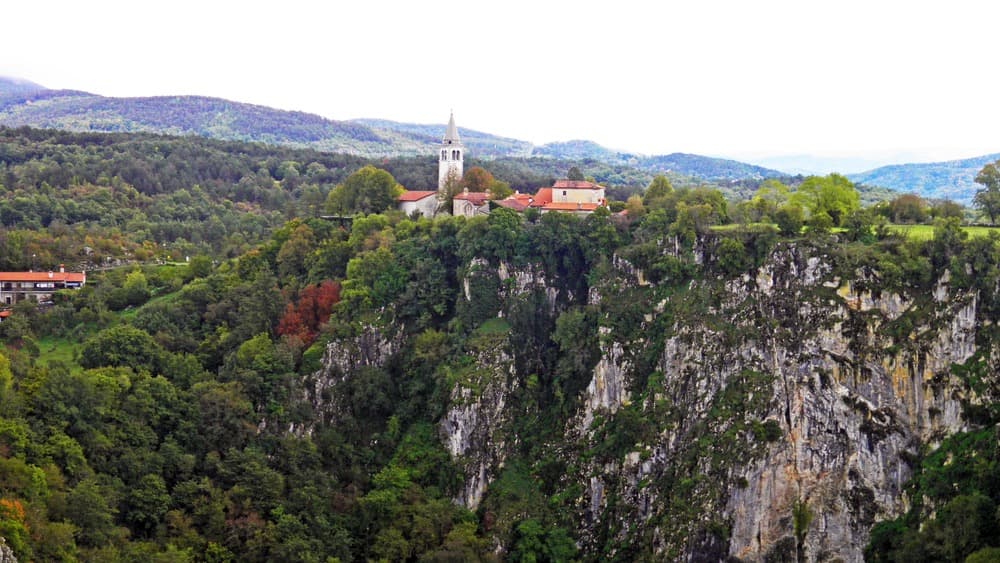
Slovenia's oldest landscape park, Rakov Škocjan brings together natural stone bridges, deep sinkholes and archaeological caves in the heart of the Karst region.
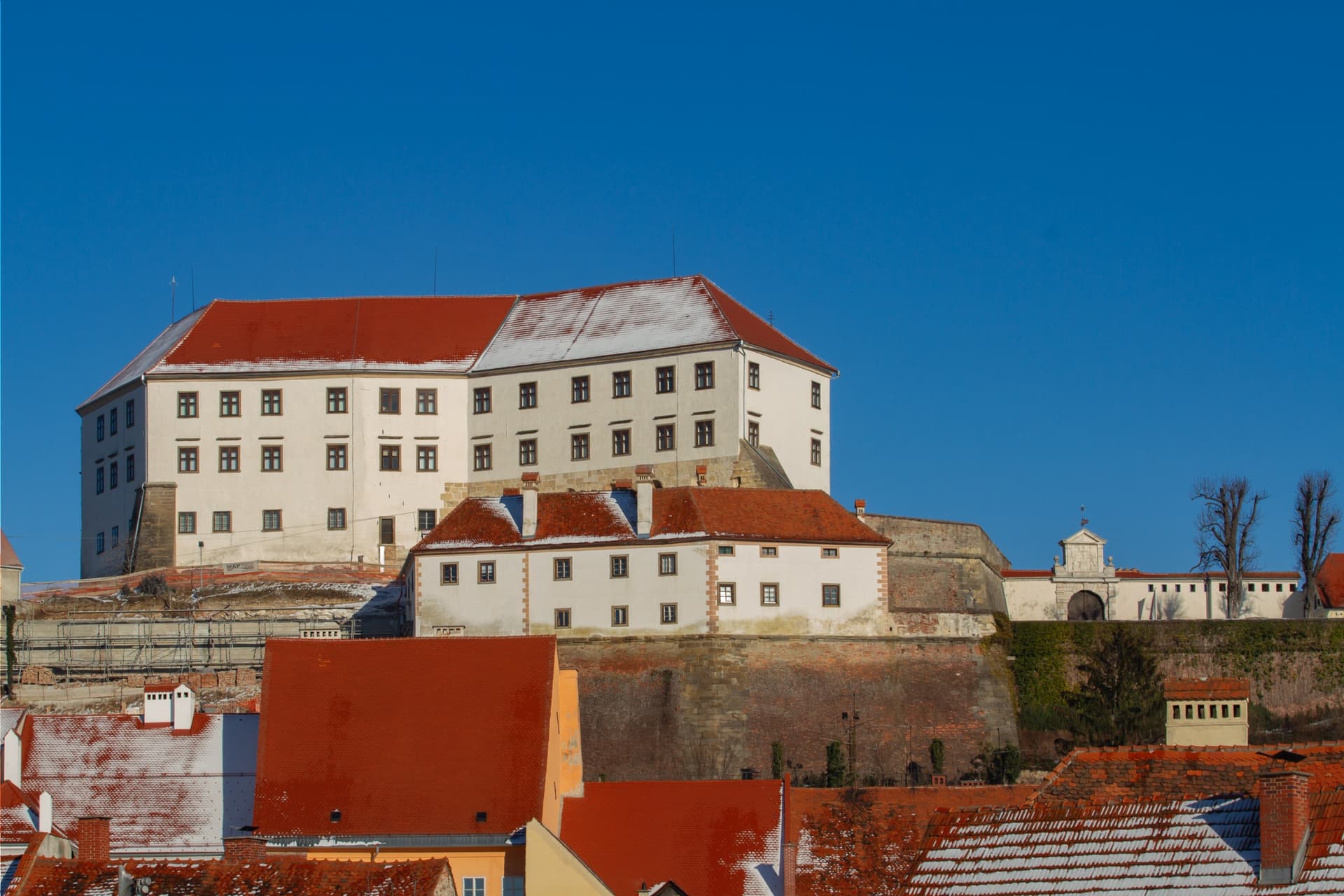
A 12th-century fortress overlooking Ptuj, the castle houses the regional museum, a painting gallery, approximately 300 musical instruments and 700-year-old cellars.
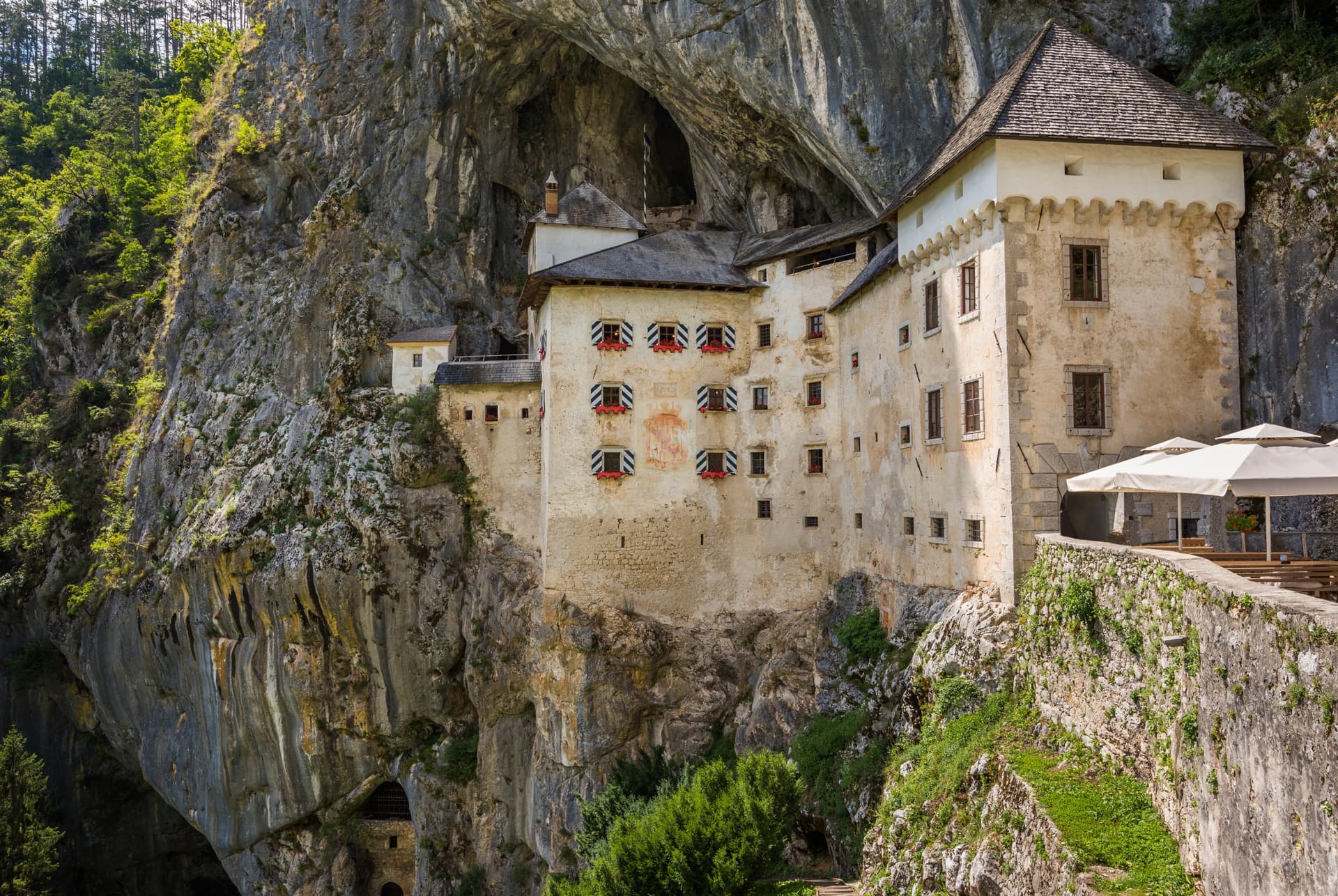
Nestled against a 123 m cliff near Postojna, Predjama Castle blends medieval architecture with karst cave formations, set against the legend of Erazem.
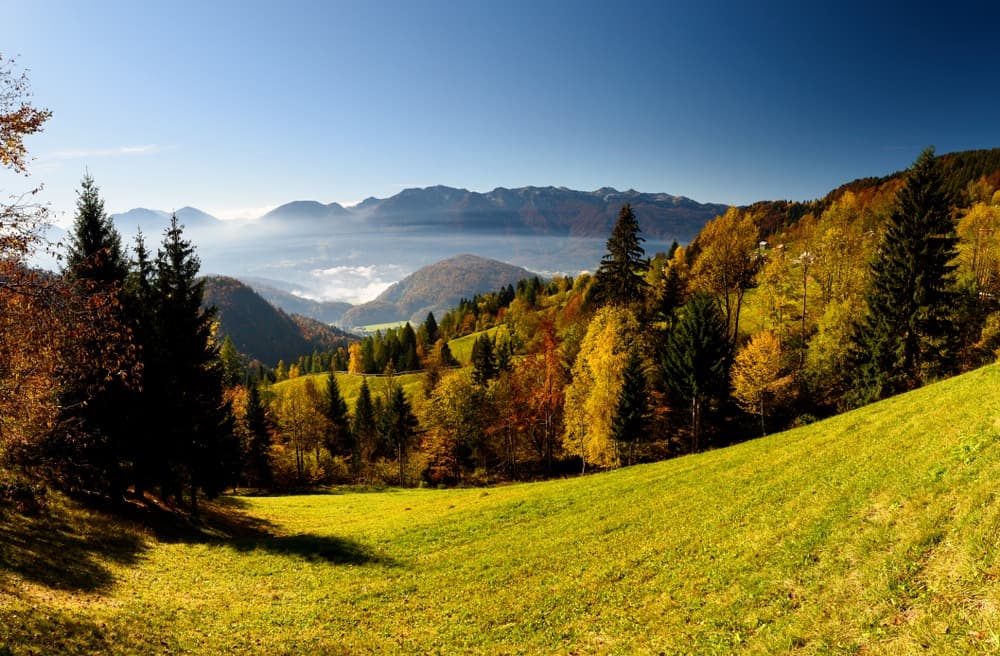
High alpine plateau in Triglav National Park, Pokljuka blends forests, summer pastures and cross-country ski stations between Bled and Bohinj.
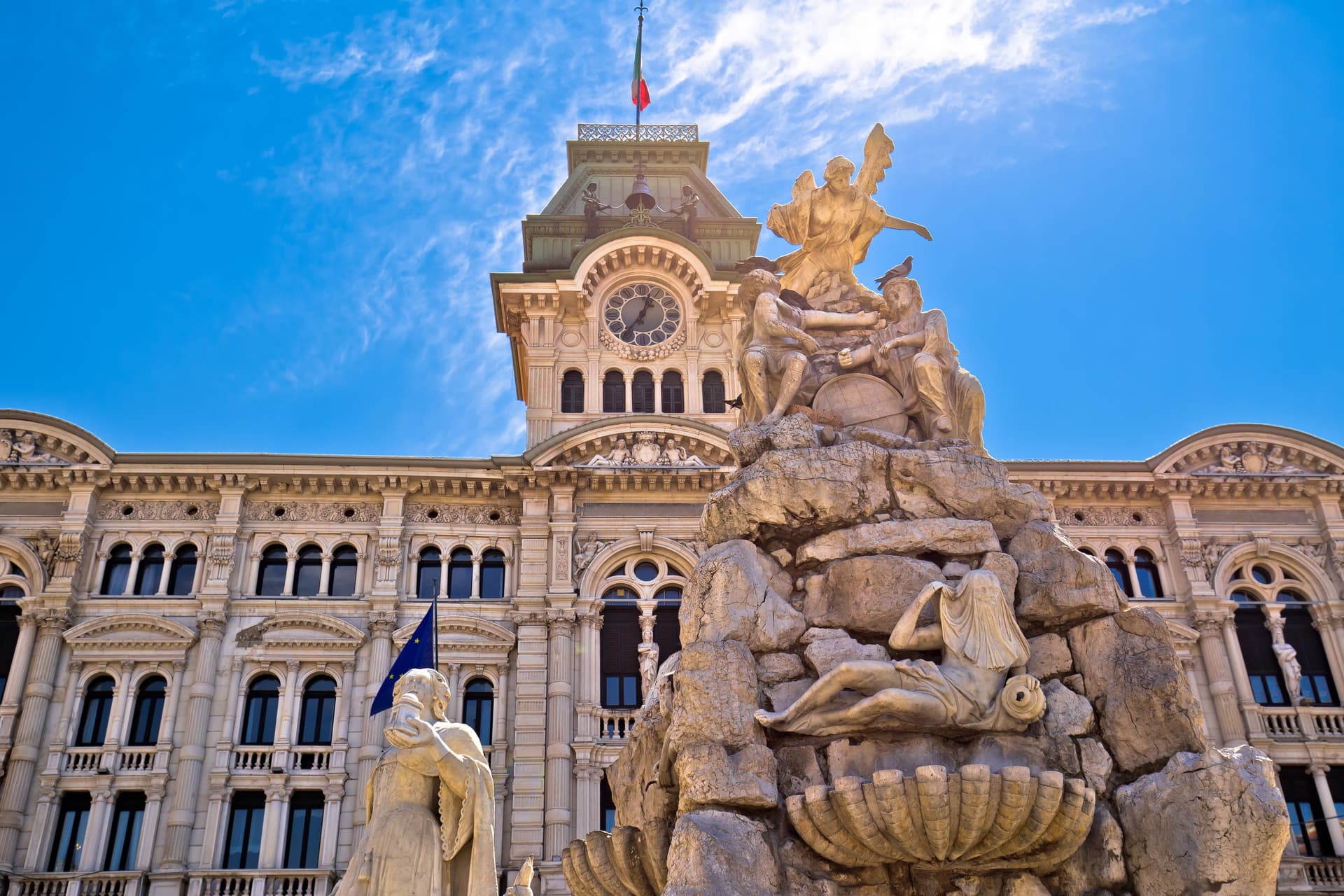
In Trieste, Piazza Unità d'Italia is one of Europe's largest public squares open to the sea. History, palaces, and visiting tips.
18 of 28 results
We use cookies to improve your experience and measure our site's audience. You can choose what you accept. Learn more.