Ptuj Castle
Ptuj Castle
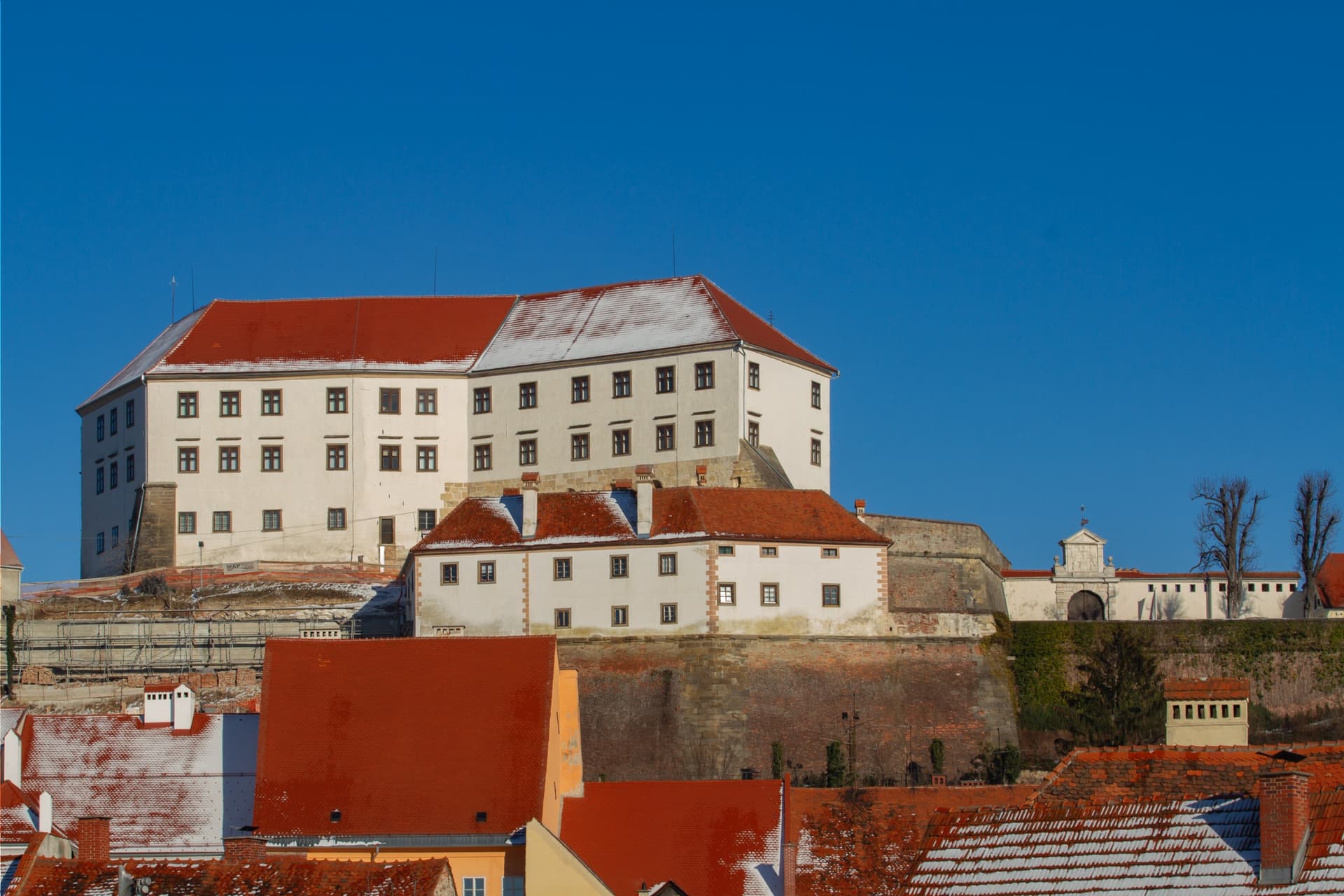
A 12th-century fortress overlooking Ptuj, the castle houses the regional museum, a painting gallery, approximately 300 musical instruments and 700-year-old cellars.
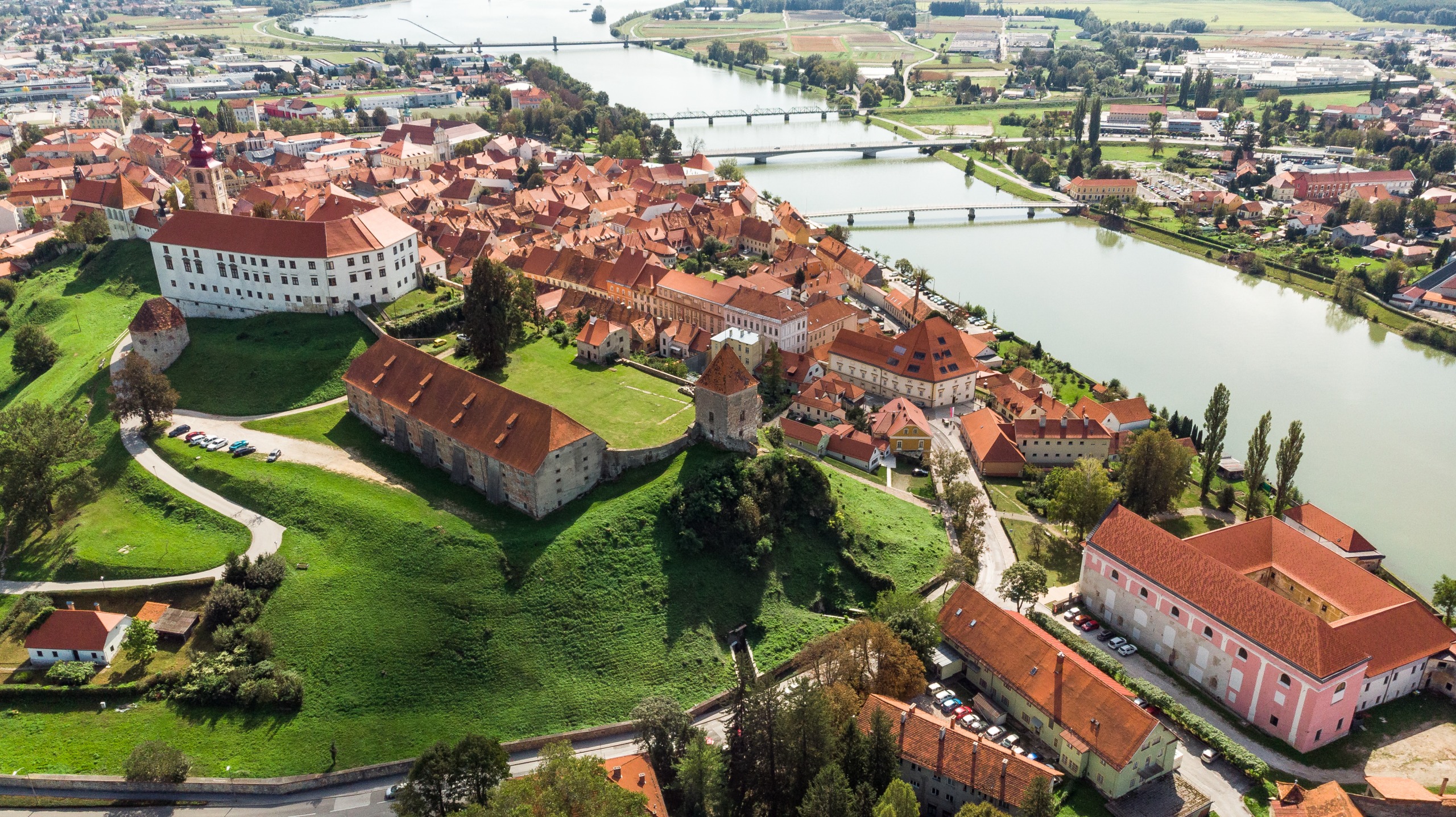
Perched on a rocky promontory overlooking the Drava river, Ptuj Castle brings together in one location a regional museum, a painting gallery, a collection of musical instruments considered the most extensive in Slovenia, an armoury and vaulted cellars. A visit here is the natural entry point for understanding Ptuj, one of the country's oldest towns.
Why visit Ptuj Castle
The castle occupies a dominant position above the old town. From its terraces, views embrace the red-tiled rooftops, cobbled streets and the course of the Drava river. The inner courtyard is punctuated by arcades on three levels that give the building an unexpectedly Tuscan air beneath these latitudes.
The appeal of the location lies in the density of its collections: in just a few hours, you traverse several centuries of regional history, from the aristocratic life of the Herberstein family to local ethnography, passing through the armoury and wine cellar. Allow 2 to 3 hours for a complete visit, longer if you extend with a tasting.
A history reaching back to the 12th century
The current castle was built in the first half of the 12th century on a rocky spur overlooking the Drava. Some theories push back its origins to the 9th century, under the authority of the bishops of Salzburg, but this origin remains debated.
The lords of Ptuj owned it from 1132 to 1438. Several noble families succeeded them afterwards, until the counts of Herberstein, the last private owners, undertook major renovations in 1912. The building was nationalised in 1945 and transformed into a museum, which made it possible to preserve much of its original furnishings and décor.
What to see at the castle
The Ptuj-Ormož Regional Museum
The first part of the museum route corresponds to former living quarters. Antique furnishings, chandeliers, paintings and tapestries form a coherent ensemble, inherited mainly from the Herberstein family.
The upper floor houses the painting gallery, showcasing works from the 16th to 18th centuries: portraits of noble families, landscapes, religious and mythological scenes, framed in gilt wood.
The musical instruments collection
An entire section is devoted to a collection of approximately 300 pieces, considered the most extensive in Slovenia. Ancient pianos, stringed and wind instruments are displayed in rooms punctuated with sound recordings. The most singular piece is a double Roman flute from the 2nd or 3rd century, testament to the historical depth of the site.
The armoury
The armoury room brings together more than 500 pieces from the 15th to 20th centuries: complete suits of armour, swords, halberds, arquebuses and later firearms. The ensemble offers a continuous reading of the evolution of weaponry in Central Europe.
The wine cellars
Beneath the castle, the Osterberger cellar runs through the fortress galleries and offers tastings of local wines from the surrounding hillsides.
At the foot of the promontory, the Ptuj Wine Cellar is considered Slovenia's oldest wine cellar, in operation for approximately 700 years. It preserves the Zlata trta ("golden vine"), a 1917 vintage, as well as a wooden barrel with a capacity exceeding 22,000 litres.
Around the castle
- Ptuj Tower, on Slovenski Trg square, has the distinction of having four façades but only three clocks: the façade facing the castle has none, the result of a financing dispute with the lords of the place during its construction.
- The Orpheus monument, a 5-metre pillar standing opposite the Tower, is decorated with scenes from the myth of Orpheus.
- The Dominican and Minor Friars monasteries (Minorite Monastery) complete the town's religious heritage.
- Ptuj Lake, to the south, is appreciated for birdwatching (black-headed gull, cormorant, common tern) and offers boat trips from May to September.
Practical information
The castle is open year-round, with wider opening hours in summer and reduced hours in winter. The entrance ticket gives access to the museum and main collections; the cellars are the subject of separate visits with tastings. Moderate prices.
The main access is via a narrow alley followed by a covered staircase that leads to the courtyard. To avoid stairs, a rocky path skirts the hill from the Dominican monastery. The ticket office is located inside the fortification wall.
When to go
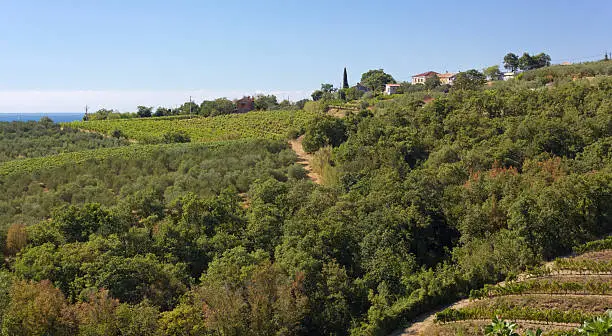
Spring and early autumn offer the best compromise: mild temperatures, colourful vineyards and reasonable crowds. Summer opens the season for boat trips on Ptuj Lake and allows you to enjoy the free bike rental offered by the Tourist Information Centre (TIC).
Late winter coincides with the Kurentovanje Carnival, an 11-day event whose Kurent costumes are inscribed in UNESCO's intangible heritage. This is the liveliest period of the year in Ptuj, but also the busiest.
How to get there
Ptuj is located in northeast Slovenia, about thirty kilometres from Maribor and approximately 130 km from Ljubljana. The town is connected by train and bus from these two centres; by car, allow approximately 1 hour 30 minutes from Ljubljana via motorway. The castle can be reached on foot from the historic centre in 10 to 15 minutes' climb.
What to see nearby
- The Slovenske gorice hills, the country's largest wine-growing region, and the Haloze hills, accessible on foot or by bike from the town.
- To extend a Slovenia itinerary: Bled Island, the Dragon Bridge in Ljubljana, or the Kobarid Museum devoted to the Isonzo front.
Frequently asked questions
Frequently asked questions
Preparing your trip
Ptuj Castle fits naturally into an itinerary combining Slovenian Styria, the northeastern vineyards and the capital. To build a bespoke itinerary, consult our Slovenia travel suggestions.
Interested in this visit?
We can include it in your personalised itinerary.