Vintgar Gorges
Vintgar Gorges
A 1,600 m canyon carved by the Radovna River near Bled, Vintgar Gorges can be explored on wooden walkways leading to the Šum waterfall.
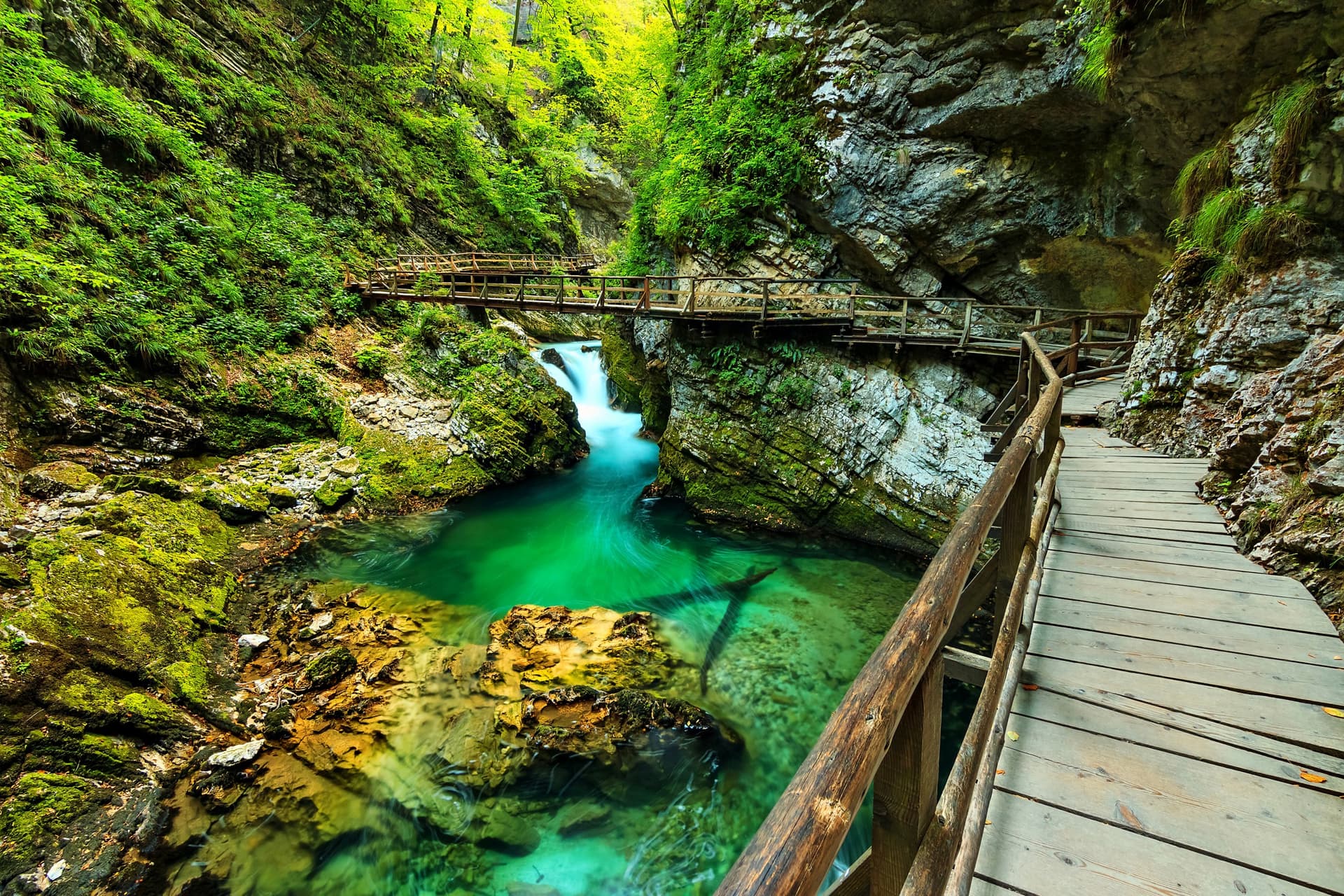
Vintgar Gorges (Soteska Vintgar in Slovénie) form a narrow and deep canyon carved by the Radovna River, approximately 4 km northwest of central Bled. Over 1,600 meters in length and up to 250 m deep, a wooden walkway trail follows the emerald-green water to the Šum waterfall. The site is part of the Triglav National Park and represents one of the most visited excursions from Bled.
Why visit Vintgar Gorges
The appeal of this place lies in the combination of three rare elements within such close proximity to a tourist town: a spectacular limestone gorge with steep walls 50 to 100 m high, a mountain river of unusual transparency, and historical late 19th-century development that has made the canyon accessible without spoiling its character. The route is on foot via a loop or short round trip, making it feasible for most walkers. Visitor numbers are high during peak season, but the site remains one of the most accessible gateways to Triglav National Park.
History and formation of the gorges
Vintgar Gorges were discovered in 1891 by Jakob Žumer, mayor of Gorjani, and Benedikt Lergetporer, photographer and cartographer of Bled. Taking advantage of an exceptionally low water level of the Radovna, the two men studied the possibilities for developing the gorge, which was then inaccessible due to the vertical erosion of limestone. Work began in 1893: more than 500 m of wooden bridges and galleries were built along the rock faces. The Žumer galleries, still bearing the name of their discoverer, are marked by a commemorative plaque.
The origin of the name is debated. The most common hypothesis links it to the German Weingarten, referring to the nearby Podhom vineyards. Another interpretation suggests a resemblance between the cross-section of the gorges and a wine glass.
Geology in three phases
The Radovna originates in the Krma and Kot valleys, in the heart of the Triglav massif, crosses the Borst and Hom hills, then flows into the Sava Dolinka after leaving the gorge. Geologists describe three mechanisms in the formation of the gorges: epigenesis (the river carves its own deposits), antecedence (it cuts through rock mass during uplift), and regressive erosion advancing from the Šum waterfall upstream. Two-thirds of the current depth was carved at the end of the last ice age; the final third formed after 10,000 years ago.
A site studied since the 19th century
The vegetation of the gorges, atypical for the region due to the humid microclimate and enclosed relief, was the subject of early botanical study by priest Janez Šafer. His observations were published by Ivan Goder in 1899 in the journal Dom in svet and in the booklet Vintgar, Slika iz gorenjske Švice.
What to see along the trail
The route follows the river on wooden walkways fixed to the rock faces and alternates with gallery sections. Several features punctuate the walk:
- The Žumer galleries, a legacy of the 1893 developments, with their commemorative plaque.
- The single-span stone bridge of the Bohinj railway, built in 1906, suspended 33.5 m above the river and spanning the gorges 53 m wide.
- The dam which diverts part of the flow to the Vintgar hydroelectric power station, located below the Šum waterfall.
- The Šum waterfall, the highlight of the route: 13 m drop, considered the highest river waterfall in Slovénie. It marks the geological limit of the gorge.
The water of the Radovna, fed by sources from Triglav, maintains a characteristic emerald-green color throughout the route.
Practical information
Site entry is paid and accessed through a single reception point at Podhom. The trail is marked and fully equipped, but features narrow sections and steps: it is not suitable for strollers or people with reduced mobility. Good closed-toe shoes are recommended, as the wooden walkways can be slippery.
Allow 1 to 2 hours for your visit depending on your pace and crowds. At the bottom of the gorges, light remains diffused and the temperature cool even in peak summer: bringing an extra layer is advisable.
When to visit
The gorges are generally open from spring through late autumn and closed in winter, when snow and rockfall make the trail impassable. Optimal conditions occur in May-June and September: sustained river flow, pleasant temperatures, and more moderate crowds than July-August. During peak season, visitor numbers can be very high; arriving early morning or late afternoon helps avoid queues at the entrance.
How to get there
From central Bled, several options exist to reach the gorge entrance, approximately 4 km away:
- On foot: an hour's walk via marked trails through Podhom, pleasant in good weather.
- By bike: short route with little elevation, several rental shops are available in Bled.
- By seasonal shuttle: buses connect Lake Bled to the entrance during high season.
- By car: parking is available near the reception, but fills up quickly mid-day.
Nearby attractions
Vintgar Gorges fit naturally into a stay around Bled and Triglav. Worth seeing in the area:
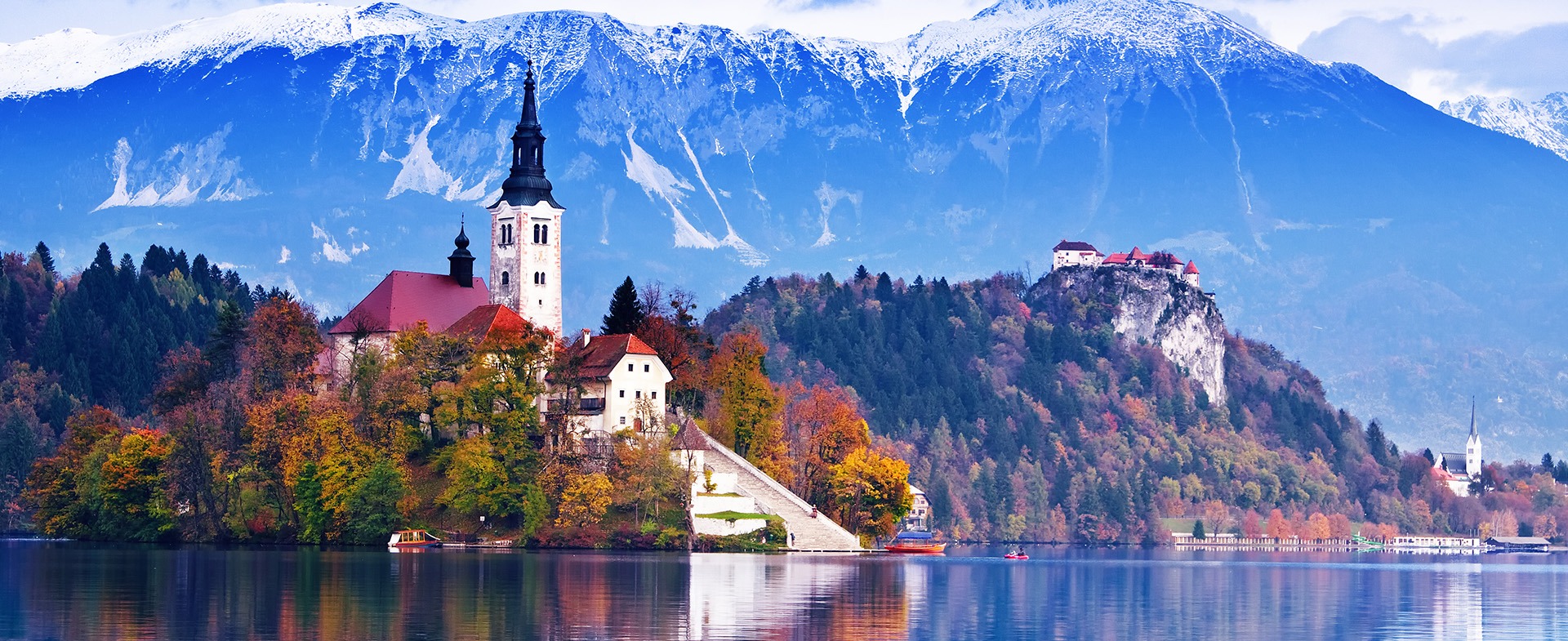
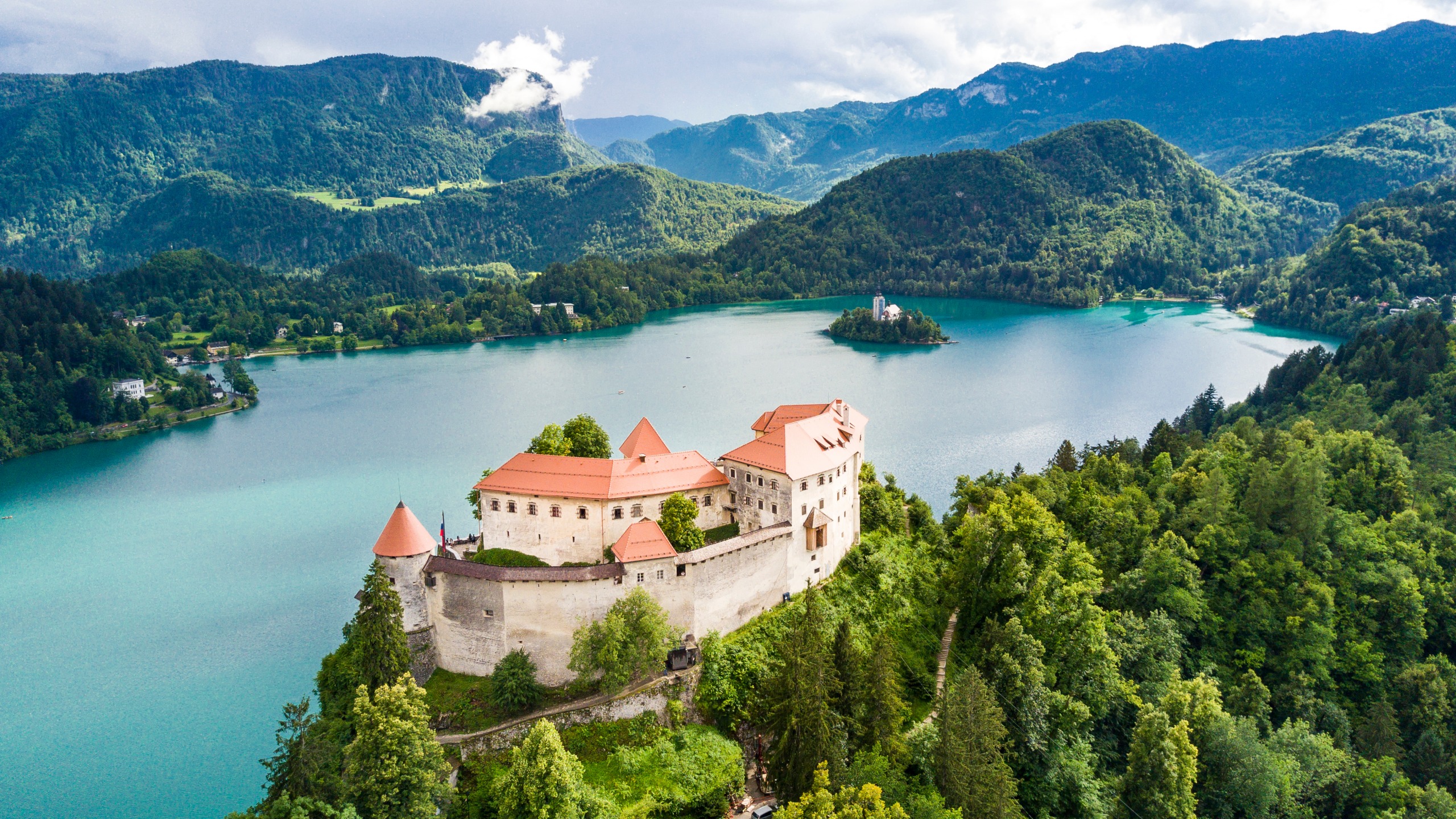
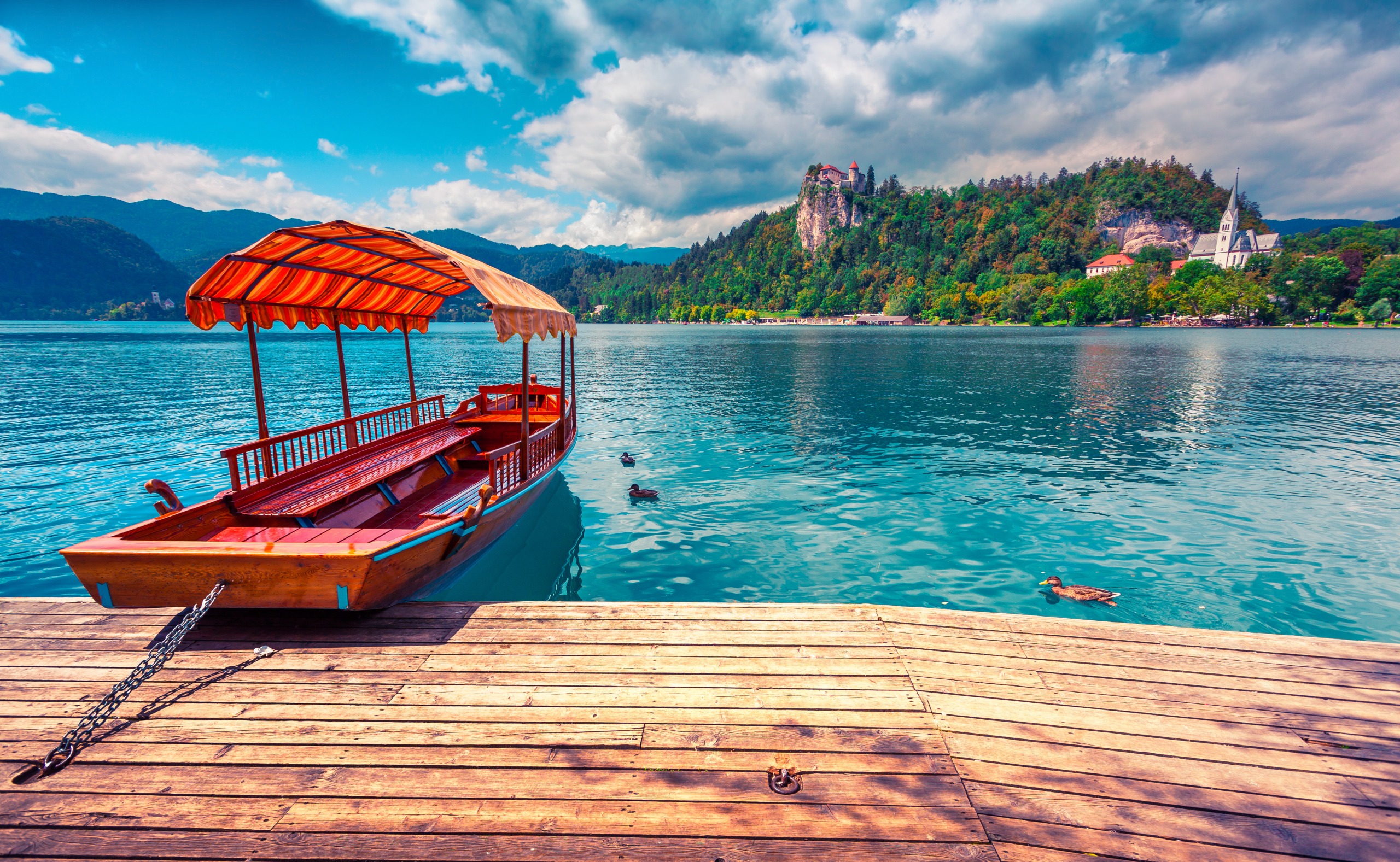
- Bled and its glacial lake, with its island and perched castle.
- Lake Bohinj, wilder, at the heart of Triglav National Park.
- Javorca, a World War I memorial in the Soča Valley.
- Kobarid Museum, dedicated to the Isonzo front.
Frequently asked questions
Frequently asked questions
Allow 1 to 2 hours for the complete round trip, including photo stops and the Šum waterfall.
No, the site is generally closed during winter months for safety reasons (frost, rockfall). Opening typically extends from spring through autumn.
No. The trail features narrow wooden walkways and steps, and is not suitable for strollers or wheelchairs.
No. Swimming and river descent within the gorges are prohibited to preserve the site and ensure safety.
During high season, online booking is highly recommended to avoid queues and guarantee an entry slot.
Integrate Vintgar into a trip to Slovénie
Vintgar Gorges combine naturally with a two to three-day stop around Bled and Triglav National Park, at the beginning or end of an itinerary. To plan a route that combines the Julian Alps, the Adriatic coast, and historic towns, consult our Slovénie travel ideas.
Interested in this visit?
We can include it in your personalised itinerary.