Lake Bohinj
Lake Bohinj
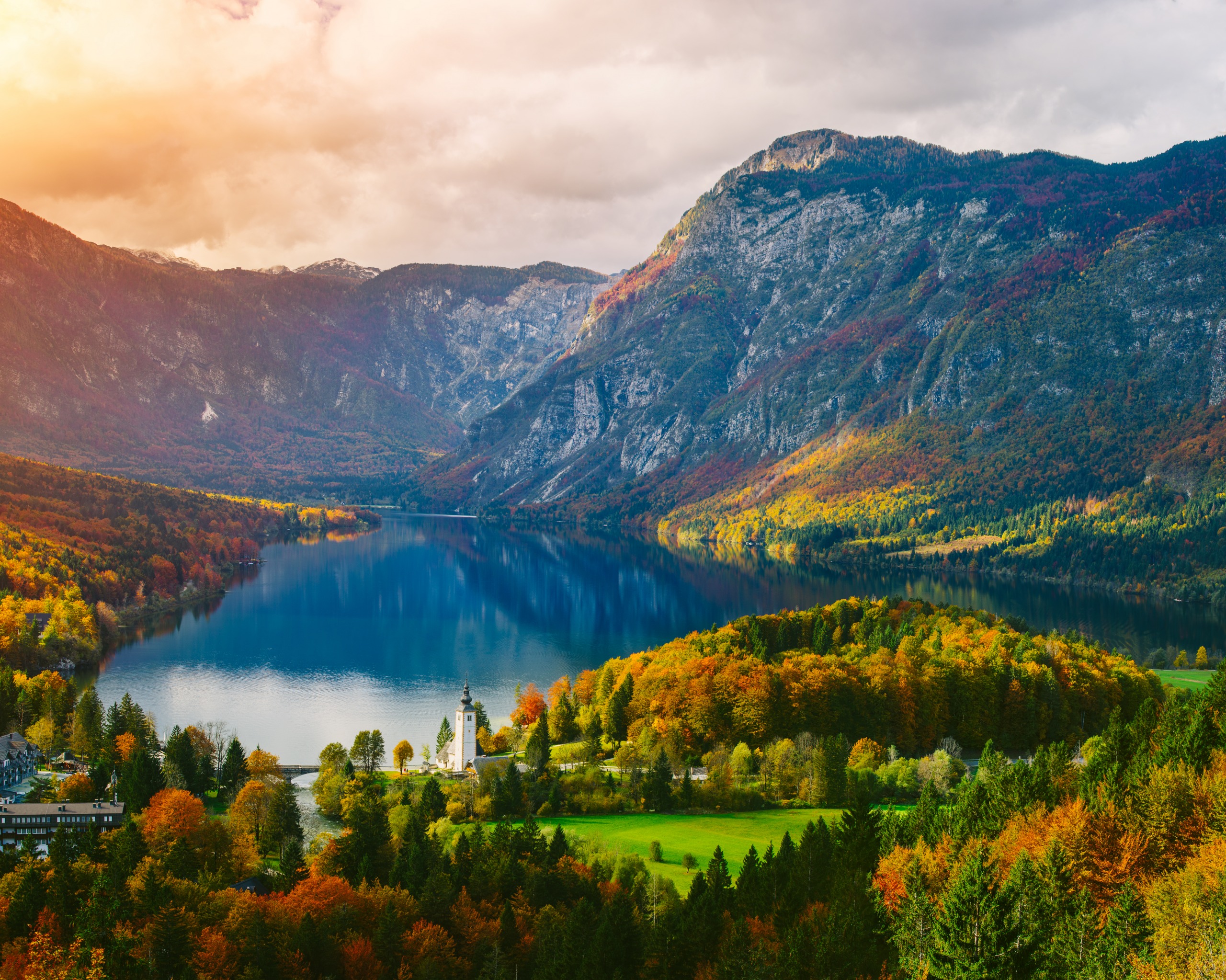
Lake Bohinj, Slovenia's largest natural lake, stretches across the heart of Triglav National Park. Crystal-clear waters, alpine forests, and towering peaks frame this pristine destination, perfect for hiking, swimming, and immersing yourself in the Slovenian wilderness.
Lake Bohinj is Slovenia's largest natural lake, cradled in the heart of Triglav National Park within the Julian Alps. Unlike the busier Lake Bled, it retains a wild, unspoiled character. Its deep green waters, framed by dense forests and Alpine peaks, make it an ideal destination for hiking, swimming, and nature observation.
Quick practical information
- Access: from Ljubljana by car via Bled (approximately 90 km); regular buses from Bled to the village of Ribčev Laz, the lake's main gateway.
- Admission: lakeshore access is free; some parking facilities are paid during high season.
- Recommended duration: a full day for the lake circuit and surrounding areas; two to three days to combine hiking and excursions.
- What to bring: hiking boots are recommended for trails around the lake.
- Accessibility: shorelines near Ribčev Laz are partially accessible; forest trails remain challenging for those with mobility concerns.
What to see
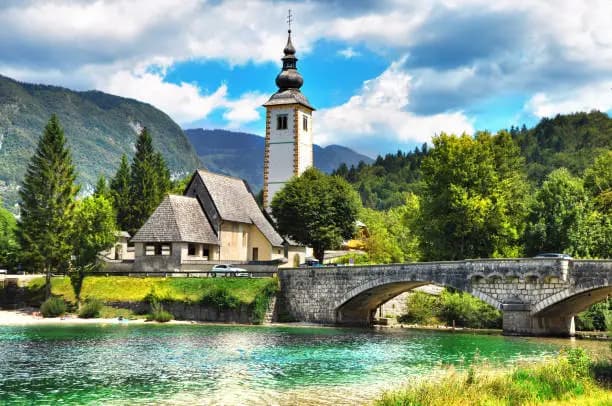
The lake stretches approximately 4.2 km long and 1 km wide. Its waters are remarkably clear, fed by the Savica River and several underground springs. The village of Ribčev Laz, at the eastern end, is home to the Church of St. John the Baptist, whose bell tower reflects in the lake—one of Slovenia's most photographed images. To the west, the hamlet of Ukanc marks the trailhead to Savica Waterfall.
History and context
Lake Bohinj is glacial in origin, carved during the last ice age. The Bohinj valley was inhabited since antiquity; during the Middle Ages, it fell under the jurisdiction of the bishops of Brixen. The Church of St. John the Baptist, dating from the 14th century, testifies to this long human presence. The region was incorporated into Triglav National Park in 1981, Slovenia's first and only national park.
Highlights of your visit
The lake circuit on foot
A marked trail circles the entire lake in three to four hours. It alternates between shaded shorelines, alpine meadows, and sweeping views of surrounding peaks. The less-crowded northern shore offers the most pristine panoramas.
Savica Waterfall
From Ukanc, a trail leads in approximately forty minutes to Savica Waterfall, which plunges nearly 78 meters into a rocky canyon. It is one of the most spectacular waterfalls in the Slovenian Alps. Admission is required.
Vogel cable car
From Ukanc, a cable car ascends to the Vogel ski resort. In summer, it provides access to exceptional panoramas of the lake and the Julian Alps, as well as high-altitude hiking trails.
Church of St. John the Baptist
Built in the 14th and 15th centuries, this Romanesque and Gothic church preserves remarkable medieval frescoes. It stands on the lake's edge, connected to the shore by a stone bridge. Its silhouette is iconic to the valley.
Swimming and water sports
In summer, the lake warms sufficiently for swimming. Designated beaches exist near Ribčev Laz and Ukanc. Kayaking, stand-up paddleboarding, and fishing are also popular on the lake.
Photography tips
Morning light, before crowds arrive, is ideal for photographing the lake and Church of St. John the Baptist. The southern shore, facing north, offers sharp reflections in windless conditions. In autumn, the forest colors framing the lake are particularly photogenic. No known photography restrictions exist on the shores; inside the church, inquire locally.
Location and access
Lake Bohinj lies in the Bohinj valley, west of Bled, within Triglav National Park. The village of Ribčev Laz, at the lake's eastern end, is the main access point. Regular buses connect Bled to Ribčev Laz. By car, the route from Ljubljana passes through Kranjska Gora or Bled. Parking can be limited during peak summer season.
Nearby attractions accessible from the lake:
- Lake Bled — approximately 30 kilometers east, accessible by bus or car.
- Savica Waterfall — at the lake's western end, accessible from Ukanc.
- Vogel Resort — accessible by cable car from Ukanc.
In the surrounding area
- Lake Bled — Slovenia's most famous Alpine lake, complete with an island and a castle perched on the heights.
- Vintgar Gorge — spectacular gorge carved by the Radovna River, near Bled.
- Triglav National Park — vast protected wilderness encompassing the lake and surrounding Alpine peaks.
- Kranjska Gora — renowned Alpine resort, gateway to the Vršič Pass.
Frequently asked questions
Summer (June-August) is ideal for swimming and hiking. Spring and autumn bring fewer crowds and especially vibrant landscape colors. In winter, the valley is snow-covered and Vogel operates as a ski resort.
Yes, swimming is permitted and popular in summer. Designated beach areas exist near Ribčev Laz and Ukanc. The water remains cool even in midsummer due to the elevation.
It is possible to visit Bled in the morning and Bohinj in the afternoon, or vice versa, by car or bus. Plan for approximately 45 minutes of travel between the two lakes. However, a single day remains brief to fully enjoy both sites.
The complete trail (approximately 12 km) requires good fitness and proper footwear. The immediate surroundings of Ribčev Laz are accessible to families with strollers and those with mobility concerns.
Shoreline access is free. Some parking facilities are paid during high season. Savica Waterfall and the Vogel cable car charge admission.
Yes: kayaking, stand-up paddleboarding, and fishing (with permit) are possible. Motor-powered boats are prohibited, preserving the lake's serene character.
Interested in this visit?
We can include it in your personalised itinerary.