The Alpine Dairy Farming Museum
The Alpine Dairy Farming Museum
In Stara Fužina, housed in an 1883 cheese dairy, the Alpine Dairy Farming Museum traces transhumance and Bohinj's cheese-making heritage.
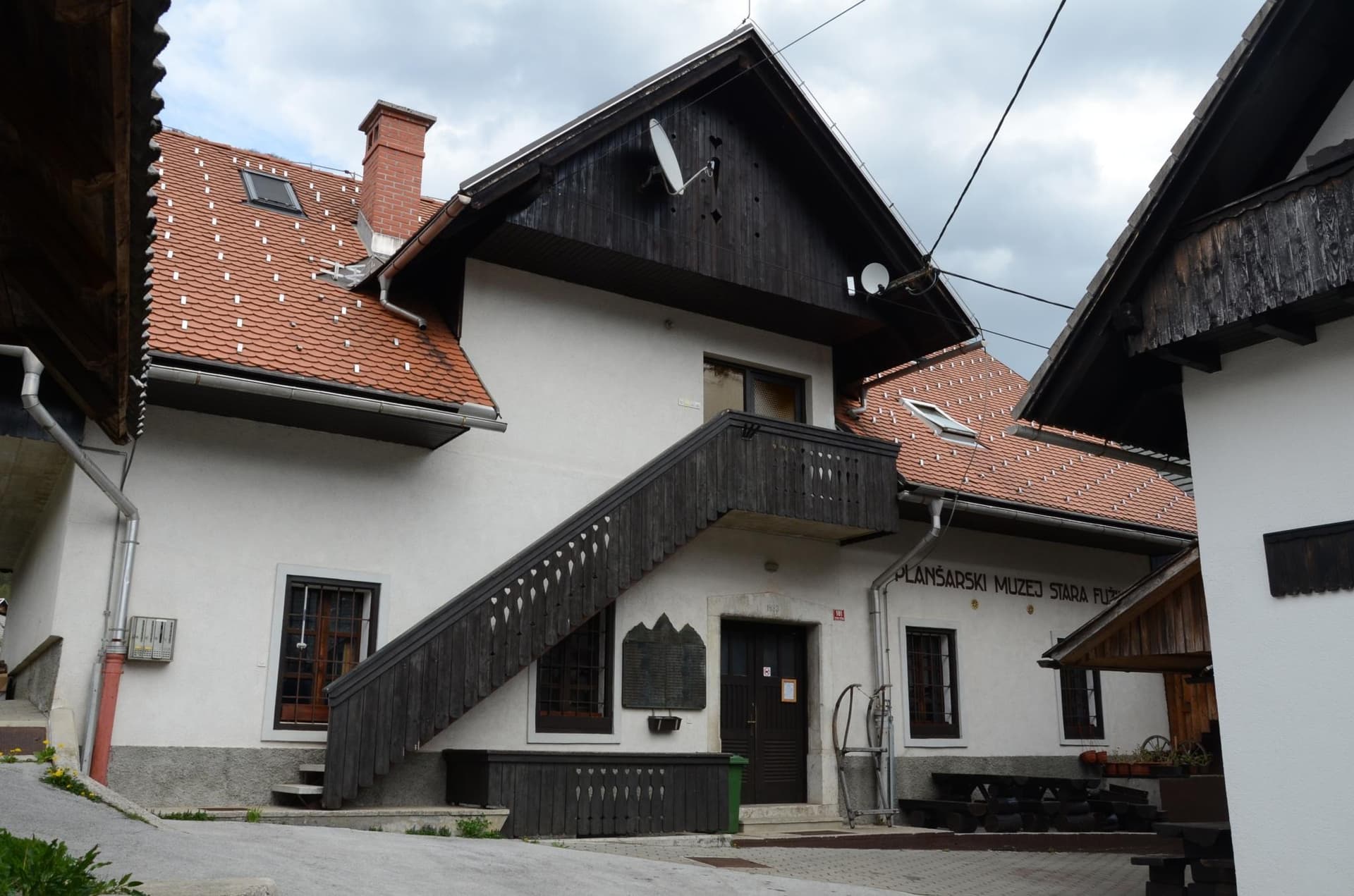
The Alpine Dairy Farming Museum occupies a former village cheese dairy in Stara Fužina in the Bohinj valley, now transformed into an exhibition space. Its four rooms trace several centuries of transhumance, cheese-making, and pastoral life in the Triglav National Park. A brief visit, yet rich in period artifacts, it reveals how Bohinj became Slovenia's principal center for alpine dairy farming.
Why visit this museum
The museum appeals to three audiences. Travelers curious about rural history will find a clear narrative on transhumance and the birth of Slovenian cheese cooperatives. Lovers of alpine ethnography appreciate the reconstructed shepherd's hut and original cheese-making tools. Finally, those exploring the shores of Lake Bohinj have access to a sheltered cultural stop—useful in overcast weather or as a transition between hiking expeditions in the Triglav massif.
The building itself is an exhibition piece: a village cheese dairy built in 1883, which operated until 1967 before becoming a museum in 1971. The collection was expanded in 1990 and retains its local character, free from excessive museographic display.
History: from transhumance to the cooperative
For centuries, Bohinj was Slovenia's most important center of alpine dairy farming. The valley's rhythm followed the herds: shepherds drove cattle to high pastures from May to mid-July, climbing gradually, then descended from September through early November. Milk and butter, produced in mountain huts, were largely shipped to Trieste, then a major commercial outlet for alpine producers.
Collective organization changed everything around 1873 with the introduction of a cheese cooperative and Swiss-style cheese production. Output expanded: by 1958, twenty-eight Bohinj alpine pastures still produced cheese. In the 1970s, a second cooperative was established under the initiative of Janez Mesar, priest of Bohinjska Bistrica. Shortly after 1971, a modern dairy factory in Srednja vas centralized production, marking the gradual end of village cheese-making. The Stara Fužina dairy, which had produced cheese until 1967, was then transformed into a museum.
What to see in the four rooms
Room 1 — The alpine hut
The first room reconstructs an alpine wooden cabin, its interior taken from the pastoral settlement of Zajamniki and dated to 1849. Inside are the minimal furnishings of shepherds, the hearth arrangement, and typical storage of these seasonal dwellings.
Room 2 — The cheese workshop
This is the most densely packed room. The old workshop preserves two cheese cauldrons with integrated rennet vats and a cheese press. Notable is a large suspended cauldron hung from a pivoting wooden beam, from the Blato mountain dairy, along with milk bowls, butter churns, and display cases of shepherd equipment. Photographs and historical documents explain the organization of cheese production and transport to the valley.
Room 3 — Pastoral architecture
The third room presents, through numerous photographs, typical Bohinj alpine buildings and high-altitude dairy huts. This section showcases the diversity of construction styles across different pastures.
Room 4 — Shepherds and early representations of Triglav
Here you'll find portraits of shepherds who herded cattle for over forty years in Bohinj pastures. The room also holds the oldest known representation of Triglav, a 1776 copper engraving depicting the Velopolje and Bohinj alpine meadows.
Practical information
- Visit duration: plan for 45 minutes to 1 hour 15 minutes depending on your interest in museum details.
- Admission: modest entry fee, typical for a small Slovenian ethnographic museum.
- Languages: panels in Slovenian with standard English translations; companion booklet helpful.
- Accessibility: historic building across two levels; limited access for those with mobility restrictions.
When to visit
The museum operates mainly in high season, from late spring through early autumn, as with most Triglav National Park sites. Outside this period, opening hours are reduced and it's wise to check with the Bohinj tourist office before visiting. Late summer and early autumn, corresponding to the herds' return from the alpine pastures, give special resonance to a visit.
How to get there
The museum is located in Stara Fužina, about 1 kilometer northeast of Lake Bohinj, accessible by:
- foot from Ribčev Laz in 15 to 20 minutes via the lake shore and the Mostnica bridge;
- bicycle from neighboring Bohinj villages, via the valley's marked trails;
- car, with limited parking in the village (prefer Ribčev Laz lots in high season);
- local bus from Bohinjska Bistrica and the lake, with a stop at Stara Fužina.
Nearby attractions to combine
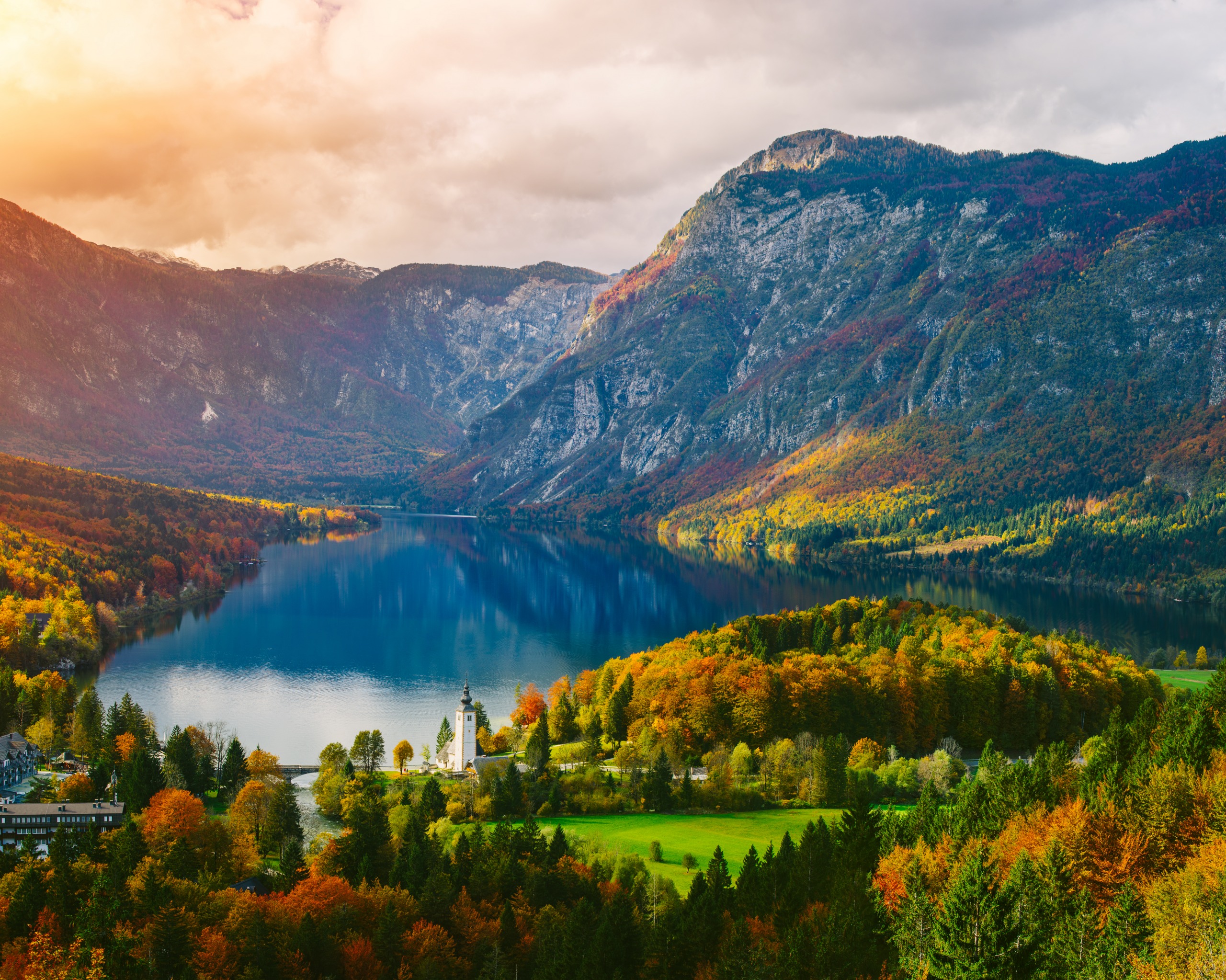
- Lake Bohinj and the trails along its north shore, a few minutes' walk away.
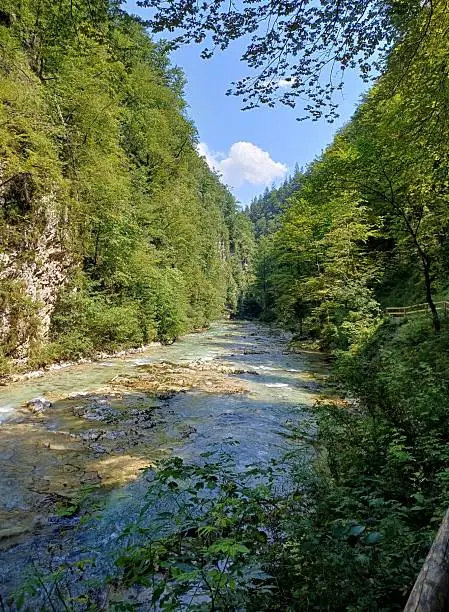
- The Mostnica Gorge, accessible from Stara Fužina itself.
- The Triglav National Park and its historic pastures mentioned in the museum.
- The Soča valley with Kobarid Museum and Javorca, to extend a history and heritage itinerary.
Frequently asked questions
To integrate this museum into a complete Slovenian itinerary, consult our Slovenia journeys and design a route linking the Triglav pastures, the Soča valley, and the Adriatic coast.
Interested in this visit?
We can include it in your personalised itinerary.