Ptuj
Ptuj
Slovenia's oldest town, Ptuj brings together a medieval castle, UNESCO carnival, thermal spas and the country's oldest wine cellar. Our complete guide.
With red-tiled roofs, a castle, tower, church and river weaving through its landscape, Ptuj is a truly enchanting gem of Central Europe. Reputed to be Slovenia's oldest documented town, this dream destination will enrich your travels with historical and cultural discoveries. Moreover, the aquatic park and wellness center at Terme Ptuj promise exceptionally relaxing and escapist moments. Since the town is wonderfully nestled in a wine region, enhance your stay in Ptuj with a gastronomic and wine experience by sampling the excellent white wines of the area. Rich in stories, tourist monuments and a relaxation hub, Ptuj is the ideal tourist destination for discovering eastern Slovenia.
Why Ptuj?
… because Ptuj is Slovenia's oldest town, which means: plenty of fascinating historical and cultural monuments to explore. As one of the country's 11 urban municipalities, the city sits downstream from Maribor, in the traditional region of Styria (Lower Styria). This medieval borough spans an area of 66 km² and is home to 23,525 inhabitants (according to the 2012 census). Centered around the Drava River, Ptuj overlooks a vast valley.
… because the town holds the gold label Slovenia Green Destination. Indeed, Slovenia is the ultimate green destination. Several of its destinations have made efforts toward sustainable and ecological development to obtain this prestigious label. This award is based on quality and sustainability assessments recognized internationally.
… because Ptuj is also the heart of the Kurentovanje Carnival, one of the world's most colorful carnivals. It is a traditional ethnographic procession where kurents reign supreme. These beings are said to be demons haunting winter, inviting the spring to the land. During the carnival, young people dress as kurents wearing traditional sheepskin clothing, adorned at the waist with large cow bells and beautifully embroidered scarves. They also carry wooden clubs to which hedgehog skins called "ježevke" are attached—the noise from these is meant to "chase away winter." The distinctive nature of these kurent costumes (one of the symbols of Slovenian identity) has been recognized by UNESCO. In 2016, the Kurentovanje Carnival was ranked the world's 7th largest carnival by Lonely Planet. In 2017, the tradition itself (notably the kurents' door-to-door processions) was inscribed on UNESCO's Intangible Cultural Heritage list.
… because the town's tourist attractions are irresistibly compelling and cater to all tastes
History
Being Slovenia's oldest town, Ptuj can boast a rich past. Traces of the earliest settlements date back to the Stone Age. Evidence of Celtic populations marks the Iron Age. The city truly flourished under the Roman Empire. It began with the establishment of a Roman military camp—the legio XII Gemina—on the Drava's banks. Then in 69 AD, Vespasian was proclaimed emperor. That same year, the first written mention of Ptuj appeared in the historical record.
On the opposite bank, a village called Poetovio developed. The name derives from Emperor Trajan, who established a colony called "colonia Ulpia traiana Poetovio" on the territory. The temples dedicated to the cult of Mithras around the village earned it considerable renown in antiquity.
It was in 977, following the fall of the Roman Empire, that Ptuj officially became a city. The Drava River was its greatest asset for river commerce. Crafts flourished here as well. Ptuj became one of Europe's most important commercial centers, rivaling London and Paris of our era. When monastic orders established themselves there, they built two important monasteries in Ptuj (Dominican and Franciscan).
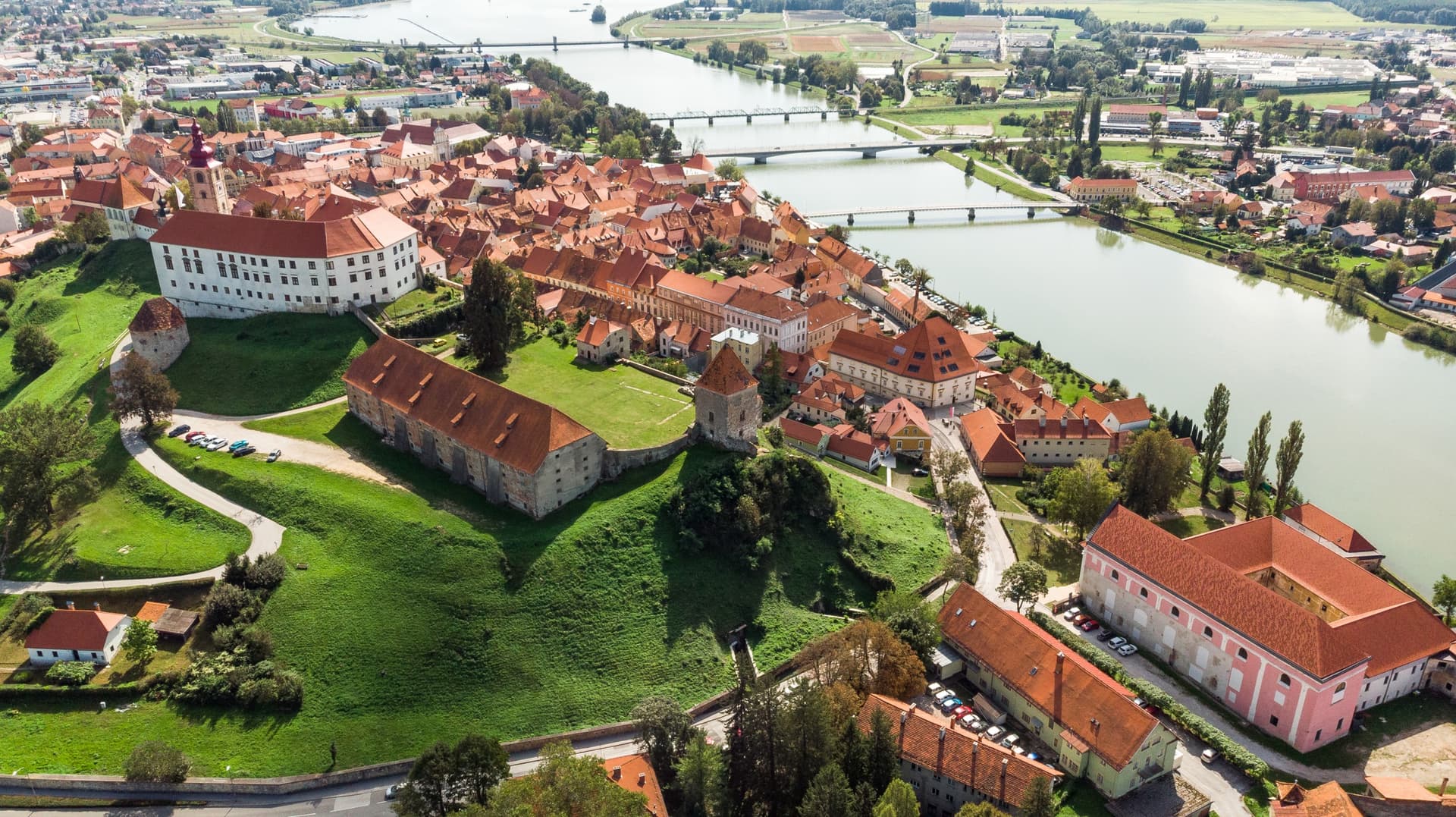
Today, Ptuj has become a tourist destination charmingly surrounded by vineyards stretching gracefully along the wide Drava River. The castle on the hillside, the Dominican and Franciscan monasteries, and the Drava below create a distinctive, triangular silhouette unique in Europe.
What to See in Ptuj?
Ptuj Castle
The town's greatest gem, Ptuj Castle sits atop a hilltop. One of Slovenia's most beautiful castles, it offers the finest panoramic views of the entire town. From here, you can admire the old town with its iconic red-tiled roofs that characterize this medieval city, as well as its cobblestone streets. The fortress was built in the mid-12th century to protect against Hungarian aggressors. It was later reconstructed in the 18th and 19th centuries.
Since 1945, the castle's interior has been converted into a museum, including the Ptuj-Ormož regional museum where you can admire various collections.
The Ptuj Tower
Called Mestni Stolp in Slovenian, the Ptuj Tower stands proudly in the center of town, at the heart of Slovenski Trg Square. It is topped with an onion-shaped roof, an elegant red baroque dome.
Notably, the tower has only three clocks despite its four facades. The side facing the castle has no clock. When the castle lords refused to contribute to the tower's construction, the townspeople decided to leave that facade without a clock as a protest. Roman reliefs are embedded at the tower's base, evoking the Roman era.
While you're on Slovenski Trg Square, take a look at the Town Hall. This yellow building is also one of Ptuj's most prestigious structures.
The Orpheus Monument
It stands right at the base of the Ptuj Tower. The Orpheus Monument is actually a Roman tombstone erected in the 2nd century in honor of Marcus Valerius Verus, first mayor of Poetovio (Ptuj's former name). The marble monolith stands 5 meters high and was used in the Middle Ages for public punishments—hence the visible holes in its lower section. The monument is distinguished chiefly by ornamental representations of scenes from the myth of Orpheus.
The Franciscan Monastery
During your journey through Slovenia, you can also admire the ancient stones of the Minorite Monastery, one of the most important buildings in medieval Ptuj's city center. It boasts a sumptuous inner courtyard with arcades and its Gothic Saints-Peter-and-Paul Church. Built in the 13th century, it suffered severe damage from fires and wartime bombardment. It was later restored. Today, the Franciscan Monastery houses a library with a collection of over 5,000 books, some dating back to the 16th century.
The Dominican Monastery
Blending baroque and gothic styles, this monastery distinguishes itself from its counterpart, the "Franciscan Monastery," with its striking pink exterior adorned with white wall decorations. The building was constructed in 1230 west of Ptuj by Methildis, widow of Frederick III of Ptuj. After welcoming Dominican monks, the monastery was dissolved in 1785 and became a military barracks. From the early 20th century to today, it hosts cultural events on one side while its finest halls have been converted into a museum. Tourists especially appreciate the superb views of the Drava River from the monastery's park. If you wish to visit the monument, plan your visit between April and October, when it's open.
St. George's Church
You'll be astounded by the superb architectural blend of this building. Romanesque, baroque and gothic styles converge on this Slovenian marvel to impress visitors. This diversity stems from the building being enlarged multiple times.
Dating to the 12th century, St. George's Church sits east of the Slovenski Trg Square. Its interior is even more stunning thanks to the statue of its patron saint, St. George triumphant over a dragon. Also contemplate the magnificent three-winged altar by Laib, crafted by German painter Konrad Laib.
The Sanctuaries of Mithras
We should also mention the Sanctuaries of Mithras, dedicated to an Indo-Iranian deity. Archaeology enthusiasts will venture across the river to discover the altars, foundations and cult images in these remains.
What to Do in Ptuj?
Attend the Kurentovanje Carnival of Ptuj
This is the perfect opportunity to immerse yourself in Slovenian culture in the town of Ptuj. This folk event is undoubtedly Slovenia's most popular and is celebrated every year at the end of winter. It lasts around ten days until Mardi Gras. You'll find yourself in a town in full celebration with enchanting bursts of color. There will be numerous events in the streets, culminating in the Kurents' parade—you'll recognize them by their sheepskin costumes and distinctive ethnographic masks. This will be an enriching cultural experience that will undoubtedly enhance your Slovenia vacation.
Relax at Ptuj's Thermal Spas
Terme Ptuj is the ideal place to unwind with family and savor quality relaxation time together. Located along the Drava River, near the Grand Hotel Primus, the thermal resort combines both a wellness center and aquatic park.
At Terme Ptuj, you can enjoy spa treatments inspired by ancient Rome. Its thermal waters are highly recommended for treating sports-related pain and muscle injuries. They also have positive effects on the respiratory system.
The aquatic park features both outdoor and indoor pools, water slides, a lazy river and a wave pool—delighting both young and old.
Walks, Hikes and Cycling
To make the most of your stay in Ptuj, take a lovely walk along the Drava in the early evening. Taking in the air in this part of Slovenia's oldest town will transport you elsewhere.
The starting point of the Ptuj hiking trail is just a few steps from the city center. This route is defined by idyllic rolling landscape dotted with vineyards and orchards. Beneath the castle, you can also see the town's vineyard.
Set off to discover Ptuj's picturesque hinterland. It's a unique opportunity to explore the slopes of Slovenske gorice, Slovenia's largest hill. You can also cycle through the Haloze hills while getting some exercise (biking) to stay fit. It's worth noting that in summer, bike rentals at Ptuj's Tourist Information Center (TIC) are free of charge, continuing the promotion of sustainable development efforts in green Slovenia.
Visit Slovenia's Oldest Wine Cellar
During your visit to Ptuj, seize the opportunity to experience a unique gastronomic adventure by sampling the local white wines at Ptuj Wine Cellar (Ptujska Klet in Slovenian), Slovenia's oldest wine cellar. A true treasure trove, this cellar will introduce you to "golden wine", the famous Zlata trta—the oldest Slovenian wine dating from 1917.
Also visit Osterberger's wine cellar, located in Ptuj Castle. You can wander through an entire mysterious gallery before arriving at the cellar, whose aromas will certainly delight your senses.
Birdwatch at Ptuj Lake
It's around Ptuj Lake, Slovenia's largest permanent lake, that you can get closer to nature by observing the 230 bird species in the area. You may encounter cormorants, common terns or black-headed gulls. The lake stretches 7.3 km long and 1.2 km wide—expansive enough for a discovery-filled walk.
When to Visit?
Average temperatures seem most suitable for a summer vacation between May and September, ranging between 21 to 27°C. However, these are also the wettest months, with 6 to 9 rainy days per month—nothing too severe. This shouldn't prevent you from enjoying the pools, hikes and other interesting tourist activities Ptuj offers. The remaining months (October through April) are quite cold, especially January, when temperatures can dip to -4°C.
Attractions in Ptuj
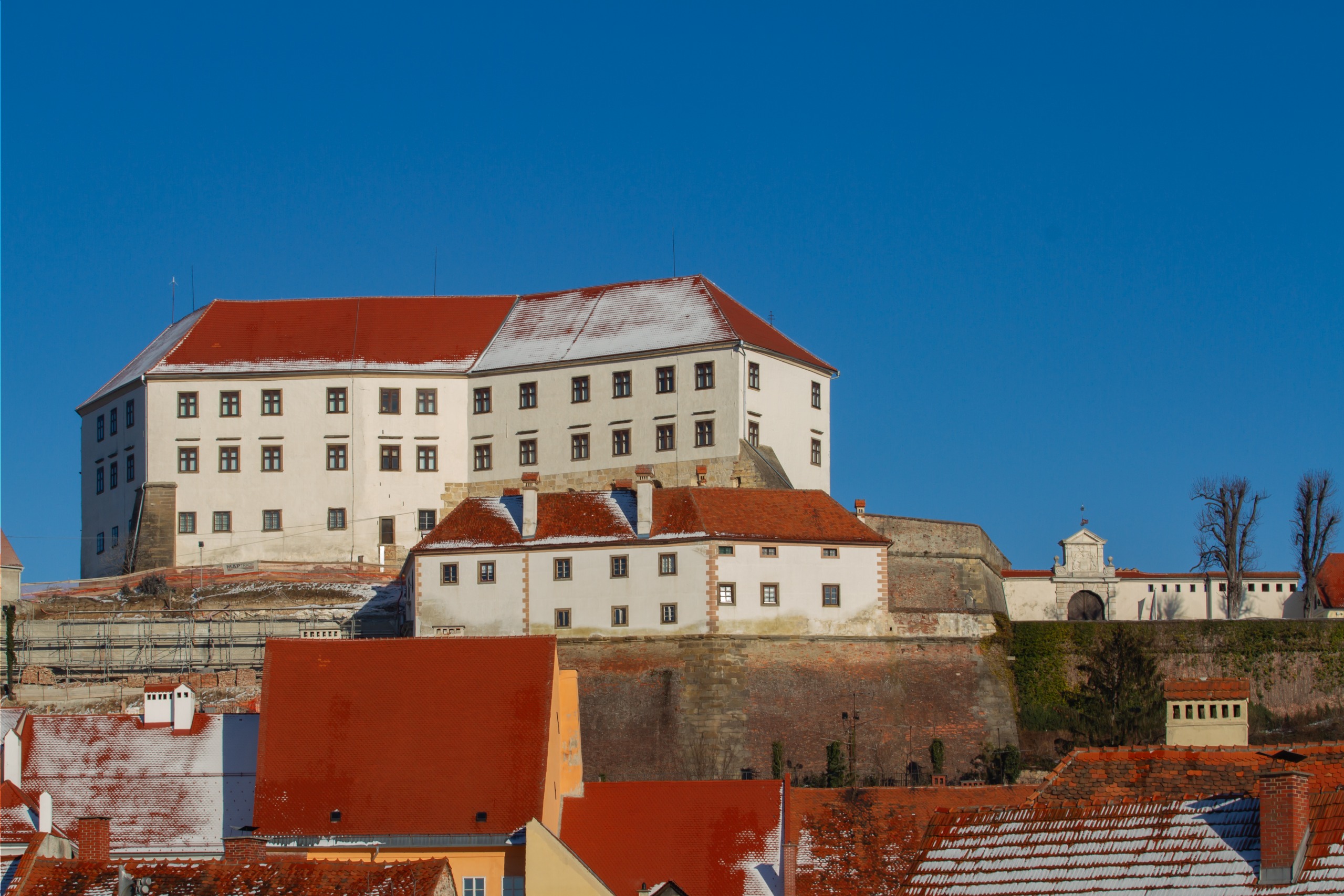
Le Château de Ptuj
Forteresse du XIIe siècle dominant Ptuj, le château abrite le musée régional, une galerie de peintures, environ 300 instruments de musique et des caves vieilles de 700 ans.
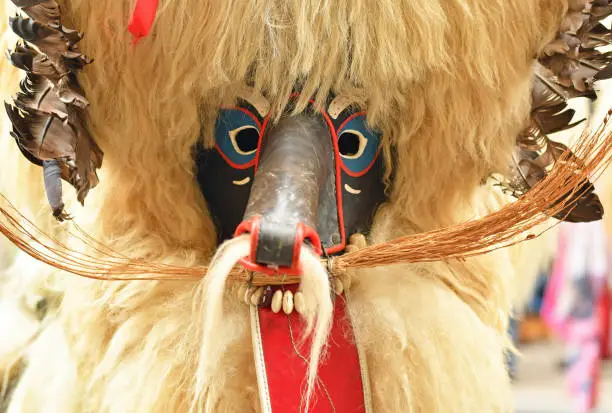
Kurentovanje
Chaque hiver à Ptuj, le Kurentovanje transforme la plus vieille ville de Slovénie en scène de carnaval. Défilés de Kurents en peaux de mouton, cloches et masques régionaux : un événement inscrit au patrimoine immatériel de l'UNESCO.
Want to discover this destination?
Our local advisors design your tailor-made trip.