Triglav National Park
Triglav National Park
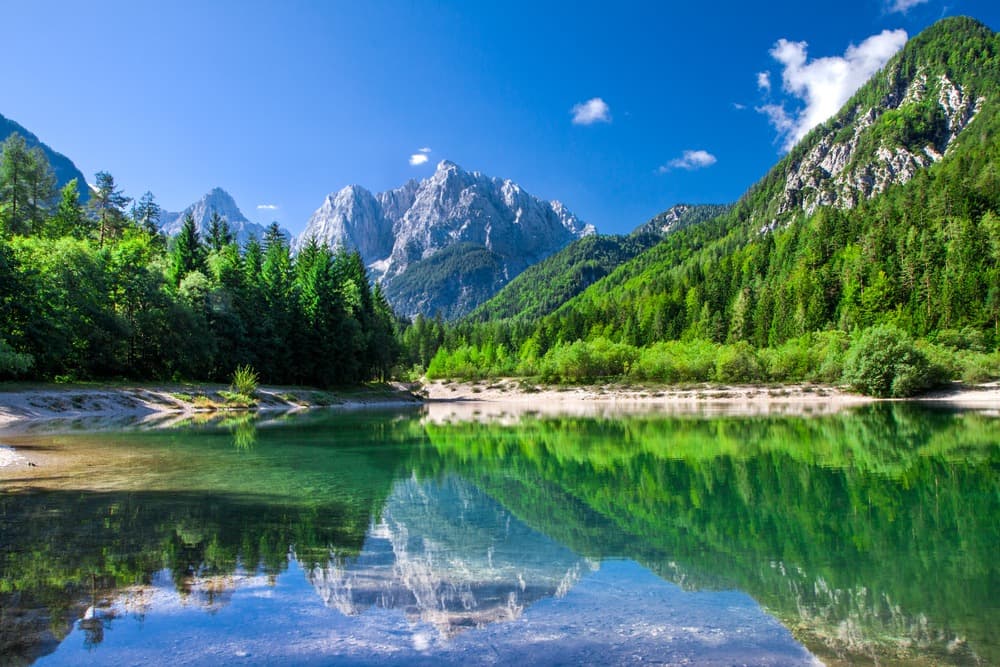
Slovenia's sole national park, Triglav protects 840 km² of the Julian Alps: Mount Triglav (2,864 m), glacial lakes, Soča valley and World War I heritage.
The Triglav National Park (Triglavski Narodni Park) is Slovenia's only protected area with this status. It covers 840 km², roughly 4% of the country's territory, and stretches across eight municipalities in the northwest, near the Italian and Austrian borders. Its name derives from Mount Triglav ("three heads"), the country's highest peak at 2,864 m, which appears on the Slovenian flag.
Why visit Triglav National Park
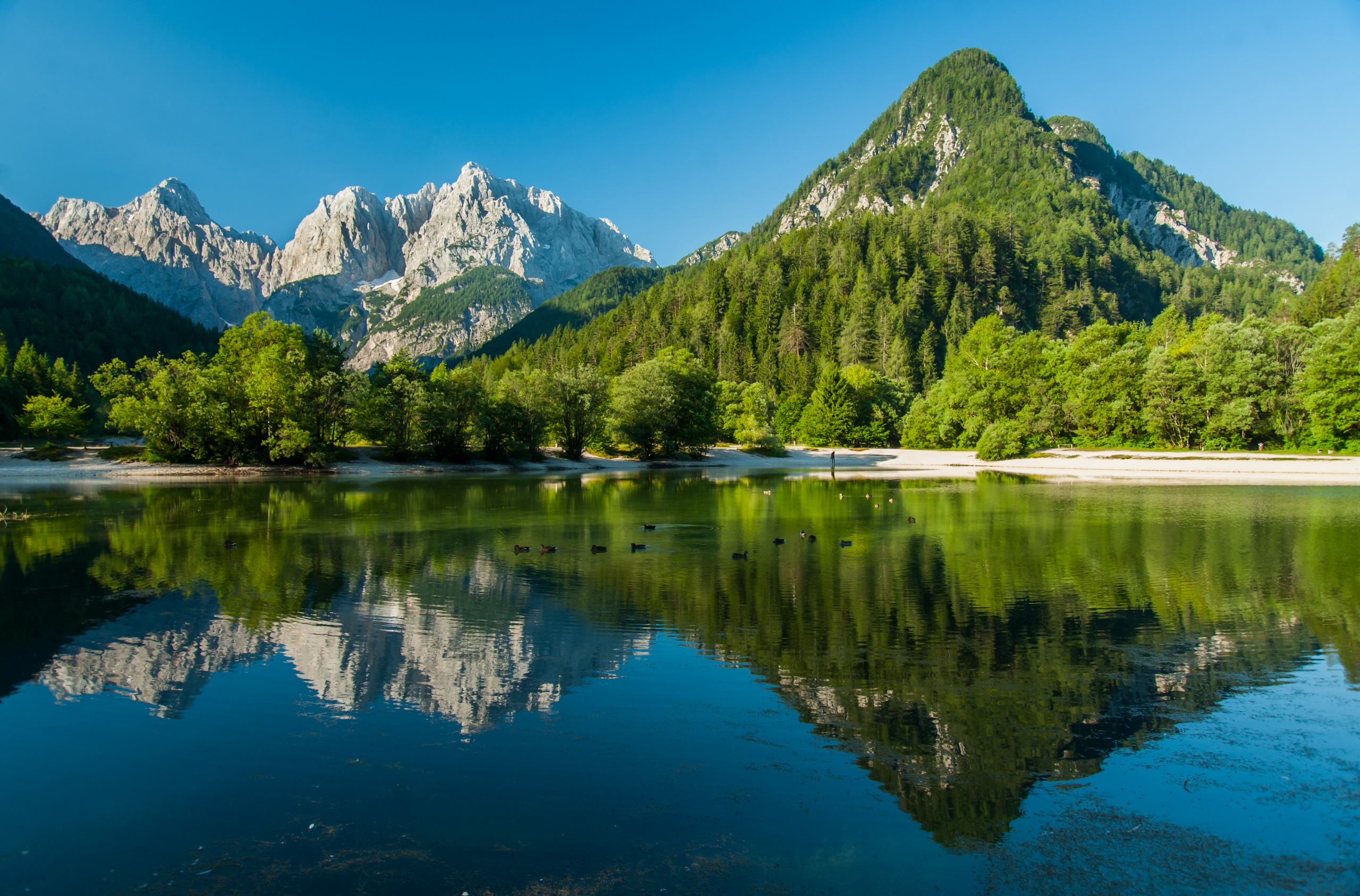
The park contains most of the eastern Julian Alps, designated a UNESCO Biosphere Reserve. You'll find peaks exceeding 2,500 m, glacial valleys, alpine lakes, narrow gorges, waterfalls and forests covering two-thirds of its surface. Landscapes vary dramatically with altitude: the lowest point sits at 180 m in the Tolminka Gorges, the highest at Triglav's summit.
The territory is home to roughly 2,300 residents spread across 25 hamlets, whose economy relies on tourism, livestock farming and crafts. The park thus combines natural interest, cultural heritage and active pastoral tradition.
Park history
The first alpine conservation zone was created in 1924 in the Triglav Lakes valley, covering 16 km². National park status was officially granted in 1961, and the current area of 840 km² was reached in 1981. When the Julian Alps became a UNESCO Biosphere Reserve, the park formed its core zone.
Management is handled by a public body based in Bled, overseen by Slovenia's Environment Ministry. Its mission combines ecosystem protection, scientific research and oversight of human activities within the territory.
What to see in the park
Mount Triglav
Regarded as a sacred mountain, Triglav is climbed by most Slovenes at least once in their lifetime: tradition holds that this ascent makes you a "true Slovene." Several routes lead to the summit; the most popular depart from Bohinj or Bled and take 2 to 3 days, with overnight refuge stays. The climb demands good fitness and high-altitude equipment.
The park boasts other remarkable peaks: Škrlatica (2,740 m), Mangart (2,679 m), Jalovec (2,645 m), Razor (2,601 m), Kanjavec (2,568 m) and Prisojnik (2,547 m).
Lake Bohinj
A glacial lake 4.2 km long and 1.2 km wide, Bohinj remains wilder and less crowded than its Bled neighbour. Its shores suit kayaking, rowing, cycling, fishing and summer swimming. It's also a departure point for numerous hikes into the Julian Alps, including the route to Planina pri jezeru lake in roughly 3 hours.
Vintgar Gorges
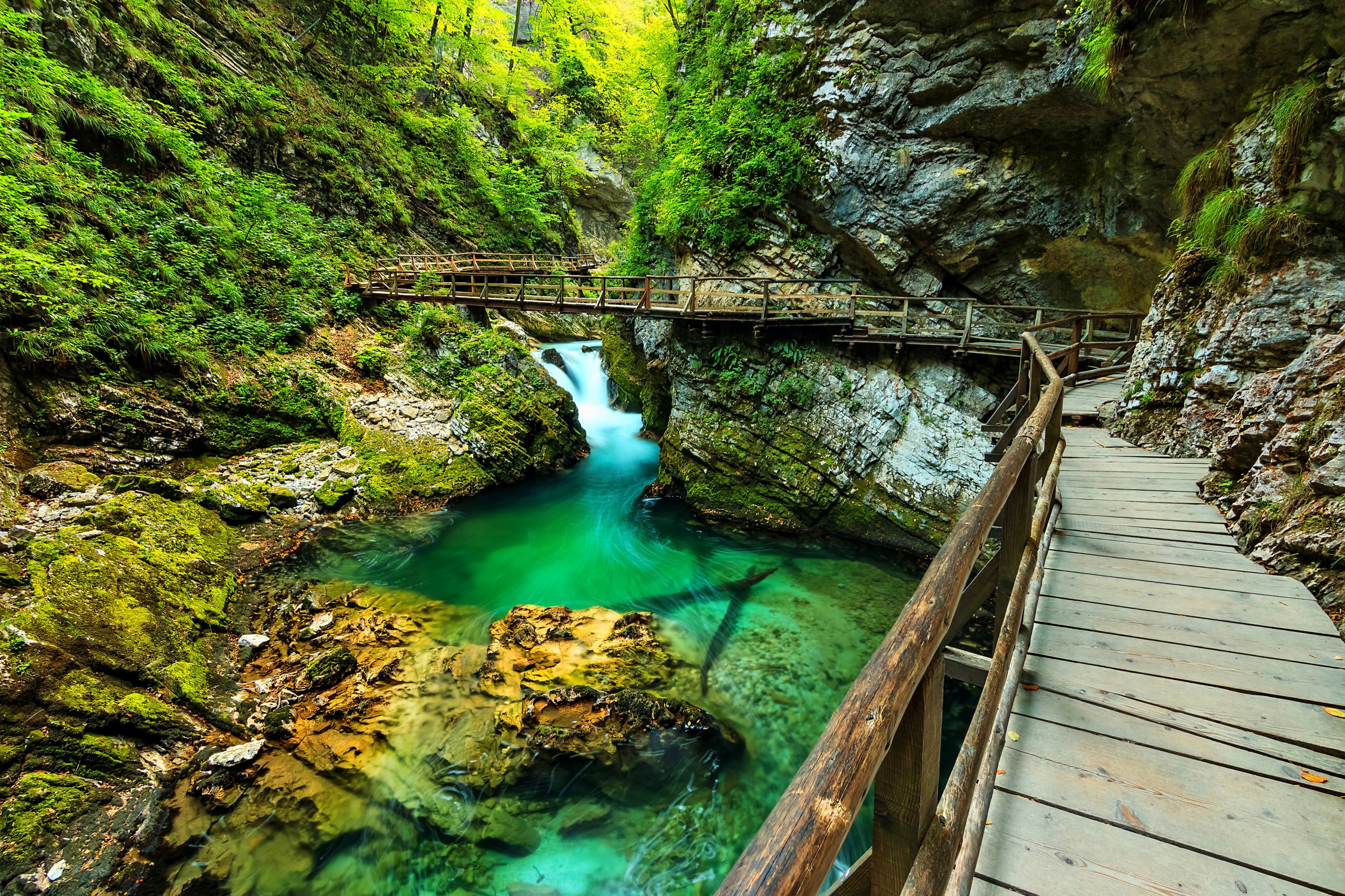
Four kilometres from Bled, the Radovna river has carved a 1.6 km gorge traversed by wooden walkways suspended above the water. The site draws heavy crowds in summer; early arrival is advised during peak season.
Peričnik Waterfall
This cascade ranks among the country's highest, with a main drop of 52 m preceded by an upper tier of 16 m. A path allows passage behind the water curtain, reachable after roughly fifteen minutes' walk from the car park.
The Soča valley and river
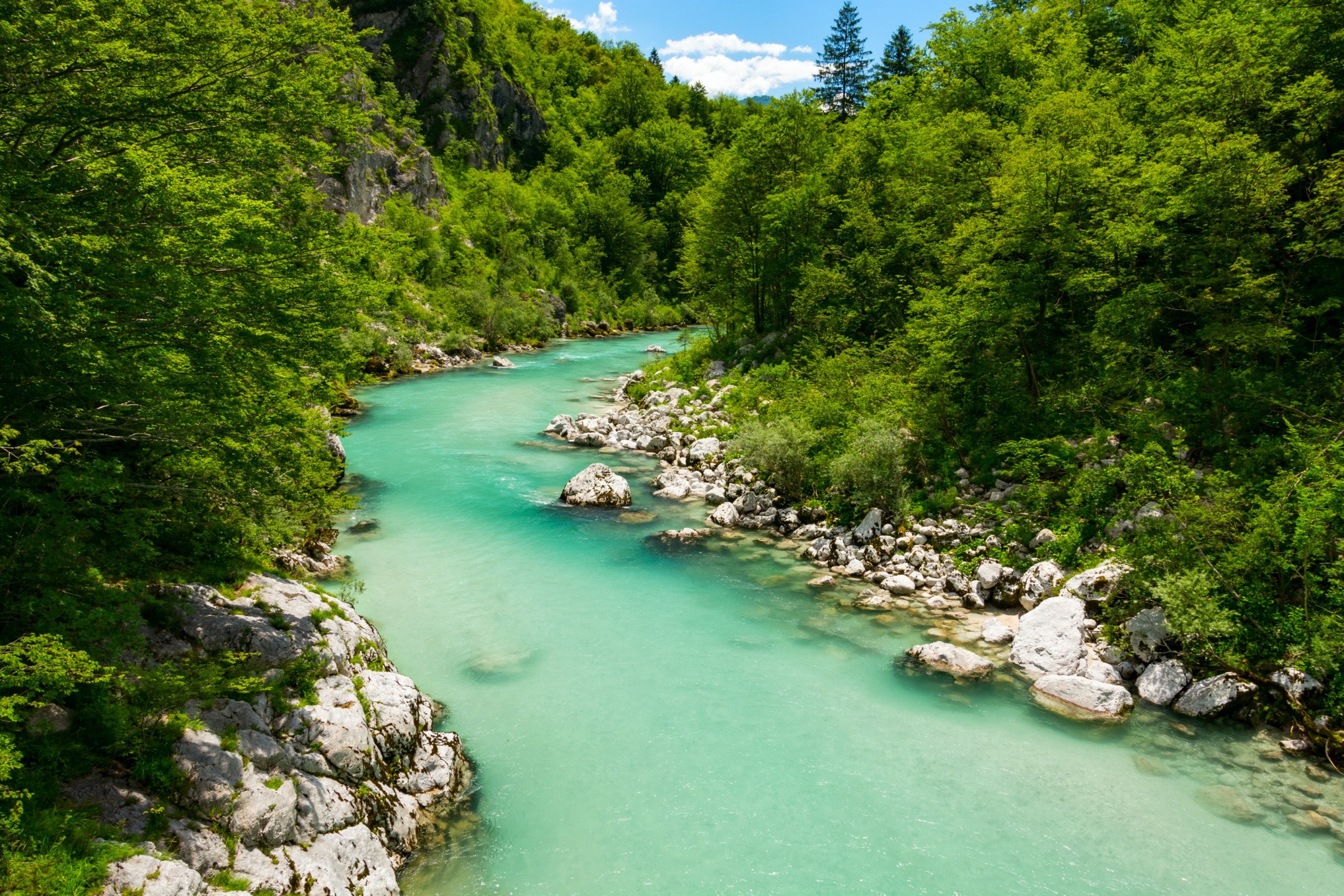
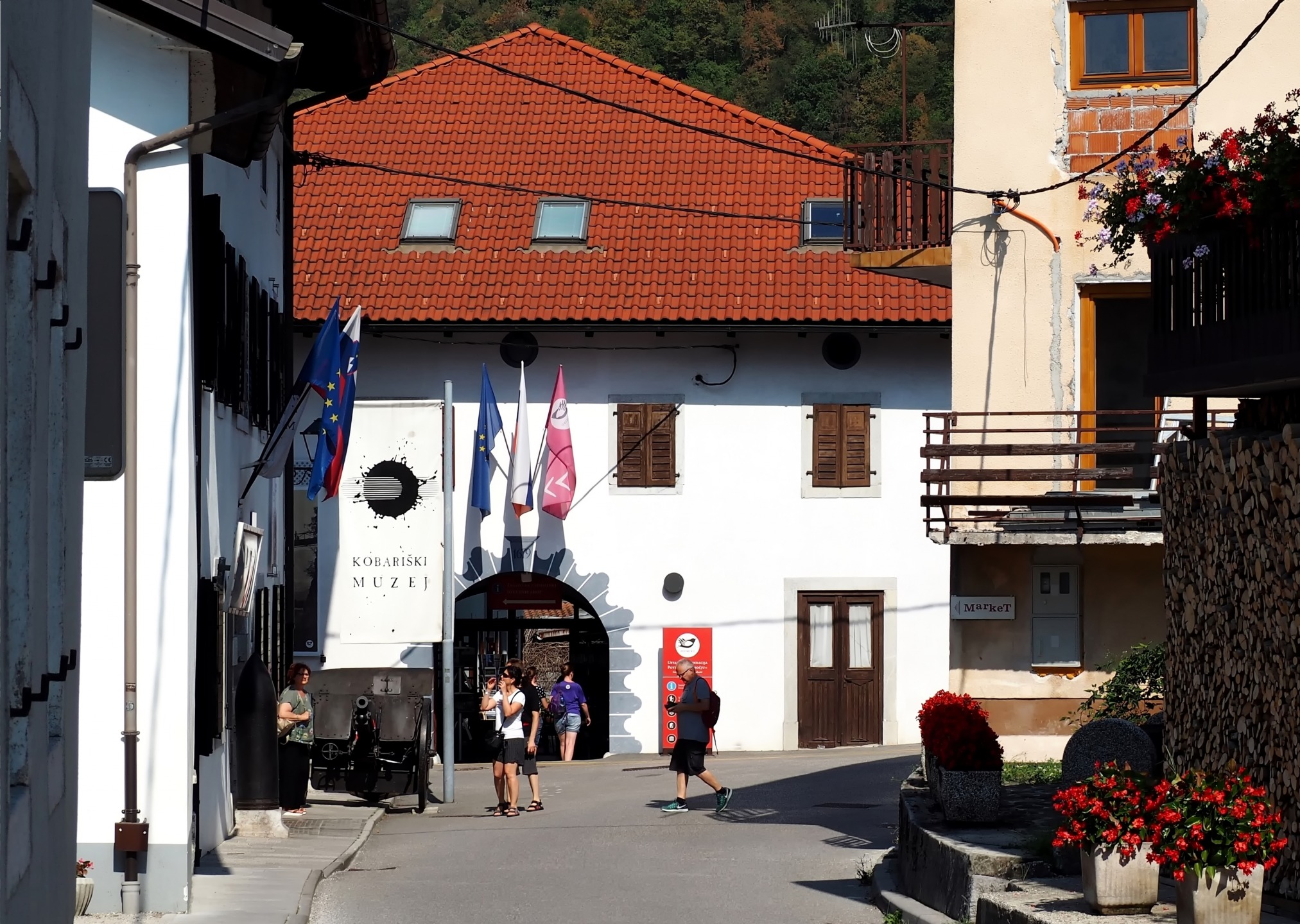
The Soča is recognisable by its blue-green colour. The valley suits rafting, kayaking, canyoning and hydrospeed. It witnessed fierce fighting between Italy and Austria-Hungary during World War I; the towns of Bovec, Kobarid and Tolmin preserve museums, themed trails and military remains.
Juliana Alpine Botanical Garden
Created in 1926 by Albert Bois de Chesne in the Trenta valley, near Pri Cerkvi, at 800 m elevation, the Juliana garden houses over 600 alpine plant species. It opens from early May through late September; check seasonal hours before visiting.
Lake Krn and peak
Lake Krn (1,391 m) is Slovenia's largest high-altitude lake. The hike extends to Krn's summit (2,244 m), scattered with World War I relics, offering sweeping views over the Soča valley.
Zelenci Nature Reserve
Near Kranjska Gora, Zelenci is a small lake fed by natural springs, designated a nature reserve in 1992. The site is reachable on foot via a short walk from the road.
Pokljuka Plateau
Less than 10 km from Bled, this forested plateau hosts a World Cup biathlon stage each winter. It's also known for the Planina Zajamniki chalets, a typical alpine hamlet exemplifying the park's pastoral landscape.
Flora and fauna
Forests cover two-thirds of the park: beeches in the south, spruces and larches in the north, complemented by dwarf mountain pines, hornbeams and ash trees. The park harbours an endemic species, Papaver julicum poppy, alongside iconic alpine flowers (edelweiss, gentians, orchids, bellflowers).
Wildlife includes brown bears, variable hares, martens, foxes, ptarmigans and otters. The site serves as a nesting zone for 84 bird species, including golden eagles, capercaillie, black grouse, griffon vultures and red-legged partridges.
When to visit
The park welcomes visitors year-round, though activities vary by season.
- May to October: hiking, Triglav ascent (typically mid-June to late September depending on refuge snowfall), whitewater sports on the Soča, cycling, Juliana garden open.
- December to March: alpine skiing at Vogel and Kranjska Gora, ski touring, biathlon at Pokljuka, snowshoeing.
Temperature-wise, expect around 20°C in valleys and 5.6°C at altitude during warm season, and -8 to 0°C in winter. Peak summer (July–August) concentrates visitors at Vintgar, Bled and Bohinj.
How to get there
By car: the park has several entrances depending on your destination — Bled and Bohinj to the east, Kranjska Gora to the north, Bovec, Kobarid and Tolmin to the west. An up-to-date map or GPS is essential.
By bus: regular services link Ljubljana to Bled, Bohinj and Bovec, the main entry gates.
By train: useful stations are Bled, Bohinjska Bistrica, Podbrdo and Most na Soči, on the so-called "Bohinj line", which crosses part of the massif.
Nearby attractions
Several sites enhance your park discovery:
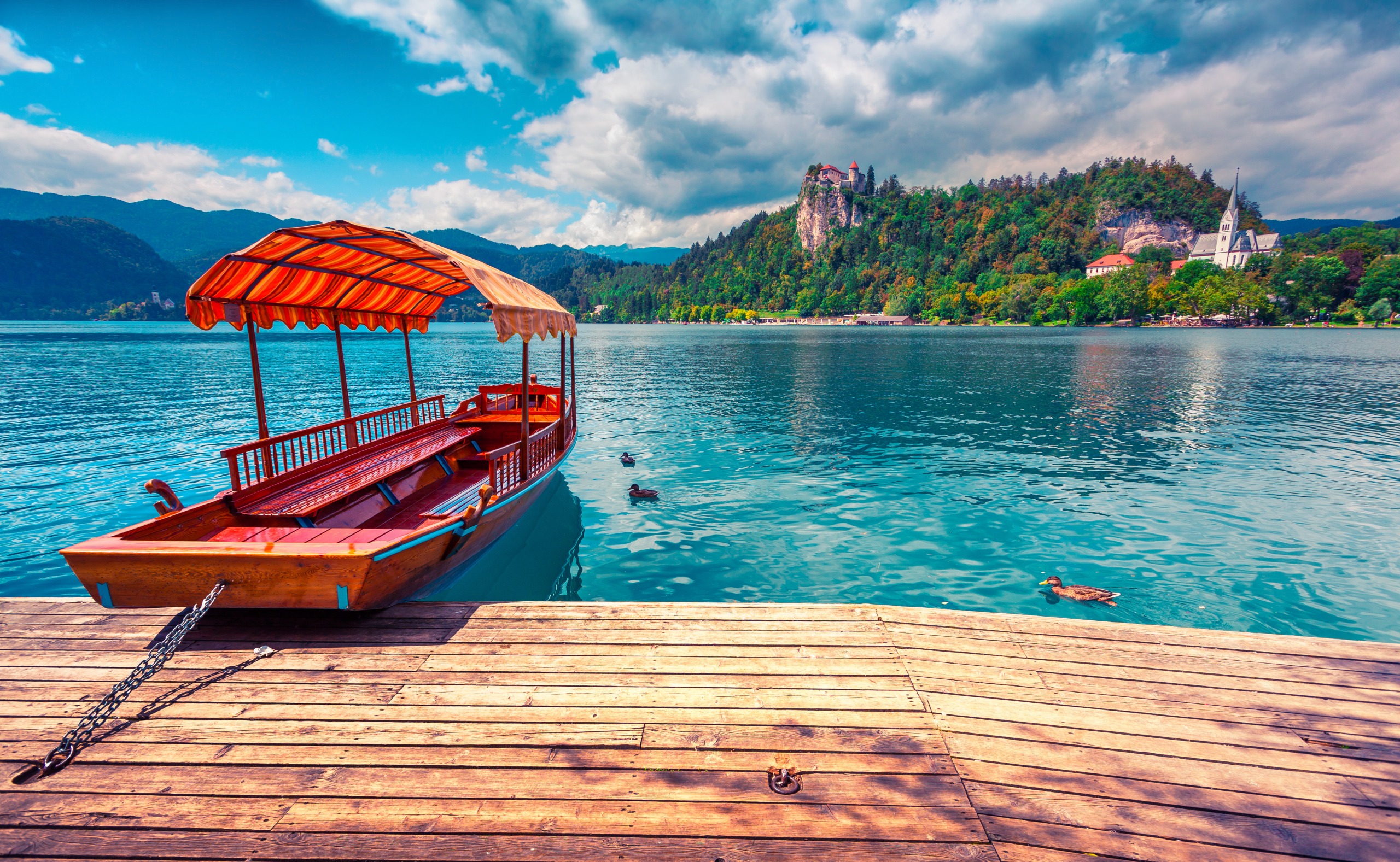
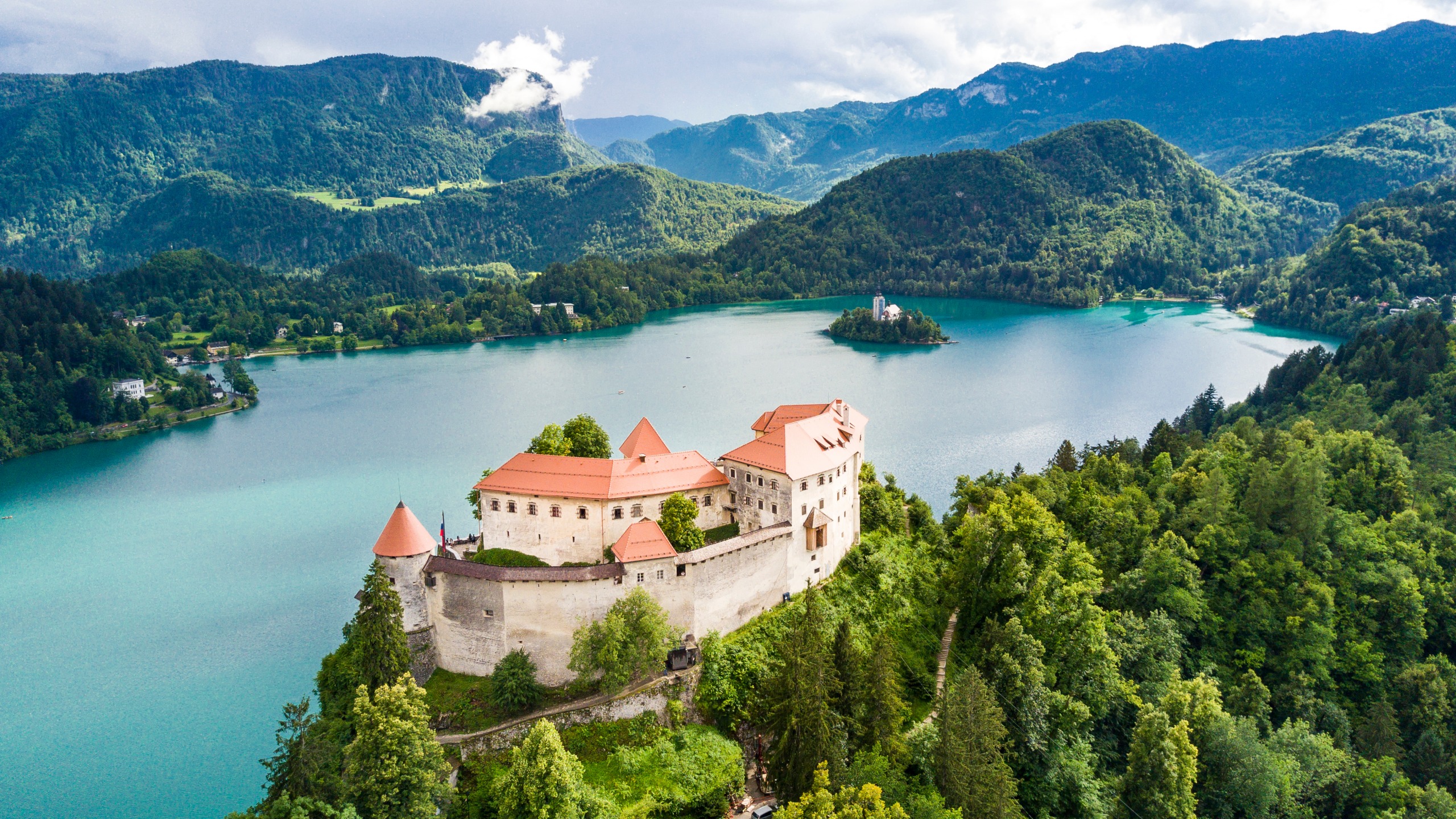
- Bled Castle, perched above the lake of the same name, in immediate proximity.
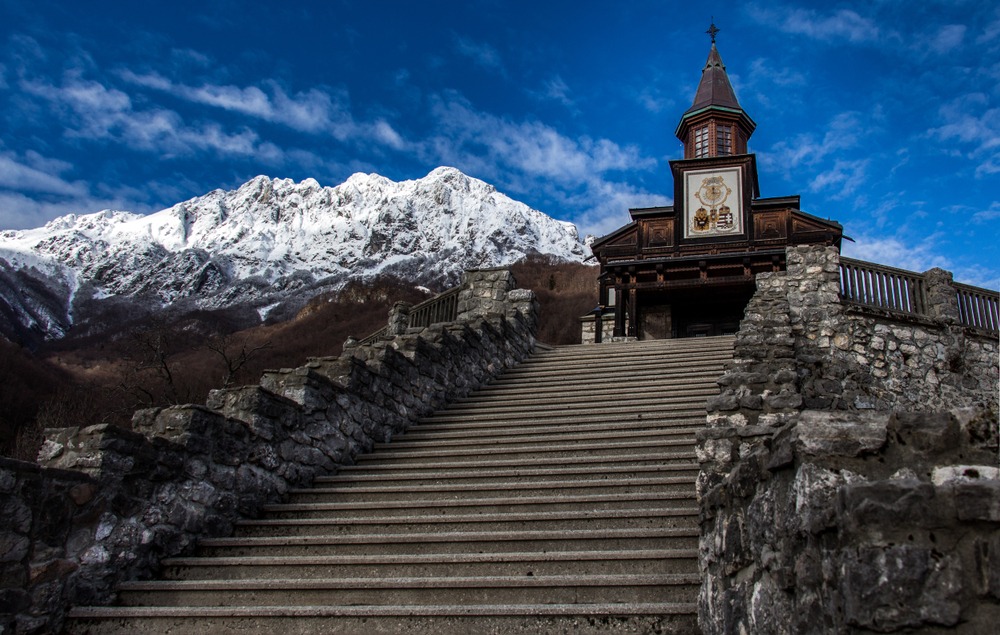
- Javorca, a World War I memorial in the Soča valley.
- In Ljubljana, Ljubljana Castle and the Dragon Bridge to extend your stay on the city side.
Frequently asked questions
Frequently asked questions
For hikers without high-altitude experience, yes. The route includes fixed-rope sections (via ferrata) requiring equipment and guidance. Local agencies in Bled, Bohinj and Kranjska Gora offer guided ascents over 2 or 3 days.
Bled and Bohinj give access to the massif's heart and the Vintgar Gorges. Kranjska Gora covers the northern section and Zelenci reserve. Bovec and Kobarid are the best camps for the Soča valley.
Partially, yes. Buses from Ljubljana and trains via the Bohinj line serve the main entry points, but a car eases access to secondary valleys and hiking trailheads.
Park access itself is free, but certain managed sites (Vintgar Gorges, Juliana garden, waterfall car parks) levy modest entry fees. Vogel cable cars and refuges are also paid.
Plan at least 3 days to combine Bled, Bohinj and a hike. A week allows you to cross the massif east to west and include the Soča valley.
Plan your trip
Triglav National Park fits readily into a larger circuit. To craft your Slovenia itinerary around Bled, Ljubljana and the Soča valley, consult our Slovenia travel ideas.
Nearby
Interested in this visit?
We can include it in your personalised itinerary.