Drava River (Drave)
The Drava stretches alongside Maribor and Ptuj, shaping vineyards, historic quarters and cycling routes across more than 100 km in Slovénie. A natural corridor between heritage and outdoor pursuits.
The Drava flows through northeastern Slovénie, entering from Austria and joining Croatia after passing Maribor, the country's second-largest city. A natural corridor between the Alps and the Pannonian plain, it shapes landscapes, vineyards and industrial heritage across several dozen kilometres. For travellers, it is first and foremost a route for walking, cycling tourism and discovering historic Maribor.
Quick facts
- Access: the riverbanks of Maribor are accessible on foot from the historic city centre, with no special transport required.
- Admission: free access to the riverbanks and cycling routes.
- Recommended duration: 1 to 3 hours for a stroll along the quays; a full day for a cycling segment.
- Cycling: marked cycle route (EuroVelo 9) runs alongside the Drava for most of the Slovénie route.
What you'll see
In Maribor, the left bank holds most of the tourist interest: the Lent, historic boatmen's quarter with its colourful 16th–17th century houses, and the Old Vine (Stara trta), officially recognised as the world's oldest vine still in production. The quays host café terraces, summer markets and the Lent festival each summer.
Beyond the city, the Drava offers wooded gorges, wetlands and artificial reservoirs that attract migratory birds and anglers.
History and context
The Drava was long a major trade route between the Alps and Hungary. The radelji—wooden rafts—floated downstream until the 19th century. Maribor owes much of its medieval prosperity to the river. In the 20th century, several hydroelectric dams altered the natural course, creating retention lakes now integrated into the landscape.
Highlights of the visit
The Lent quarter and the Old Vine
On Maribor's quays, the Old Vine (Žametovka) has been planted for over 400 years. It still produces a few kilograms of grapes each autumn, made into a limited-edition wine. The building housing it includes a small vine museum.
The EuroVelo 9 route
The European cycling itinerary EuroVelo 9 follows the Drava for nearly its entire Slovénie route. The segment between Dravograd and Ptuj, approximately 100 km, is flat, well-marked and accessible to cyclists of all levels.
Ptuj and the lower Drava
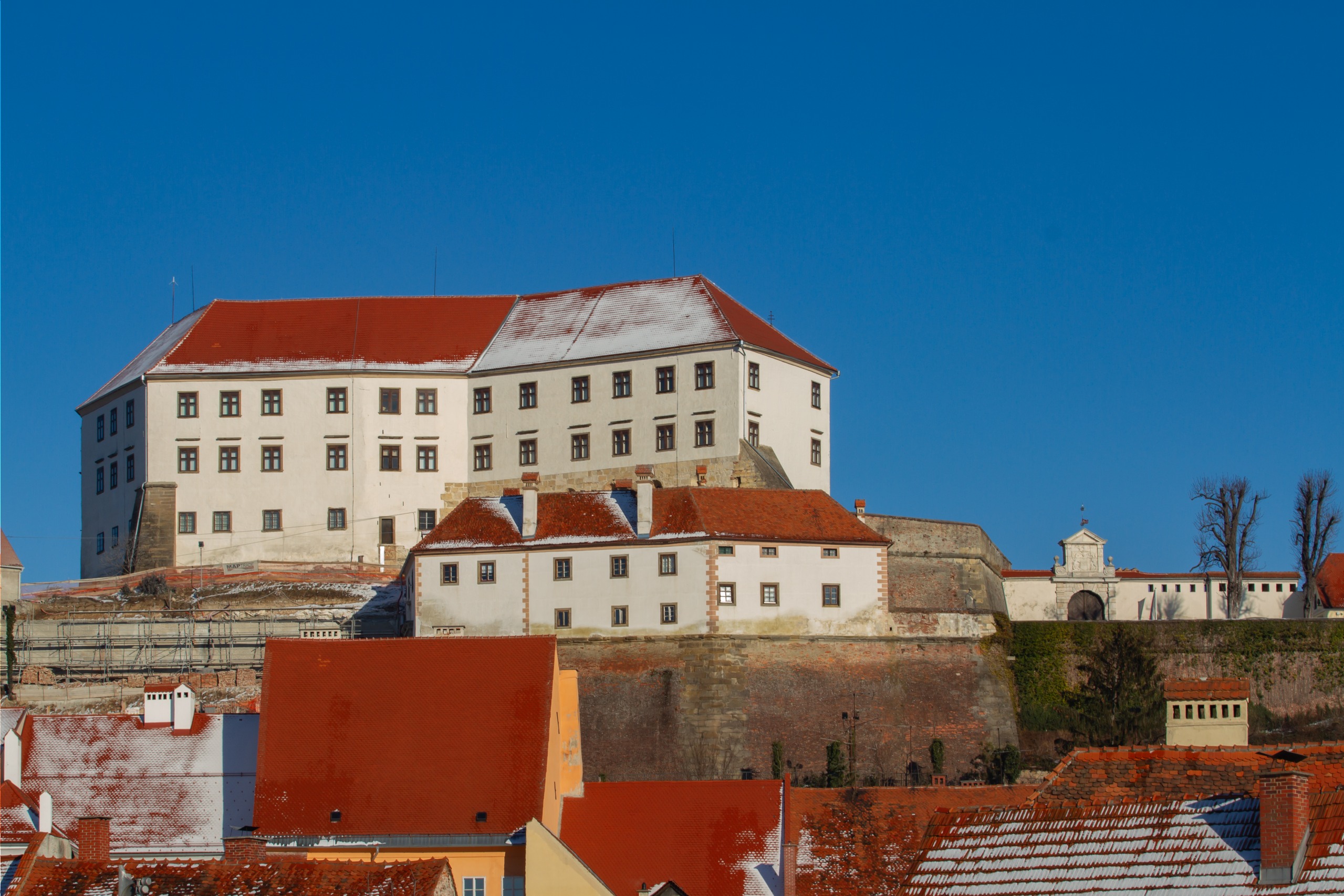
In Ptuj, Slovénie's oldest town, the Drava borders the foot of the castle hill. The view from the ramparts over the river and Pannonian plain is one of the country's most characteristic vistas.
Photography tips
In Maribor, the morning raking light on the Lent facades reflected in the Drava yields the best results. The main bridge (Most) offers symmetrical framing over the historic quarter. In Ptuj, the sunset from the castle with the river below is particularly photogenic in autumn.
Location and access
The Drava enters Slovénie at Dravograd (northwest) and leaves the country near Središče ob Dravi, having crossed Maribor and Ptuj. Maribor is connected to Ljubljana by motorway (around 130 km) and by regular train. Ptuj is accessible from Maribor by train or bus in under an hour.
The Maribor riverbanks are accessible on foot from the main square (Glavni trg) in under ten minutes. No specific accessibility infrastructure is marked along the entire route, but the Maribor quays are generally level.
Nearby attractions
- Old Vine of Maribor — the world's oldest vine still in production, on the Lent quays.
- Ptuj Castle — medieval fortress overlooking the Drava, with regional museum.
- Old Town of Maribor — historic centre a stone's throw from the riverbanks, with cathedral and water tower.
- Ptuj — Slovénie's oldest town, known for its Kurentovanje carnival.
Frequently asked questions
Spring (April–May) and autumn (September–October) offer pleasant temperatures and colourful scenery. Summer is feasible but warmer on exposed stretches.
Swimming is discouraged in the main river course due to currents. Some retention lakes downstream of Maribor offer supervised bathing areas in summer.
Two days suffice: one day in Maribor (Lent quays, Old Vine, old town), one day in Ptuj with the castle and historic centre. The two towns are connected by train.
The Slovénie section is mostly flat and well-marked, making it accessible to occasional cyclists. A few stretches away from dedicated paths use quiet secondary roads.
Bike rental shops are available in Maribor, notably near the station and city centre. Booking is recommended in peak season.
Interested in this visit?
We can include it in your personalised itinerary.