Bistra Castle
Bistra Castle
A former Carthusian monastery founded in 1255 near Vrhnika, Bistra Castle is home to Slovenia's Technical Museum and the famous collection of Josip Broz Tito's official vehicles.
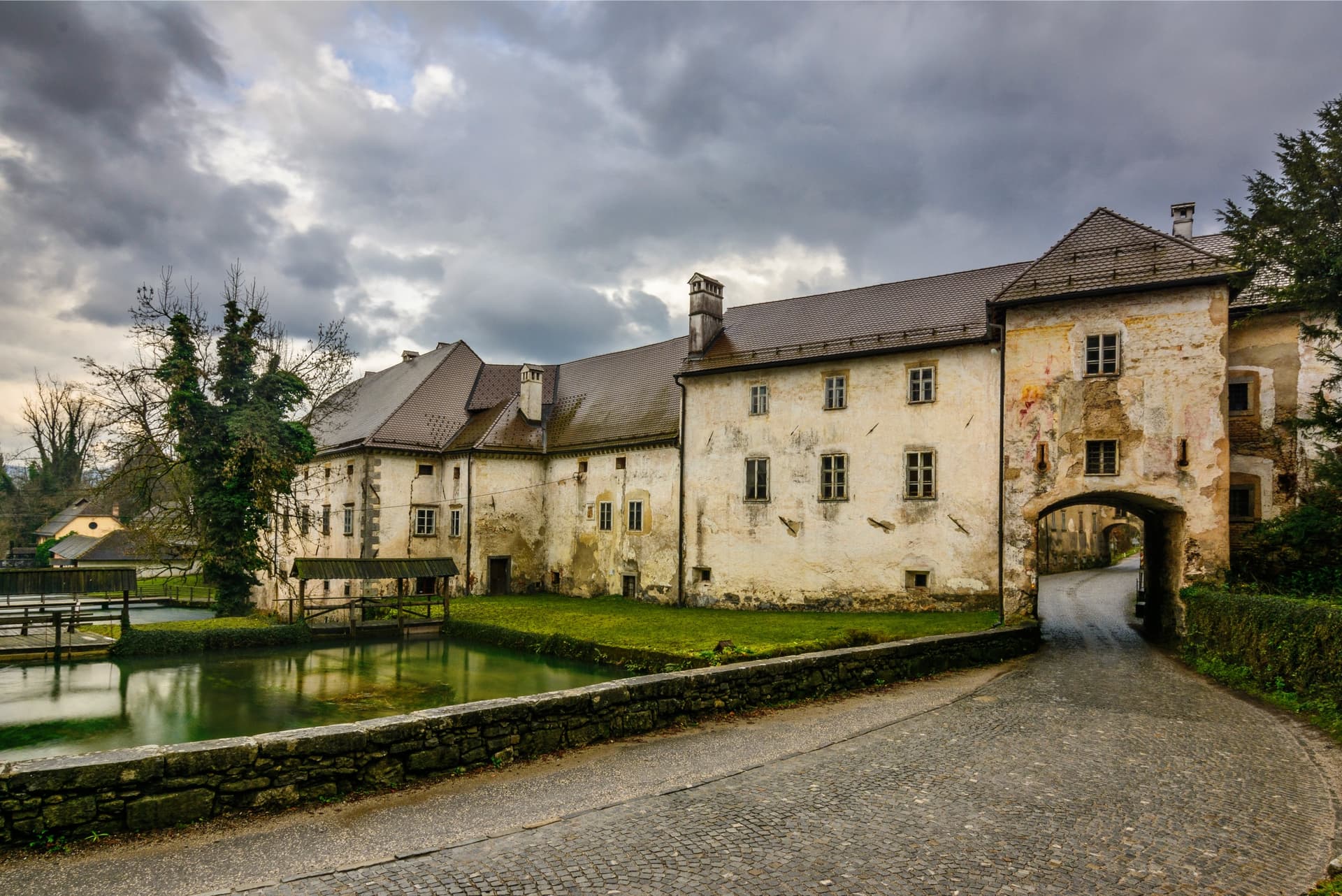
Bistra Castle is a former Carthusian monastery founded in 1255 and transformed over the centuries into an aristocratic residence and museum. Located in Vrhnika, roughly twenty kilometers southwest of Ljubljana, it now houses Slovenia's Technical Museum, one of the country's most comprehensive institutions dedicated to the history of technology, transportation, and craftsmanship.
Why Visit Bistra Castle
Three compelling reasons draw visitors to Bistra. First, the estate itself: a 6,000 m² domain of monastic buildings refashioned in the nineteenth century, surrounded by ponds, forests, and a park threaded with nature trails. Second, the Technical Museum's collections, spanning roughly a dozen domains from forestry to electrical engineering. Third, a rare centerpiece in Central Europe: the collection of Josip Broz Tito's official vehicles, former president of Yugoslavia from 1945 to 1980.
The location appeals equally to industrial history enthusiasts, families, vintage automobile collectors, and visitors seeking a verdant retreat outside the capital.
History of the Monastery and Castle
The Carthusian monastery of Bistra was founded in 1255 and became the first monastery in Carniola. The Carthusians long called it « Vallis Jucunda », rendered in German as Freudental (« the valley of joy »); the Slovene name Bistra took hold only in the late fifteenth century. Bistra was part of a network of four Carthusian houses across Slovenian territory, alongside Žiče, Jurklošter, and Pleterje.
In the fourteenth century, the monastery flourished and assembled a renowned library. The earthquake of 1670 caused severe damage to the buildings, from which they never fully recovered. A century later, Emperor Joseph II ordered the dissolution of contemplative orders: Bistra lost its religious status, and its holdings were parceled out, sold, or confiscated.
In the mid-nineteenth century, the Galle family purchased the estate and undertook the renovations that gave the site its present appearance as a residence-castle. The property was nationalized in 1945. In 1951, it was designated a cultural monument of national importance and became home to the newly established Slovenia's Technical Museum.
What to See at the Technical Museum
Permanent Collections
The museum displays its collections throughout the buildings. Departments cover forestry, woodworking, hunting, fishing, transportation, motorcycles, milling, wheelwrighting, horseshoes, electrical engineering, textiles, agriculture, and baking.
Several functioning installations merit attention: a grain mill, a water forge, a reconstructed veneer mill, and a Venetian sawmill. The site also features a recreation of hydraulic sawmills among Europe's oldest preserved examples. Ljubljana's first tram, put into service around 1901, is also on display.
Tito's Automobile Collection
Approximately fifteen vehicles that belonged to Josip Broz Tito (1892-1980) are gathered at Bistra. They are predominantly rare limousines received as diplomatic gifts:
- a Mercedes-Benz 540K from 1939, presented by Croatia's Interior Ministry;
- a Packard from 1937, said to be a gift from Stalin in 1945;
- two ZIS vehicles from 1954, gifted by Khrushchev;
- a Horch 951A, a gift from the Soviet Third Army;
- a Rolls Royce from 1952, presented by the Republic of Slovenia.
Park and Grounds
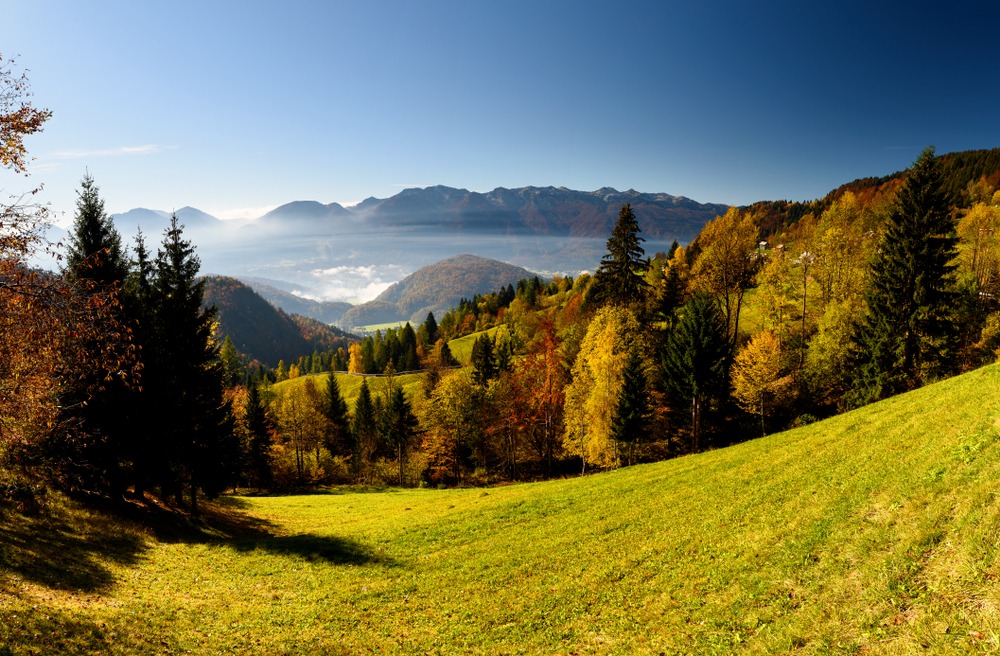
The outdoors form an integral part of the visit. A fish pond borders the access road, and a nature trail circles the museum, passing over the castle. The park is suitable for walking, cycling, and in some areas, horseback riding.
Practical Information
Plan for approximately 2 to 3 hours to explore the main collections, longer if you take time for the park and trail. The museum regularly offers temporary exhibitions, demonstrations (carpentry, lace-making, etc.), and family workshops. A gift shop complements the visit.
Admission is charged, with free entry for preschool-age children and visitors with disabilities. Prices and exact hours vary: consult the museum's official website before planning your trip.
When to Visit Bistra
The museum is open year-round, closed Mondays. Hours are more extensive during peak season (spring and summer) than in autumn and winter. To fully enjoy the park, ponds, and nature trail, choose the period from April to October. Early autumn, in September-October, offers particularly beautiful colors in the surrounding forests and moderate visitor numbers.
How to Get There
Bistra is located in Vrhnika, a municipality situated roughly 20 km southwest of Ljubljana, near the A1 motorway.
- By car: 25 to 30 minutes from central Ljubljana via the A1 then the regional road toward Borovnica. Free parking on-site.
- By public transport: buses from Ljubljana's main bus station to Vrhnika, then a local bus or taxi to reach Bistra (the castle is several kilometers from Vrhnika's center).
- By bicycle: a scenic route is possible from Vrhnika or Borovnica, pleasant in dry conditions.
Nearby Attractions
A day at Bistra pairs well with other Slovenian sites reachable in under two hours:
- The Dragon Bridge and Ljubljana's historic center, 20 km away.
- Bled Island and Bled Castle, roughly an hour's drive northwest.
- Celje Castle, further east, to continue the fortress theme.
- The Javorca memorial in the Soča Valley, for twentieth-century history enthusiasts.
Frequently Asked Questions
Frequently asked questions
Plan Your Trip
Bistra fits well into a multi-day itinerary around Ljubljana and the Julian Alps. To build a comprehensive Slovenian circuit, explore our custom journeys in Slovenia.
Interested in this visit?
We can include it in your personalised itinerary.