Kurentovanje
Kurentovanje
Every winter in Ptuj, Kurentovanje transforms Slovénie's oldest town into a carnival stage. Parades of Kurents in sheepskin, bells and regional masks: an event inscribed on UNESCO's Intangible Cultural Heritage list.
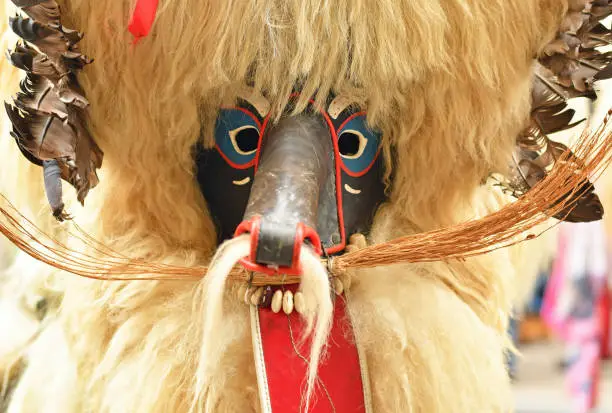
Kurentovanje is Slovénie's most famous carnival, anchored in Ptuj, the country's oldest town. Each February, the city transforms into a stage for parades of traditional masks, music and rituals inherited from pre-Christian Slavic traditions. The central figure, the Kurent, is a mythological character meant to chase away winter and call forth spring. The event attracts tens of thousands of visitors and ranks among Central Europe's most authentic carnivals.
Essential Information at a Glance
- Period: late January to early March, depending on the liturgical calendar (tied to Fat Tuesday); the main weekend varies each year
- Access: Ptuj is reachable by train from Ljubljana (approximately 2 hours) and by bus from Maribor (approximately 30 minutes)
- Recommended duration: a full day for the main parade; two days to enjoy the full program
- Entry: street parades are free; some side events (balls, shows) may charge admission
- Clothing: dress warmly — February temperatures in Ptuj often hover near freezing
What to See
The heart of Kurentovanje is the parade of Kurents: men dressed in sheepskin, wearing tall ornate bonnets with feathers, carrying bells and decorated sticks. Their ritual role is to chase away evil spirits through noise and movement. Groups from throughout Slovénie and neighbouring countries participate, each with their own regional costumes.
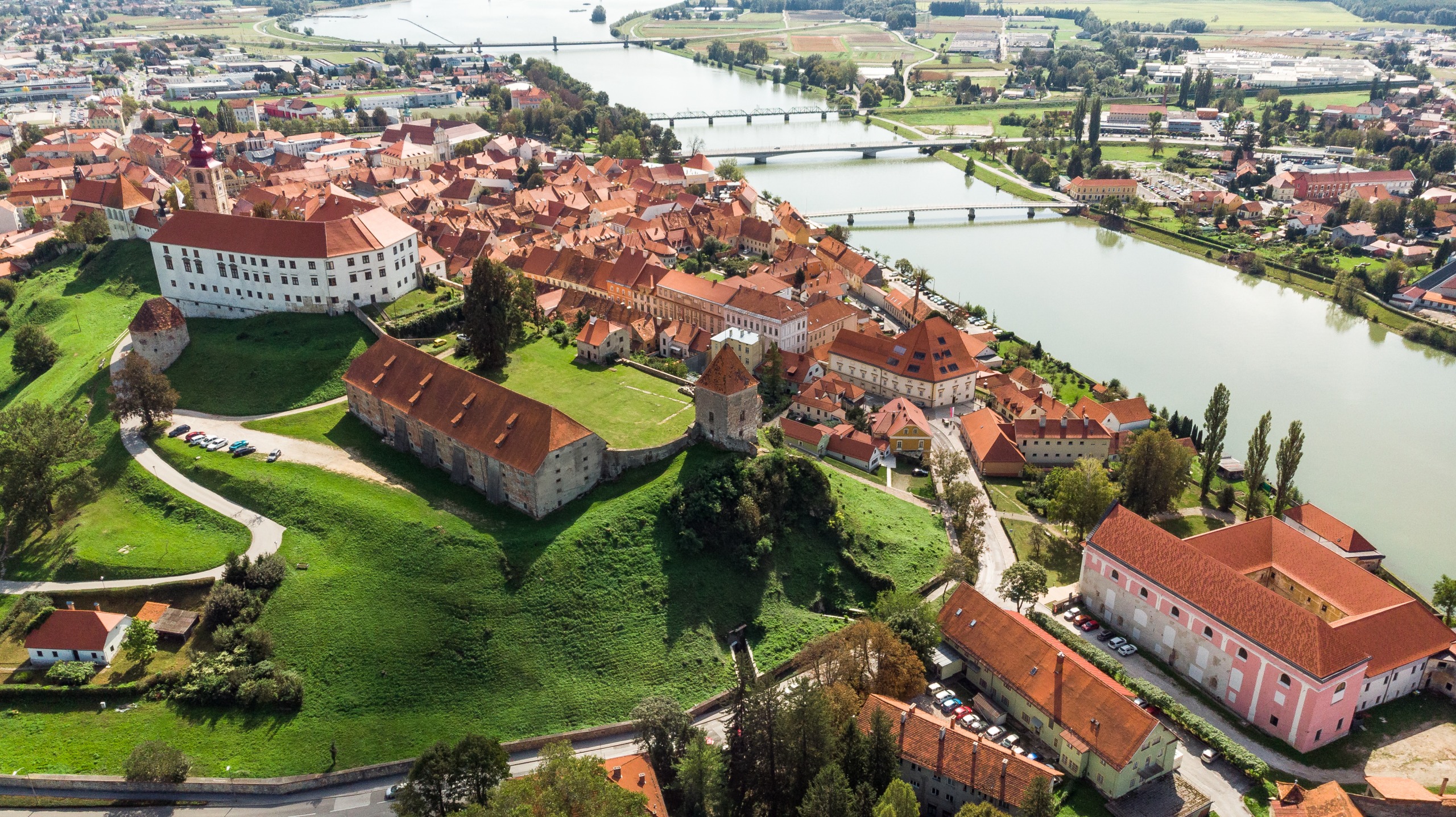
The main parade winds through Ptuj's historic centre, passing medieval facades and the castle that dominates the town from its hillside. Floats, brass bands and hundreds of different masks animate the streets for several hours.
History and Context
The Kurent is a figure from pre-Christian Slavic traditions, associated with fertility and renewal. Ptuj's carnival has perpetuated these rites for centuries, though its modern form—organized and mediatized—developed during the twentieth century. In 2017, UNESCO inscribed Kurentovanje on the List of Intangible Cultural Heritage requiring urgent safeguarding, recognizing its unique character and vulnerability to modernization.
Highlights of Your Visit
The Kurent Parade
The grand parade of the main weekend draws hundreds of costumed performers. The sound of bells, ever-present, is both surprising and captivating. Position yourself early along the route for a good vantage point.
Regional Masks
Beyond the Kurent, the carnival showcases remarkable diversity of masks from Slovénie and the Balkans. Each regional group brings its own costume traditions and choreography, making it a living panorama of Central European folklore.
Atmosphere in the Old Town
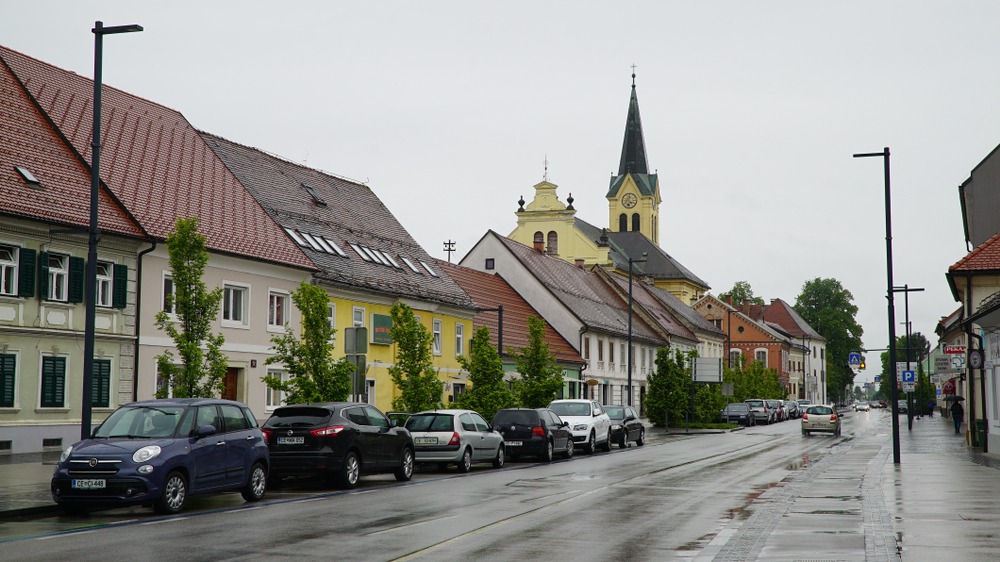
Ptuj itself deserves attention: its cobbled lanes, arcaded houses and medieval castle form a natural backdrop for the carnival. Local cafés and restaurants serve regional specialties throughout the event.
Photography Tips
Winter light is often soft and diffused, favourable for mask portraits. Approach the Kurents between crowd surges for sharp shots. Ptuj's castle in the background provides a recognizable frame. Avoid direct flash on costume wearers—some groups may refuse it.
Location and Access
Ptuj lies in northeastern Slovénie, in the Styrian region, approximately 120 km from Ljubljana and about thirty kilometres from Maribor. Ptuj railway station is within walking distance of the historic centre. During carnival, additional shuttles and trains are often arranged from Maribor.
The town centre is accessible on foot from the station. Accessibility for people with reduced mobility in the historic centre's cobbled streets is limited during parades due to crowds.
Nearby Attractions
- Ptuj Castle — medieval fortress overlooking the town, with a regional museum and views over the Drava River.
- Ptuj Thermal Springs (Terme Ptuj) — thermal complex a few kilometres from the centre, ideal for warming up after the carnival.
- Maribor Old Town — Slovénie's second city, about thirty kilometres away, with its own wine heritage and lively historic centre.
- Styrian Wine Route — terraced vineyards around Ptuj, renowned for their white wines.
Interested in this visit?
We can include it in your personalised itinerary.