Pokljuka Plateau
Pokljuka Plateau
High alpine plateau in Triglav National Park, Pokljuka blends forests, summer pastures and cross-country ski stations between Bled and Bohinj.
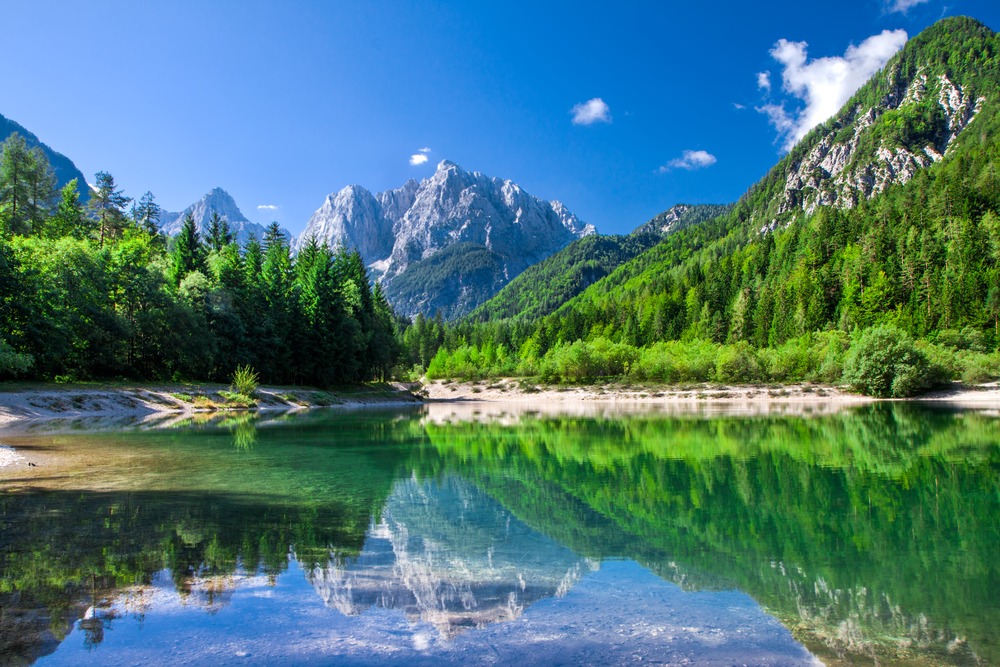
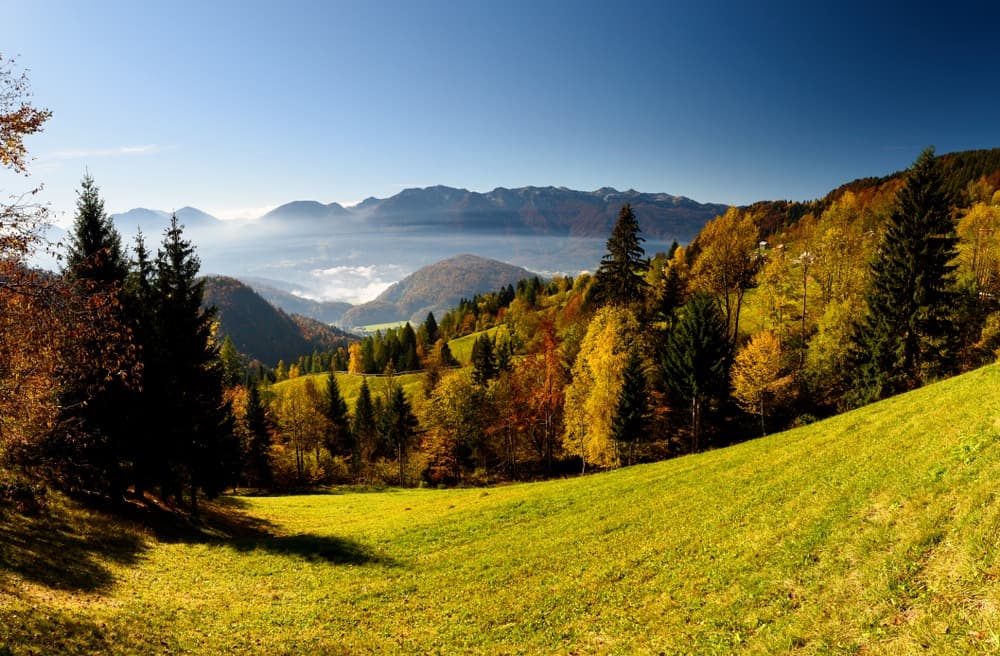
The Pokljuka Plateau is a high alpine plateau located in the Triglav National Park, in northwestern Slovenia. Stretching between 1,100 and 1,400 meters in altitude, nestled between Bled and Bohinj, it alternates between coniferous forests, summer pastures, and wooden chalets with roofs weighted down by stones. The site hosts a stage of the Biathlon World Cup each year and features more than 30 km of maintained cross-country ski trails.
Why visit Pokljuka
Pokljuka reveals a different face with each season. In summer, forests and meadows lend themselves to hiking, mountain biking, and climbing Mount Triglav, Slovenia's highest peak, accessible from the plateau. In winter, snow transforms the trails into cross-country ski routes, some of which are used for international biathlon competitions at the Rudno Polje sports center.
Beyond sport, the plateau preserves a genuine pastoral tradition: shepherds still occupy the pastures during the fine season and produce sour milk, curd, and cheese using ancient methods. Summer hamlets, such as Zajamniki, testify to an alpine way of life that remains vibrant today.
History of the plateau
Pokljuka was once covered in beech forests. In the 19th century, these forests were extensively logged to produce charcoal for the region's iron foundries. This activity profoundly altered the landscape: beeches were gradually replaced by coniferous plantations, which now dominate the plateau.
Meanwhile, summer pasturing structured life on the plateau. Wooden chalets with stone-weighted roofs, still visible at Zajamniki and other pastures, served as lodging for shepherds and workshops for milk processing. This tradition continues each summer, and it is possible to buy directly from producers on site.
What to see on the plateau
Zajamniki Pasture
On the western edge of the plateau, Planina Zajamniki lines up some thirty wooden chalets covered with stones, arranged in a row along the pasture. The ensemble, perfectly preserved, opens onto the peaks of the Julian Alps. It is one of the most emblematic panoramas of the region.
Pokljuka Gorges
Located approximately 7 km from Bled and accessible from the village of Krnica, the Pokljuka Gorges offer a route of about 2 km, or around 1.5 hours of walking. The trail runs along rocky walls about fifty meters high and crosses a footbridge built in 1930, which adds to the character of the place.
Mount Viševnik
Starting from Rudno Polje, a marked trail climbs toward Mount Viševnik. With an elevation gain of 703 m and approximately 2 hours of hiking one way, it is one of the most accessible peaks in the Julian Alps, ideal for a first high-altitude experience in Slovenia.
Rudno Polje Sports Center
The sporting heart of the plateau, Rudno Polje hosts the Biathlon World Cup events. Outside of competitions, the site serves as a starting point for cross-country skiing, ski touring, and snowshoeing, and remains open to the public.
When to visit
Pokljuka can be visited year-round with two distinct seasons. From June to September, the trails are clear and pastures are animated by livestock: this is the ideal period for hiking, mountain biking, and tasting summer dairy products. From December to March, or even until April depending on snowfall, the plateau shifts to its winter vocation, with cross-country skiing, snowshoeing, and biathlon competitions.
Shoulder seasons (May and October-November) are quieter but also more unpredictable weather-wise, with trails sometimes muddy or snowed under at altitude.
Practical Information
- Summer activities: hiking, mountain biking, mountaineering, pastoral observation.
- Winter activities: cross-country skiing (more than 30 km of trails), ski touring, snowshoeing.
- Equipment: hiking boots in summer, snow gear and warm clothing in winter.
- Accommodation: a few mountain refuges and hotels on the plateau, with a wider range in Bled and Bohinj.
- To know: weather changes quickly at altitude, bring a waterproof layer in all seasons.
How to get there
Pokljuka is essentially accessible by car. From Ljubljana, allow approximately 1 to 1.5 hours of driving depending on conditions, via the motorway toward Jesenice and then the mountain road. Two main access points serve the plateau: via Bled to the southeast and via Bohinj to the southwest. In winter, chains or snow tires are strongly recommended; roads remain open but may be snow-covered. No regular bus service efficiently serves the plateau; a car or organized transfer remain the simplest solutions.
To see in the surrounding area
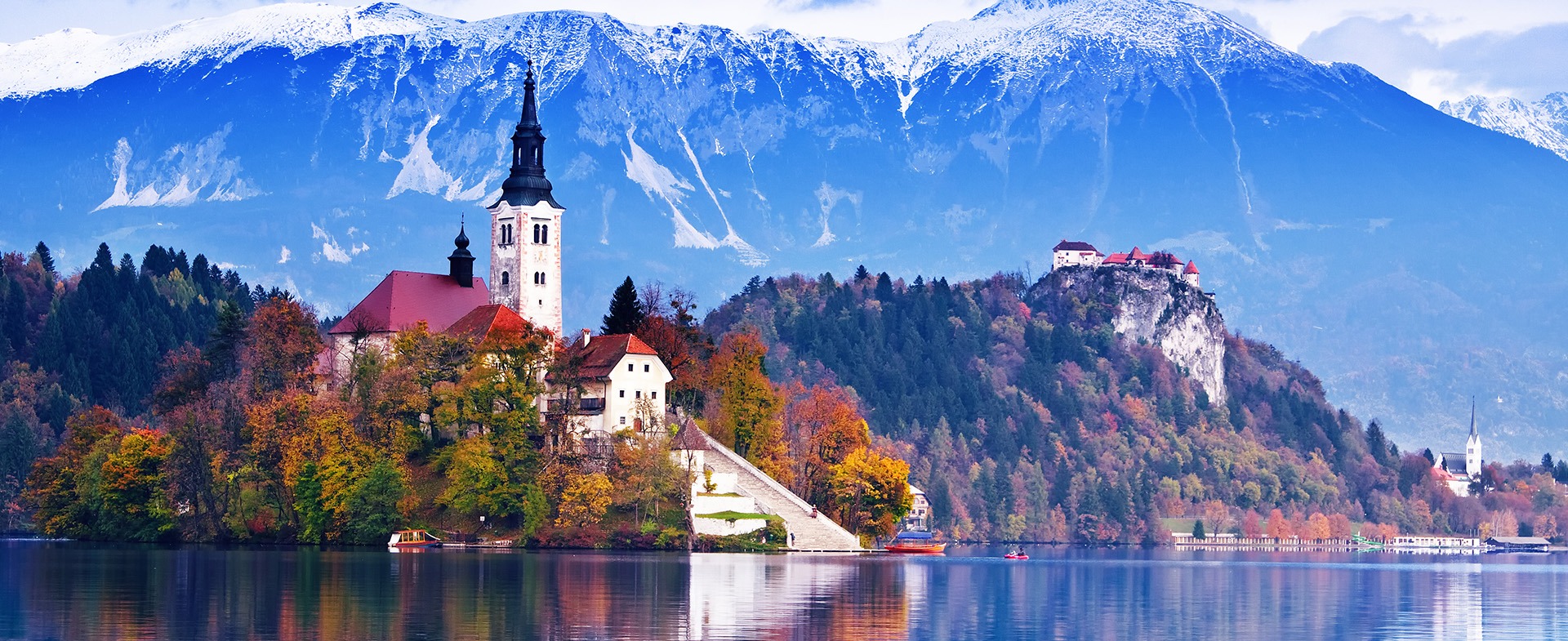
- Bled and its lake, approximately 20 km away, famous for its island and perched castle.
- Bohinj, wilder, with Slovenia's largest natural lake, at the foot of Triglav.
- The rest of the Triglav National Park, which covers the entire Slovenian portion of the Julian Alps.
- Further west, the Javorca sanctuary, a World War I memorial in the Soča valley.
Frequently Asked Questions
Frequently asked questions
Yes. Access roads from Bled and Bohinj are maintained year-round, but in winter, snow equipment is required. Conditions can change rapidly at altitude.
Not for marked trails on the plateau, such as the climb to Viševnik or the Pokljuka Gorges. However, climbing Mount Triglav, which is more challenging, is often done with a mountain guide.
Pokljuka is primarily a cross-country skiing destination, which requires some basic learning. Several easy trails allow beginners to start, and snowshoeing remains an accessible alternative for everyone.
One day is enough to combine the gorges and a pasture like Zajamniki. For high-altitude hiking or multiple trails, plan two to three days on-site or based in Bled or Bohinj.
Yes, in summer only. Shepherds on summer pasture sell their sour milk, curd, and cheeses directly from the chalets of certain pastures.
Include Pokljuka in your journey
Pokljuka naturally fits into an itinerary combining Bled, Bohinj, and Triglav National Park. To build a custom trip including hiking, alpine lakes, and traditional villages, explore our trips to Slovenia.
Interested in this visit?
We can include it in your personalised itinerary.