Bled Castle
Bled Castle
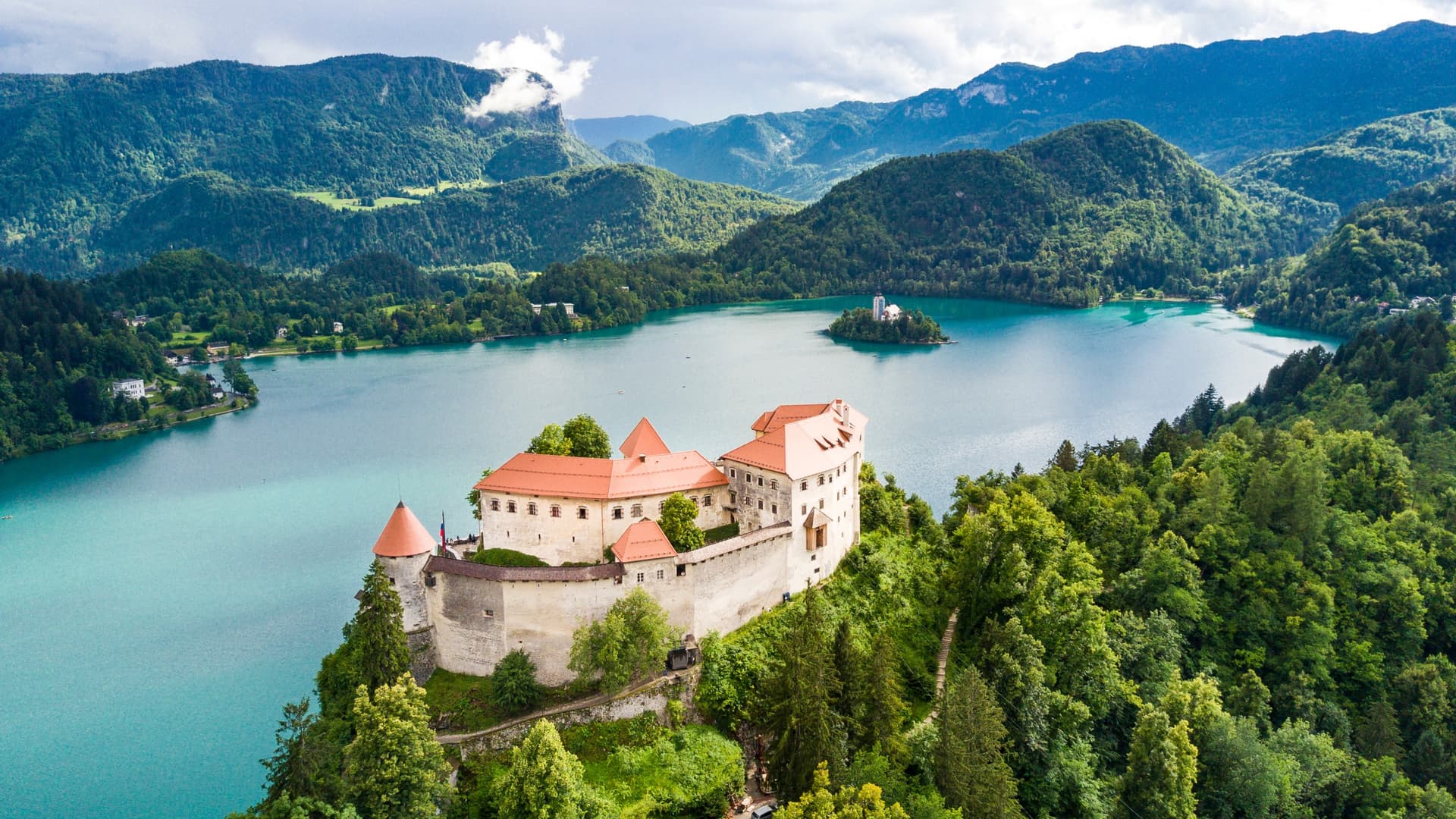
Perched 100 m above Lake Bled, Slovenia's oldest castle brings together a Romanesque tower, Gothic chapel and regional museums.
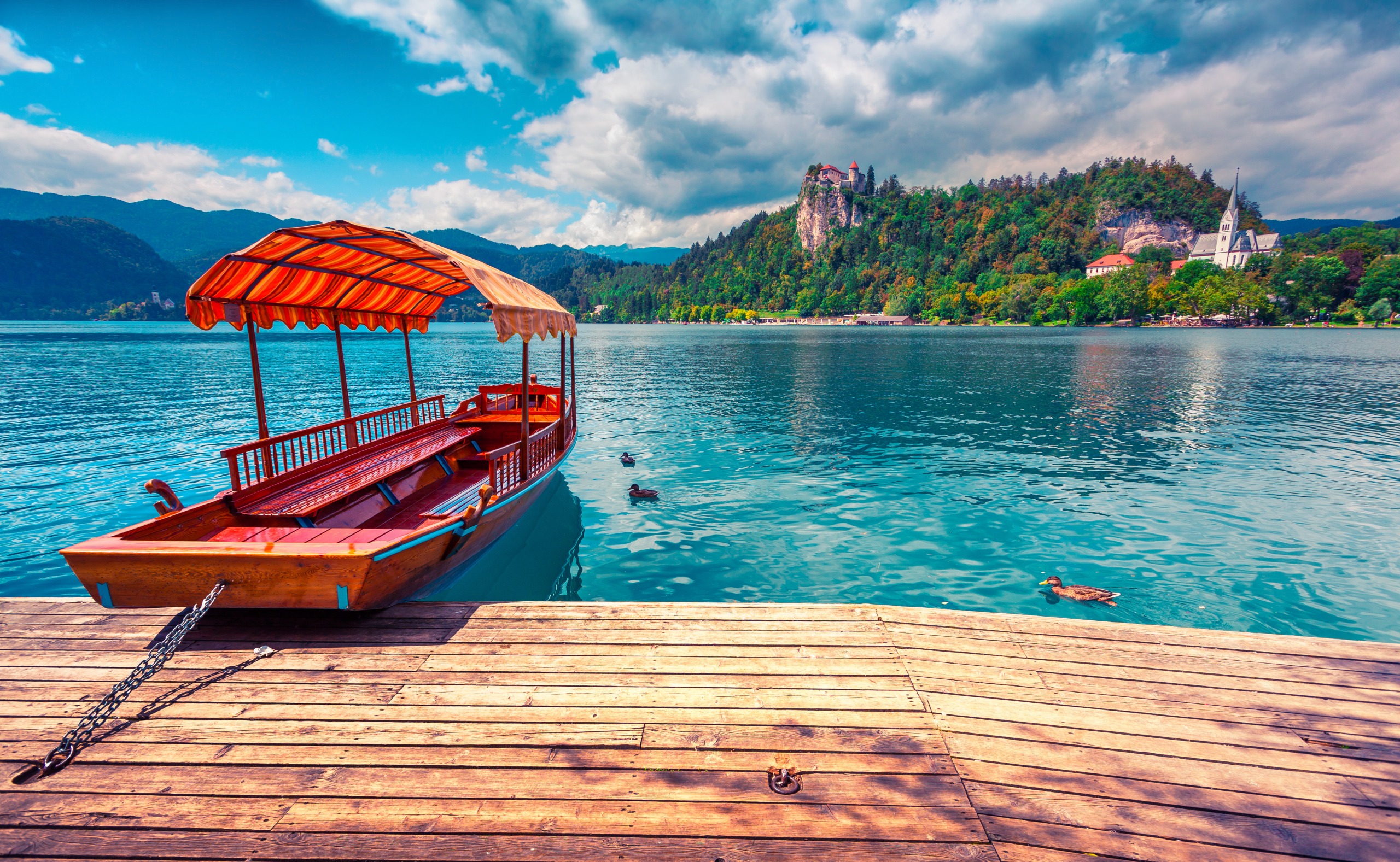
The Bled Castle (Blejski grad in Slovene) dominates Lake Bled from a rocky cliff 100 metres high. Considered Slovenia's oldest castle, it is first mentioned in 1004 and occupies one of the country's most photographed sites, in north-western Slovenia, facing the Julian Alps.
Why visit Bled Castle
The castle combines three attractions rarely found on a single site: a panoramic viewpoint over Lake Bled and its island, a coherent medieval architectural ensemble spanning more than a thousand years of history, and several themed museums spread across different buildings. A visit allows you to explore the history of the Gorenjska region, Slovenian beekeeping and medieval craftsmanship in one place, along a relatively compact route.
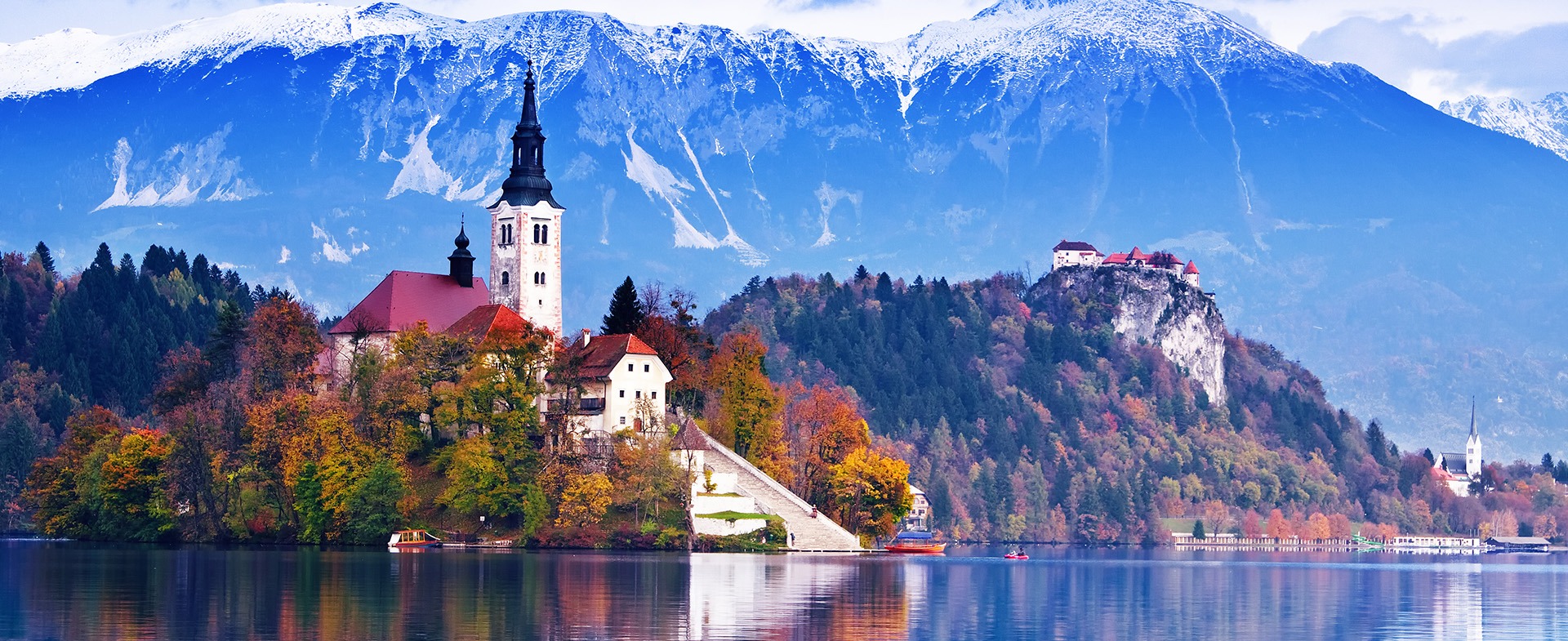
From its terraces, you can observe the Bled Island and its pilgrimage church, the surrounding forests and, on clear days, the peaks of the Julian Alps.
Castle history
The first historical mention of the castle dates back to 1004, when Emperor Henry II gave the estate to Albuin, Bishop of Brixen. For several centuries, the castle remained the property of the Bishops of Brixen, who never lived there: this absence explains the simplicity of the interiors and the lack of grand reception halls.
The Romanesque tower, the oldest element of the building, forms the original defensive core. Fortifications later extended with a curtain wall, moat and drawbridge, structuring the castle on two levels: a lower courtyard, occupied by outbuildings and staff, and an upper courtyard, reserved for administration and seigniorial lodging.
An earthquake in 1511 caused severe damage to the buildings. Subsequent reconstructions introduced Renaissance elements that overlaid the original Romanesque structure. A final renovation campaign, carried out between 1951 and 1961, gave the site its current appearance.
What to see at the castle
The Gothic chapel
Built around the 16th century in the upper courtyard, the chapel is dedicated to the bishops Saint Albuin and Saint Ingenuinus. At the end of the 17th century, illusionistic Baroque frescoes were added, simulating trompe-l'œil architecture on the walls and vault.
The castle museum
One room is dedicated to the Gorenjska regional museum and traces the history of settlement in the region around the lake. Another room commemorates Arnold Rikli, a Swiss pioneer of thermal tourism who made Bled known in the 19th century. The collection of medieval armour and weapons completes the historical tour.
The bee house
Slovenian beekeeping enjoys international recognition. This space presents local beekeeping traditions, notably painted beehives, and offers derived products (honey, mead, cosmetics).
The printing house and wine cellar
The reconstructed printing house evokes the printing techniques of the Gutenberg era; you can have a souvenir certificate printed here. The wine cellar, located in the basement, offers traditional bottling of Slovenian wines.
The Stolp gallery and the well
The Stolp gallery hosts temporary exhibitions renewed each month. In the lower courtyard, a well 12 metres deep cut directly into the rock testifies to the defensive engineering of the site.
The restaurant and Blejska rezina
The castle's restaurant serves regional dishes in a historic setting with views over the lake. The speciality to taste is Blejska rezina, Bled's emblematic cream cake, made of vanilla cream and whipped cream between two sheets of puff pastry.
Practical information
- Tickets: purchase on-site or online, moderate price. Standard reductions for students, seniors and families.
- Duration of visit: allow 1h30 to 2h30 to explore everything (museums, chapel, terraces).
- Accessibility: the ascent is via a path or staircase; the site is partially accessible to people with reduced mobility.
- Languages: signs and brochures in Slovene, English, German and Italian depending on the areas.
When to visit the castle
The site is open year-round. The most pleasant period runs from May to September, when the terraces are accessible and the vegetation around the lake is at its peak. Summer is also the season for medieval days, a re-enactment event held in the courtyard, with weapons demonstrations, crafts and knightly combat.
Autumn offers light favourable to photography and a more moderate number of visitors. In winter, the castle remains open and the region shifts towards snow activities in the nearby Julian Alps (alpine skiing, lake skating in some years).
Nearby
- The Bled Island in the middle of the lake, accessible by traditional pletna boat.
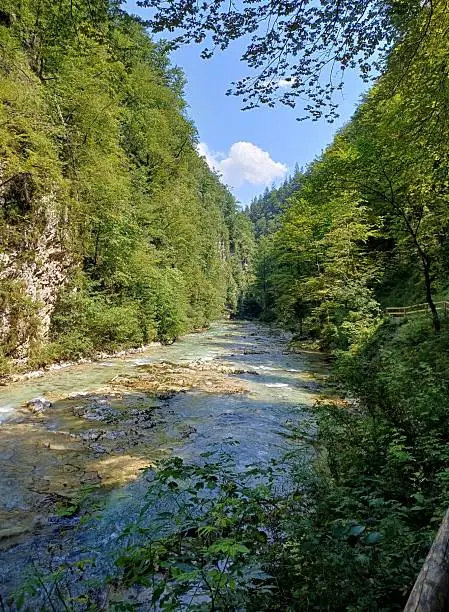
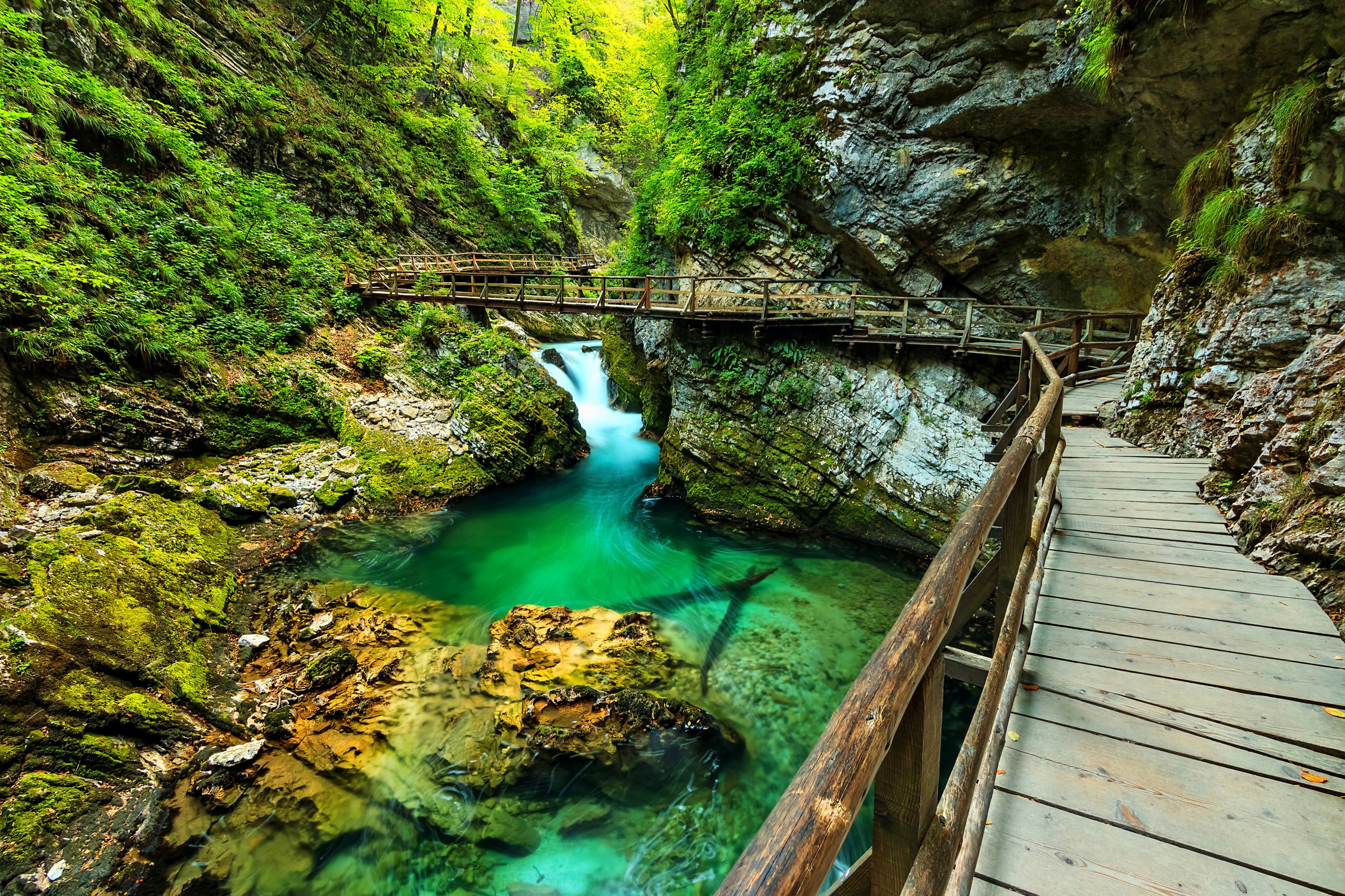
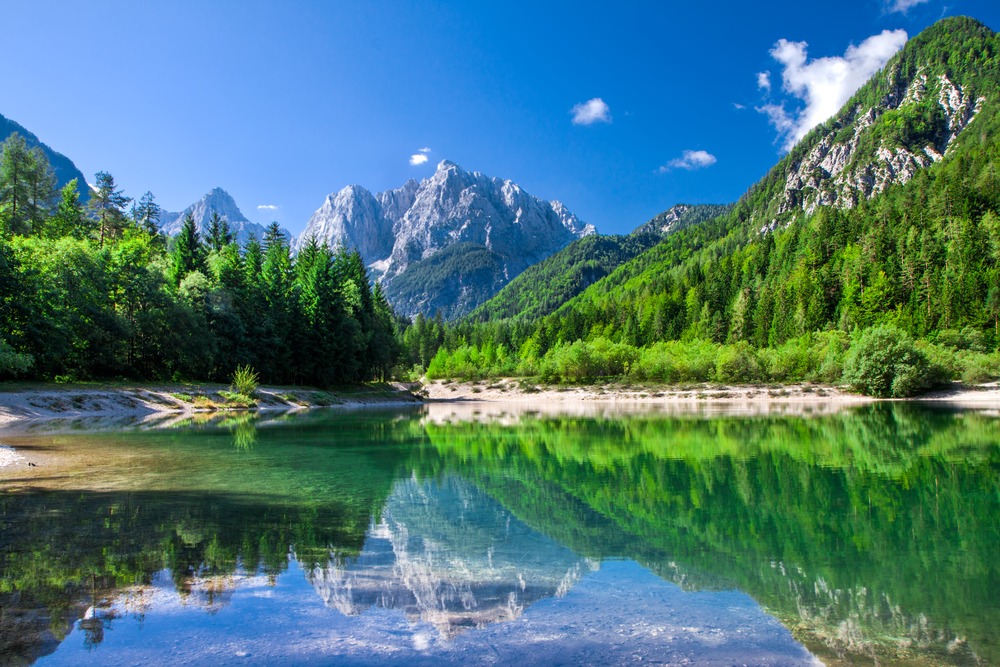
- The Vintgar Gorge, about 4 km away, which serves as the gateway to the Triglav National Park.
- The town of Bled itself, its lakefront and promenades.
- To extend the fortress theme, Celje Castle and Bistra Castle are worth a detour.
How to get there
From the centre of Bled, access is via Prešernova cesta then Grajska cesta. On foot, allow 15 to 20 minutes' walk from the lakeside, including a steep climb. By car, parking is available near the entrance. Bled is connected to Ljubljana by train (Lesce-Bled station) and direct buses from the capital's coach station.
Frequently asked questions
Frequently asked questions
Yes, its first written mention dates to 1004, making it the country's oldest documented castle. The surviving Romanesque tower is the oldest architectural element still visible.
Allow between 1h30 and 2h30 depending on your interest in the museums and chapel. Add time if you are dining at the restaurant or relaxing on the panoramic terraces.
Yes, the site is open year-round. In winter, visitor numbers are lower and the view over the lake, sometimes frozen, changes the atmosphere dramatically. Wear suitable shoes for the ascent, which can be slippery.
The must-try speciality is Blejska rezina, Bled's cream cake. The menu also features traditional Slovenian dishes made with regional produce.
Yes, several spaces are of particular interest to them: the armour collection, the reconstructed printing house, the bee house and the medieval days in summer.
Plan your trip
Bled Castle naturally fits into a tour of north-western Slovenia, between lake, mountains and Triglav National Park. To build a complete itinerary combining nature, heritage and historic towns, consult our Slovenia travel suggestions.
Nearby
Interested in this visit?
We can include it in your personalised itinerary.