Bled Island
Bled Island
Slovenia's only natural island, Bled Island is home to a thousand-year-old church, a 99-step staircase and the famous wishing bell, at the heart of a glacial lake.
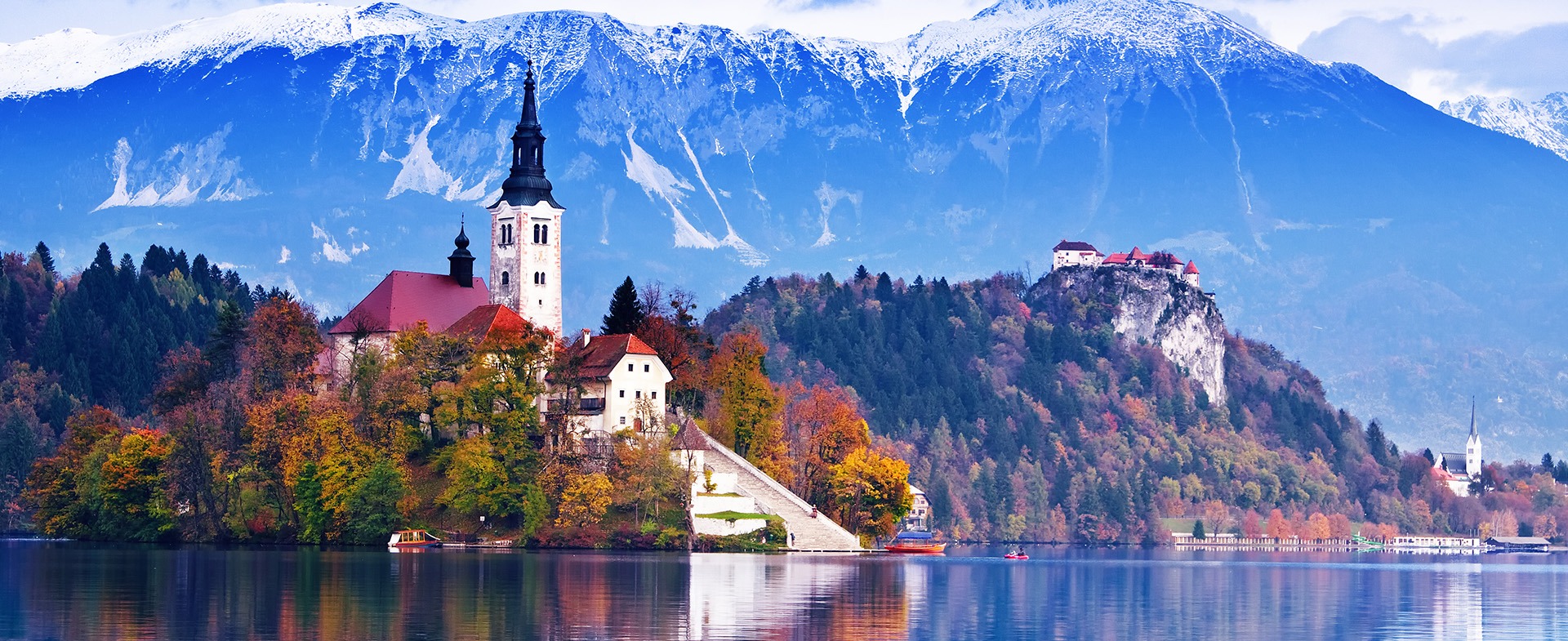
Bled Island, Slovenia's only natural island, occupies the center of the glacial lake bearing its name, in the historic region of Carniola. With its 0.82 km² and its church perched atop a 99-step staircase, it concentrates nearly a thousand years of religious history, medieval legends and an active rowing tradition. Located in the town of Bled, at the foot of the Julian Alps, it can be visited in the warmer months and in winter alike.
Why visit Bled Island
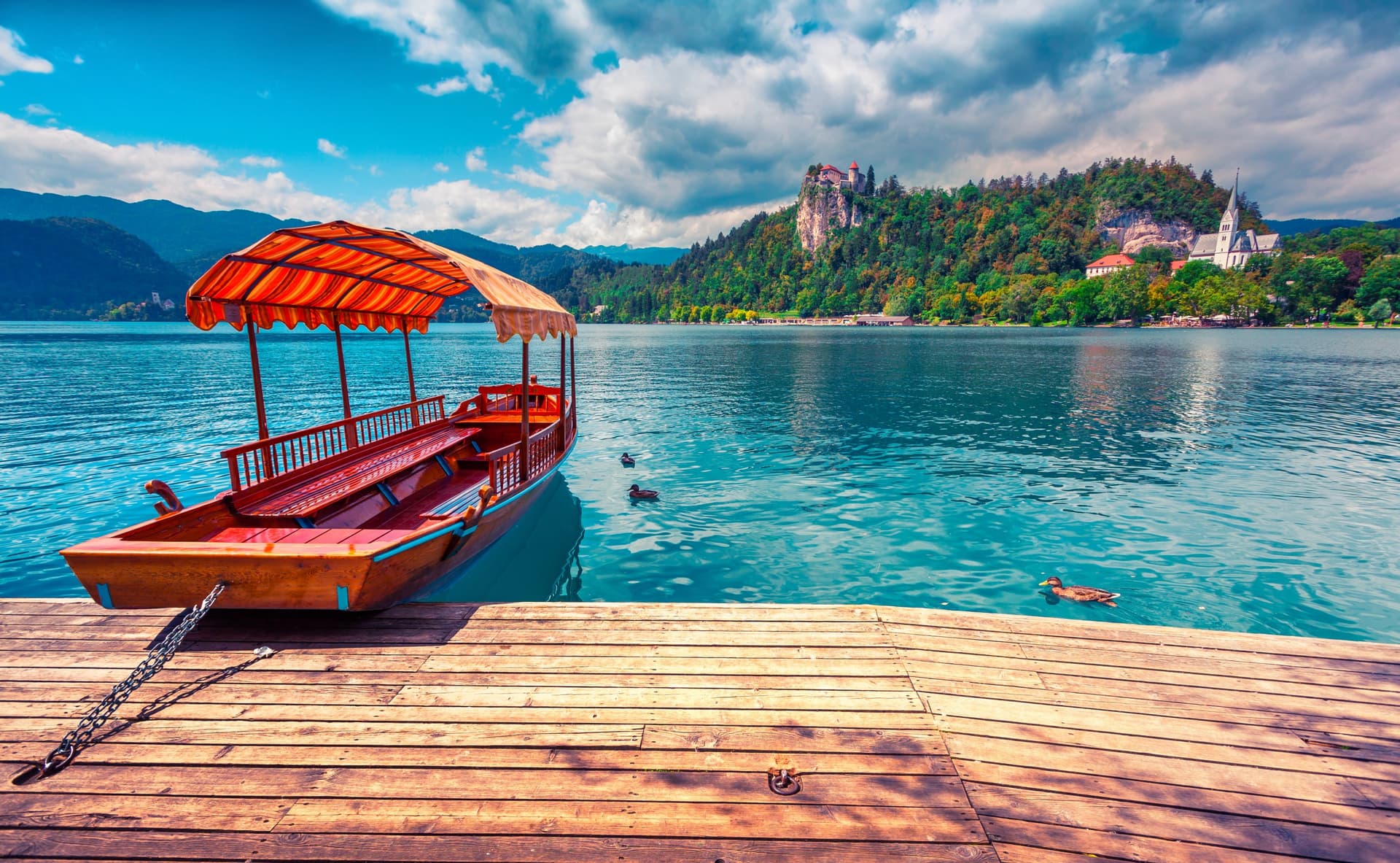
The site combines several rare features. First and foremost, it is a unique island on a national scale, anchored in a lake that does not freeze, making access possible year-round. It is also a place of continuous worship for more than twelve centuries, where a Slavic pagan sanctuary gave way to a Christian church whose interior preserves elements from the 15th to 18th centuries. Finally, the island remains inseparable from the Pletna, traditional flat-bottomed boats whose design dates back to Venetian gondolas and which still ensure the crossing today.
A history spanning over twelve centuries
Before the Christianization of the region, the island was home to a sanctuary dedicated to Živa, the Slavic pagan goddess of life and fertility. In 745, this place of worship gave way to the first church dedicated to the Nativity of Mary, marking Bled's entry into the Christian sphere.
The building underwent several alterations. In 1465, a new nave was built in the Gothic style, accompanied by an autonomous bell tower built in porous stone locally called "black grain." In the 17th century, the interior adopted Baroque vocabulary, and the bell tower was renovated several times after two earthquakes and a lightning strike that occurred in 1688. It now stands 54 meters tall.
It is also in the 17th century that the famous 99-step stone staircase was built, connecting the south landing stage to the church terrace. A still-living tradition holds that the groom carries his future bride to the top of these steps to ensure a happy marriage. The feat, observable almost every weekend of the warm season, is part of local folklore.
What to see on site
The Church of the Nativity of Mary
The interior preserves a high altar sculpted and gilded in 1747, which depicts the Mother Divine surrounded by Henry II and his wife Kunigunde, historical donors of the Bled estate. A glazed window set into the church floor allows observation of some of the 124 medieval tombs discovered on the island, dated from the 9th to 11th centuries and linked to the Slavic colonization period.
The wishing bell
The bell tower houses a large bell surrounded by two smaller ones. The large bell is associated with a persistent legend: a widow from Bled Castle, whose husband was allegedly murdered and his body thrown into the lake, had a bell cast for the island church. The boat transporting it sank in a storm. Desperate, the woman entered a monastery in Rome; upon her death, the Pope sent a second bell. Tradition has it that whoever rings it while making a wish will have their wish granted.
The Potičnica complex
Next to the south staircase are the former sacristy and the vicar's house, connected by a 20th-century building. The complex was named "Potičnica" in 2012 and today houses a café, gallery and souvenir shop.
Practical information
- Access to the island itself is free; a modest entrance fee is required to visit the church and climb the bell tower.
- Access to the church is not permitted in swimming attire; plan to bring covering clothing.
- Allow approximately 1.5 to 2 hours on the island to enjoy the church, bell tower, staircase and terrace.
- The Pletna boats measure 7 meters long by 2 meters wide, carry up to 18 passengers and are steered by a pletnar using an oar. The crossing takes around twenty minutes.
When to visit
The busiest period runs from April to September, with a peak in July-August: the Pletna boats often fill up by mid-day and it is advisable to board early in the morning. Spring and early autumn offer calmer conditions and favorable light for photography from the shores of the lake.
The island remains accessible during the low season, from October to March, as the lake does not freeze. Proximity to the Julian Alps allows you to combine alpine skiing, snowboarding or ice skating at nearby resorts.
How to reach the island
Three options are available to visitors from the shores of Bled:
- The Pletna: historic mode of transport, departing from several landing stages distributed around the lake. Journey of approximately 20 minutes.
- Renting a rowing boat: available from several riverside rental operators, for an independent crossing.
- Swimming, from the western shore, for experienced swimmers. The lake water is clear and swimming is practiced locally, but swimming attire does not grant access to the church.
What to see around the island
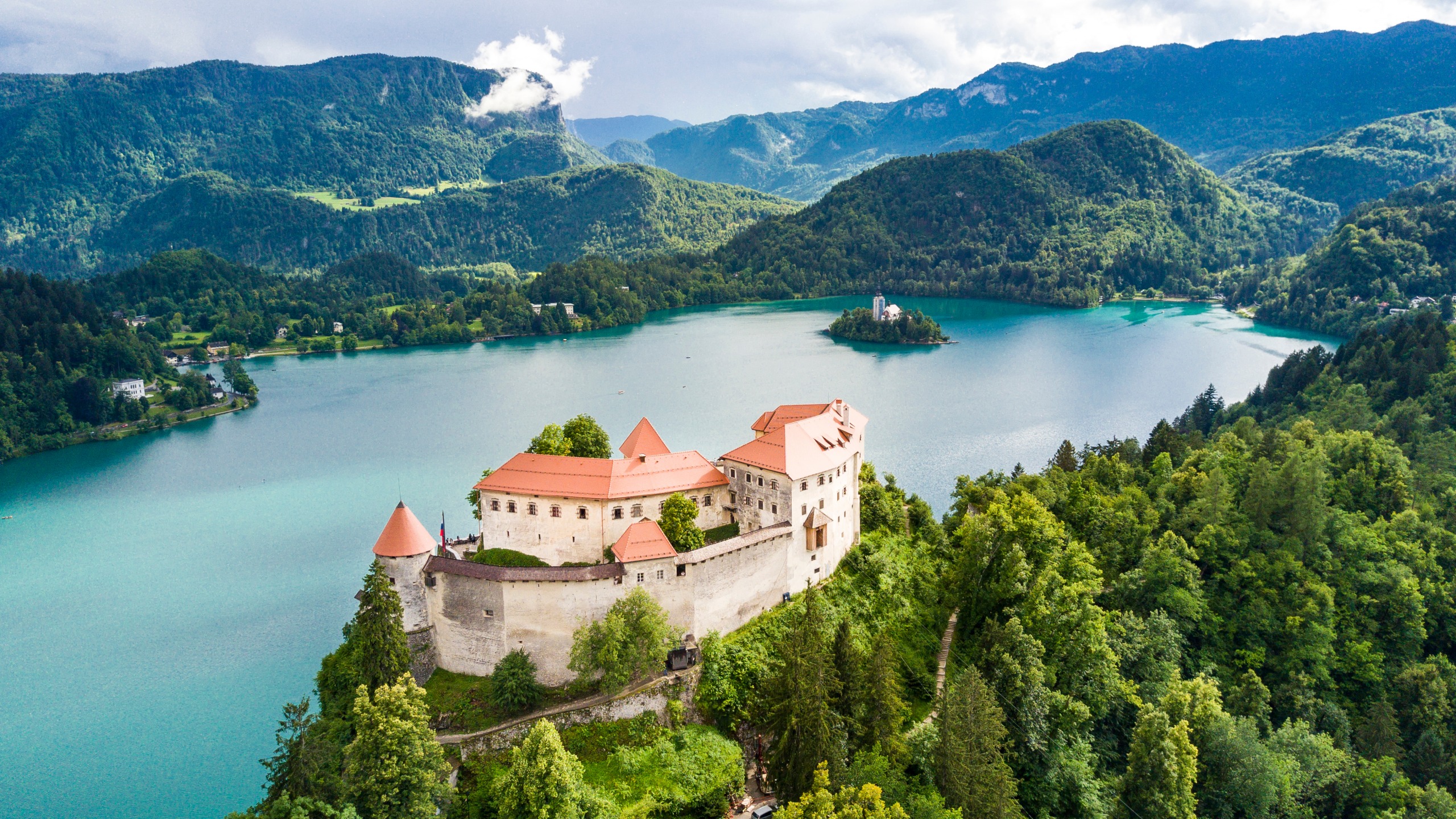
- Bled Castle, perched on a cliff overlooking the lake, offers the best bird's-eye view of the island.
- The town of Bled and its 6 km promenade around the lake.
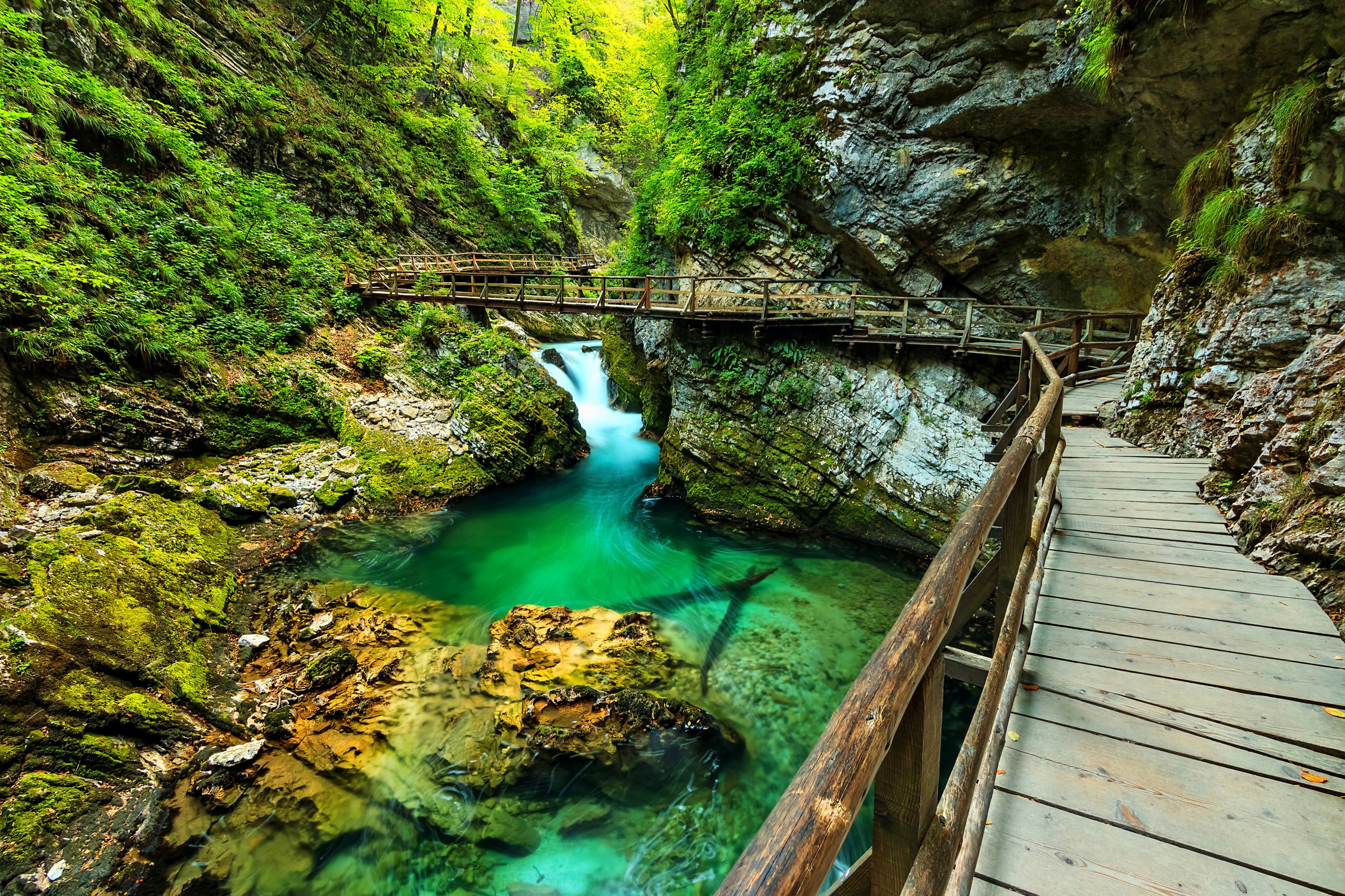
- Vintgar Gorge, a few kilometers to the north, for a hike along wooden walkways.
- To extend your journey through Slovénie, the Dragon Bridge in Ljubljana or Ptuj Castle are worth a detour.
Frequently asked questions
Frequently asked questions
Yes, it is the country's only natural island. Located in the middle of Lake Bled, it covers an area of 0.82 km².
Access to the island is free. A modest entrance fee is charged to visit the Church of the Nativity of Mary and climb the bell tower. The Pletna crossing or boat rental are paid separately.
Yes, the Church of the Nativity of Mary regularly hosts ceremonies. Tradition holds that the groom carries his bride along the 99 steps leading to the building to ensure a happy marriage.
No, Lake Bled does not freeze, which allows the Pletna boats and rowing boats to circulate year-round, although departure frequency is reduced outside the season.
Allow 1.5 to 2 hours on the island, not including the crossing. To combine the island, castle and lake circuit, plan a full day in Bled.
Learn more
Bled Island naturally fits into a broader Slovénie circuit combining heritage, mountains and historic towns. To plan your itinerary, consult our Slovénie travel suggestions.
Nearby
Interested in this visit?
We can include it in your personalised itinerary.