Ljubljana Castle
Ljubljana Castle
A medieval fortress overlooking Ljubljana, the castle houses museums, a Gothic chapel, a panoramic tower and restaurants. Complete guide to planning your visit.
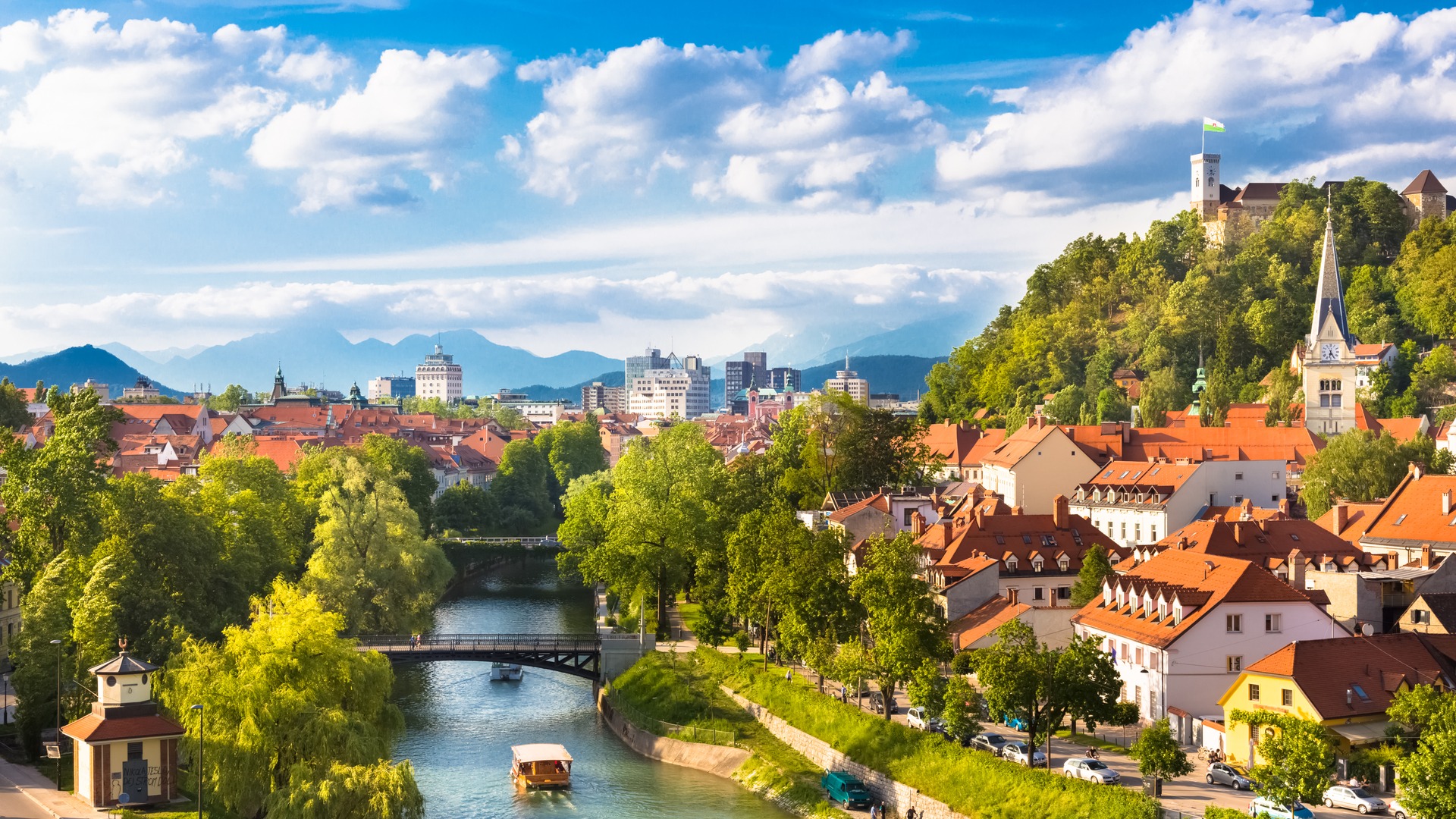
Ljubljana Castle (Ljubljanski grad) dominates the Slovenian capital from its wooded hilltop, approximately 70 metres above the Ljubljanica river. A former medieval fortress repurposed as a cultural venue, it now houses a history museum, a Gothic chapel, a panoramic tower, restaurants and a lively events programme. Budget half a day to explore at your own pace.
Why visit Ljubljana Castle
The castle combines three complementary attractions. First, a 360° panorama over Ljubljana, the Julian Alps to the north and the Pannonian plain to the south-east, accessible from the observation tower. Second, a historical journey that traces nearly nine centuries of Slovenian history, from the residence of the margraves to a 19th-century prison. Finally, a vibrant cultural offering: permanent exhibitions, scriptorium, themed escape game and fine dining venues. The site suits both quick visits and in-depth exploration equally well.
History of the castle
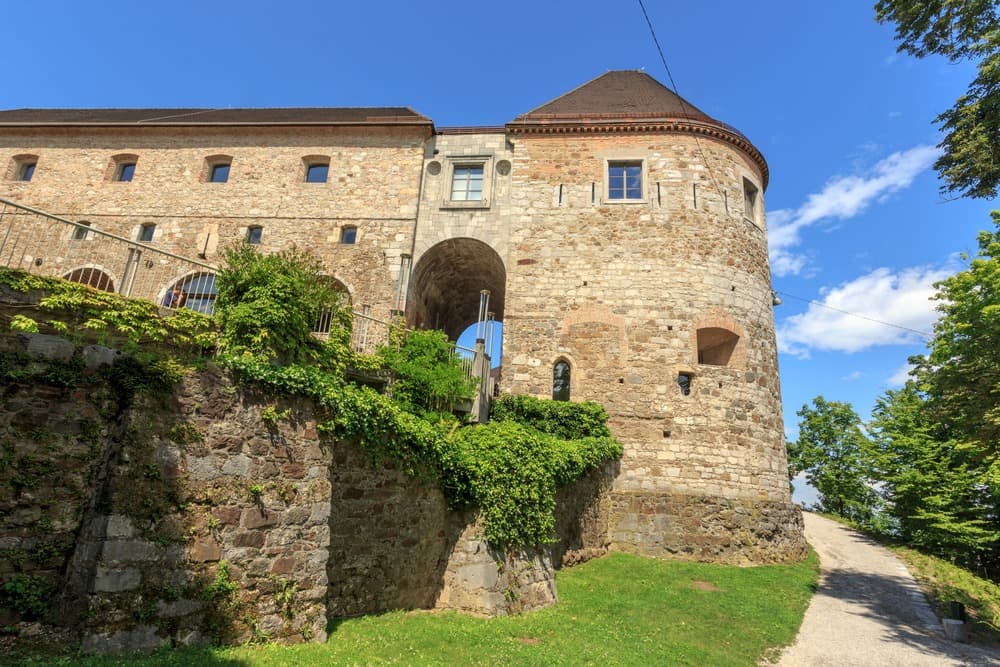
Built in the 12th century, the castle was initially the residence of the margraves of Carniola before becoming that of the Duke of Carinthia. A document from 1144 refers to it as "the seat of the Duchy of Carinthia". When the duchy was absorbed into the Habsburg possessions in 1335, much of the original fortress was destroyed.
The main reconstruction took place between 1485 and 1495, in the context of Ottoman threats and peasant revolts. Most of the defensive structures still visible today date from this period. Damaged during the Napoleonic period, the castle was converted into a prison after 1815 and remained so until the end of World War II. During French occupation in 1813, the Tower of Pipers was destroyed; the present observation tower was built alongside it in 1848.
After the war, Ljubljana residents occupied the castle's former outbuildings until 1963. Renovation work, launched in the 1970s, lasted approximately thirty-five years and transformed the site into a cultural venue open to the public. Since 2007, a funicular has facilitated access from the city centre.
What to see on site
The observation tower
Built in 1848 close to the former Tower of Pipers, it offers the widest view over Ljubljana, the Ljubljanica and the surrounding landscape. On clear days, the Julian Alps are visible.
St George's Chapel
The oldest building preserved on the site, the chapel rests on a late 15th-century Gothic framework, with Baroque decoration added later. The coats of arms of major Slovenian aristocratic families are painted on the vaults.
The Museum of Slovenian History
The permanent exhibition is organised around six themes that trace the country's journey, at the crossroads of the Alps, the Adriatic and the Pannonian valley. The narrative emphasises the dimension of cultural crossroads and the major political stages of the territory.
The Puppet Museum
Prepared by the Ljubljana Puppet Theatre, this museum presents manufacturing techniques, puppet mechanics and emblematic figures from Slovenian puppet traditions. A visit particularly appreciated by families.
The Virtual Castle
In the courtyard, a tactile model with Braille legend allows visually impaired visitors to familiarise themselves with the castle's structure.
The Scriptorium
Located in the chapel, the scriptorium allows visitors to meet a scribe and leave with their name calligraphed by hand in the style of ancient manuscripts.
Activities and experiences
The "Castle Escape" game
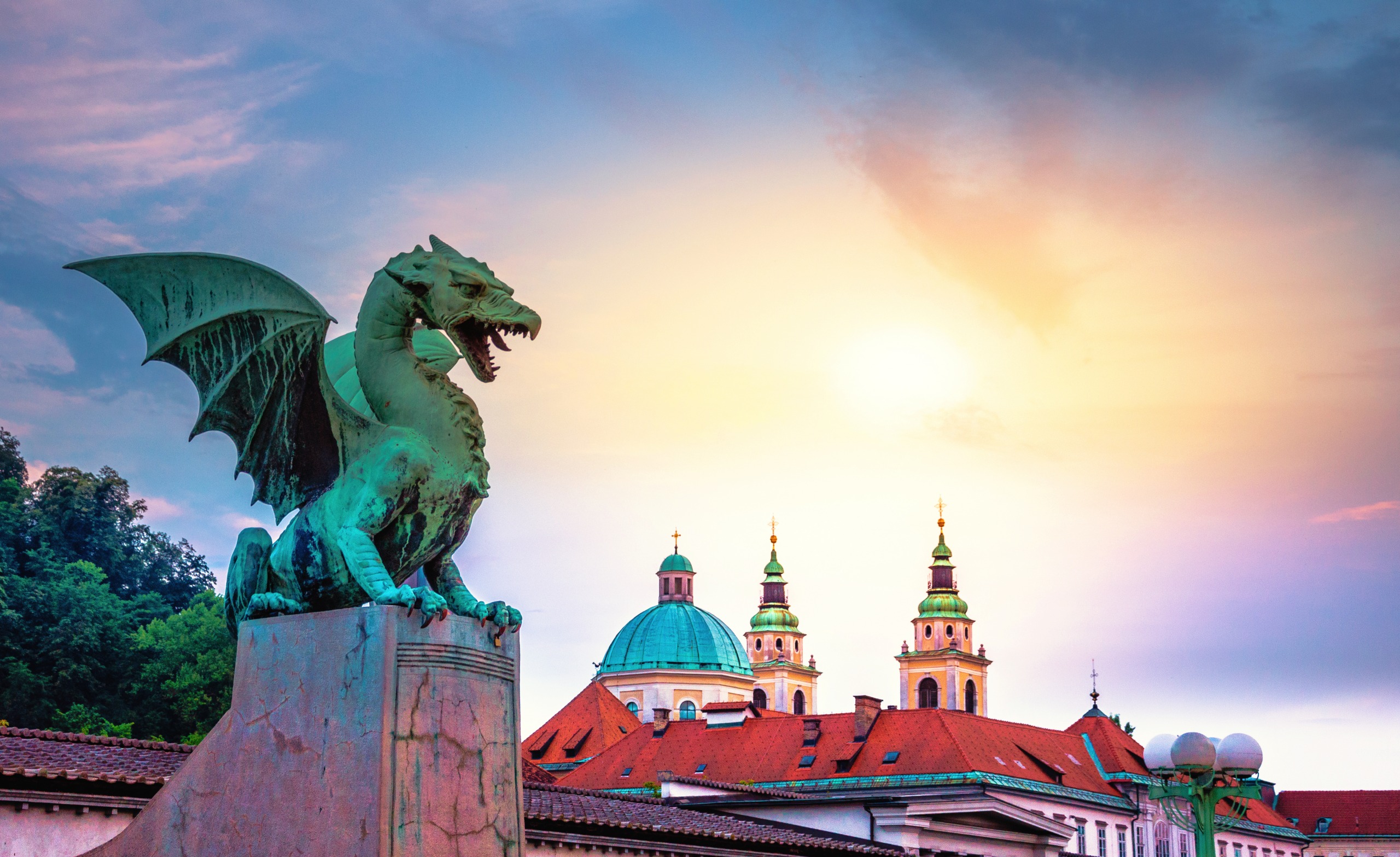
Designed for teams of 2 to 4 players, this treasure hunt takes approximately one hour. Participants must solve five riddles scattered throughout the grounds before reaching the final challenge, presented as "the dragon's resurrection", a nod to the city's symbol.
Castle dining venues
The Strelec restaurant, perched on the Archers' Tower, offers author-inspired cuisine rooted in Slovenian traditions. The menu was developed with ethnologist Dr Janez Bogataj and culinary master Jožica Drobnič (Kaval), under the direction of chef Igor Jagodic. For simpler fare, the Castle Coffee House and Gostilna na Gradu complete the offering.
Free reading: Knjigobežnice
The Knjigobežnice project installs book shelves in several castle spaces for free exchange: take a book, leave another. The Castle Reading Corner provides additional comfortable seating with loungers, pleasant in fine weather.
Practical information
Access to the inner courtyard is free. Exhibitions, the observation tower and the escape game are paid; a combined ticket is available and remains moderately priced compared to major European capitals. Allow 1.5 to 3 hours for a complete visit, longer if you plan a meal. The site is partially accessible to people with reduced mobility via the funicular and an internal lift.
When to visit
The castle is open year-round. Spring and autumn offer a good balance between reasonable crowds and pleasant weather. Summer concentrates the outdoor cultural programme (concerts, outdoor cinema, festivals) and terraces are particularly lively; in return, queues at the funicular lengthen during midday. In winter, the courtyard features illuminations and end-of-year events. As civil weddings are frequent at weekends, certain rooms may be occasionally privatised.
How to access it
On foot. Several paths climb the hill in 10 to 15 minutes. The most convenient starting points are from Stari trg (old town square) or from the central market, near the Triple Bridge.
By funicular. The departure station is on Krekov trg, next to the puppet theatre. Cabins run continuously, approximately every 10 minutes, during site opening hours. The journey takes one minute and offers a quick view over the old town.
What to see nearby
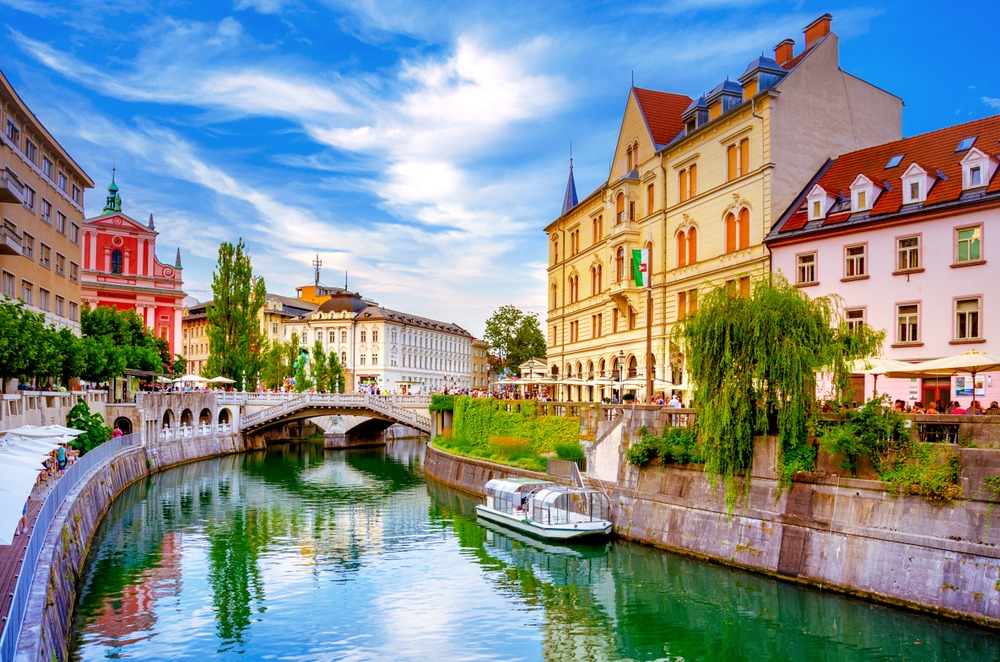
The castle is naturally visited as part of a stroll through Ljubljana's old town: the banks of the Ljubljanica, Plečnik's Triple Bridge, the central market and St Nicholas Cathedral are all at the foot of the hill. To extend your journey beyond the capital, Bled Castle and Bled Island make a classic excursion approximately one hour's drive away. Within Ljubljana itself, the Dragon Bridge remains a must-see for those interested in the city's emblem.
Frequently asked questions
Frequently asked questions
Allow 1.5 to 2 hours for the main exhibitions and observation tower, and up to half a day if you add the escape game or lunch on site.
Access to the hill and inner courtyard is free. Museums, the observation tower and the funicular are paid, generally via a combined ticket.
No. The walk up from Stari trg or the central market takes 10 to 15 minutes via shaded paths. The funicular remains convenient in case of reduced mobility or extreme heat.
Yes. The Puppet Museum, the "Castle Escape" game and the scriptorium are designed to engage children. The courtyard also provides open space for a break.
Yes, particularly in summer when the cultural programme extends into the evening. The castle restaurants welcome visitors at night and the sunset view is one of the most cherished moments.
Plan your trip
Ljubljana Castle easily fits into a broader itinerary spanning the Julian Alps, the Adriatic coast and the eastern wine regions. To craft a bespoke itinerary including the capital and surroundings, consult our trips to Slovenia.
Interested in this visit?
We can include it in your personalised itinerary.