Rakov Škocjan Park
Rakov Škocjan Park
Slovenia's oldest landscape park, Rakov Škocjan brings together natural stone bridges, deep sinkholes and archaeological caves in the heart of the Karst region.
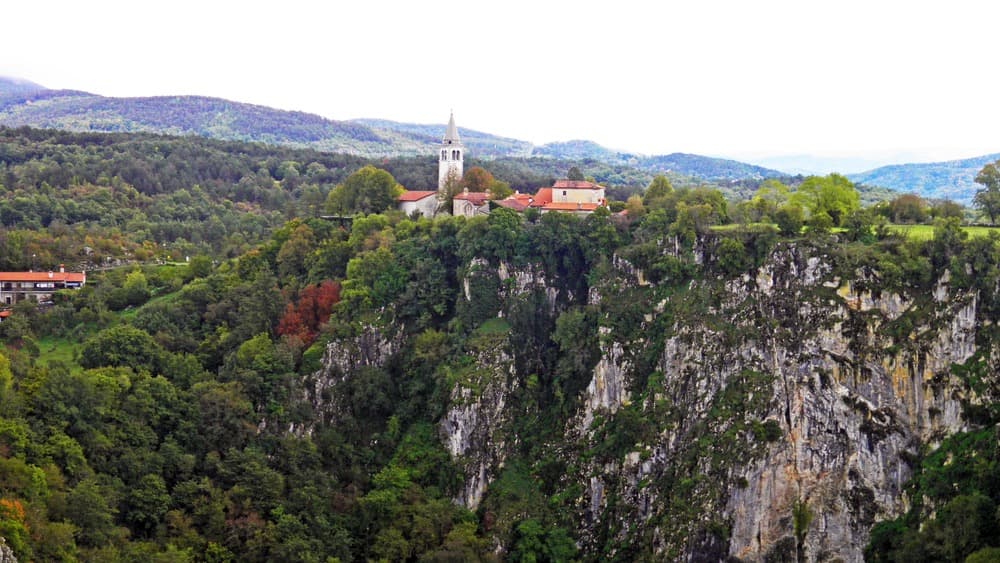
Rakov Škocjan Park is Slovenia's oldest landscape park. Located in the southwestern part of the country, in the Karst region, it forms part of the Inner Carniola regional park. Across a protected area of approximately 413 hectares (with an influence zone extending to 45,000 hectares), it brings together natural bridges, collapse sinkholes and archaeological caves within a few kilometres of trails.
Why visit Rakov Škocjan Park
This site combines three complementary attractions: a highly legible karst landscape (featuring two natural stone bridges and two large sinkholes visible from the trails), an archaeological heritage uncovered by the park's caves, and a forested setting along the Rak stream. Visitor numbers remain moderate compared to Postojna Caves or the UNESCO-listed Škocjan Park, making it a peaceful stop to include between Ljubljana and the Adriatic coast.
The park is explored on foot along marked trails; no guided underground tour is necessary to grasp the essentials.
History and formation of the site
The current landscape results from the collapse of the ceiling of an ancient cave traversed by the Rak stream. The two remaining rock arches — the Small Natural Bridge (Mali naravni most) and the Large Natural Bridge (Veliki naravni most) — are vestiges of this underground system. Between the two, the stream flows in open air before disappearing underground again.
The park also has a long human history. Excavations in the caves have uncovered remains from the Bronze Age and late Iron Age, as well as traces of ancient occupation. The site known as the Škocjan Settlement bears witness to prolonged human presence. Several caves served as burial sites and for ritual purposes: the Mušja jama (Large cave on the Prevala, also called the Fly Cave) preserves traces of offering activities, and Tominc Cave yielded much of the archaeological material now under study.
What to see in the park
- The Small Natural Bridge (Mali naravni most): stone arch passable by a trail, accessible within minutes from the main parking area.
- The Large Natural Bridge (Veliki naravni most): second arch, more massive, located at the other end of the park.
- The Large Sinkhole: 163 metres deep, the lowest point of the visible karst system.
- The Small Sinkhole: 120 metres deep, to be observed from the arranged viewpoints.
- The Mušja jama (Fly Cave): cave of remarkable archaeological status, interior not freely accessible but marked along the route.
- Tominc Cave: another site of archaeological interest in the park.
When to visit
The park is open year-round, but its appearance varies considerably with the seasons. In spring and after heavy autumn rains, the Rak stream is in flood and the natural bridges reveal their full character. In summer, the forest canopy provides shade, though water flow may be reduced. Winter offers bare landscapes; trails can be slippery in frost or snow.
For light on the arches and sinkholes, May–June and September–October offer the most balanced periods.
Practical information
Allow 2 to 3 hours to complete the circuit connecting both bridges and the sinkhole viewpoints. The main trail presents no technical difficulty but includes descents to the stream; closed-toe shoes recommended.
- Park access is free and open year-round.
- No ticketing or mandatory guided tours; interpretation panels are provided on site.
- No permanent facilities within the park: bring water and a snack.
- Archaeological caves are not freely accessible: stay on marked trails.
How to get there
The park is located away from major routes, between Cerknica and Rakek. A car is the most straightforward option: from Ljubljana, allow approximately one hour by motorway A1 followed by local roads. Parking is available at the park entrance.
By public transport, Rakek railway station (Ljubljana–Postojna line) is the nearest, but several kilometres remain, with no direct public transport connection. Combining Rakov Škocjan with a visit to Postojna or Cerknica Lake the same day is the most practical option if you have a car.
Nearby attractions
- Cerknica Lake: an intermittent lake a few kilometres away, another karst curiosity of the region.
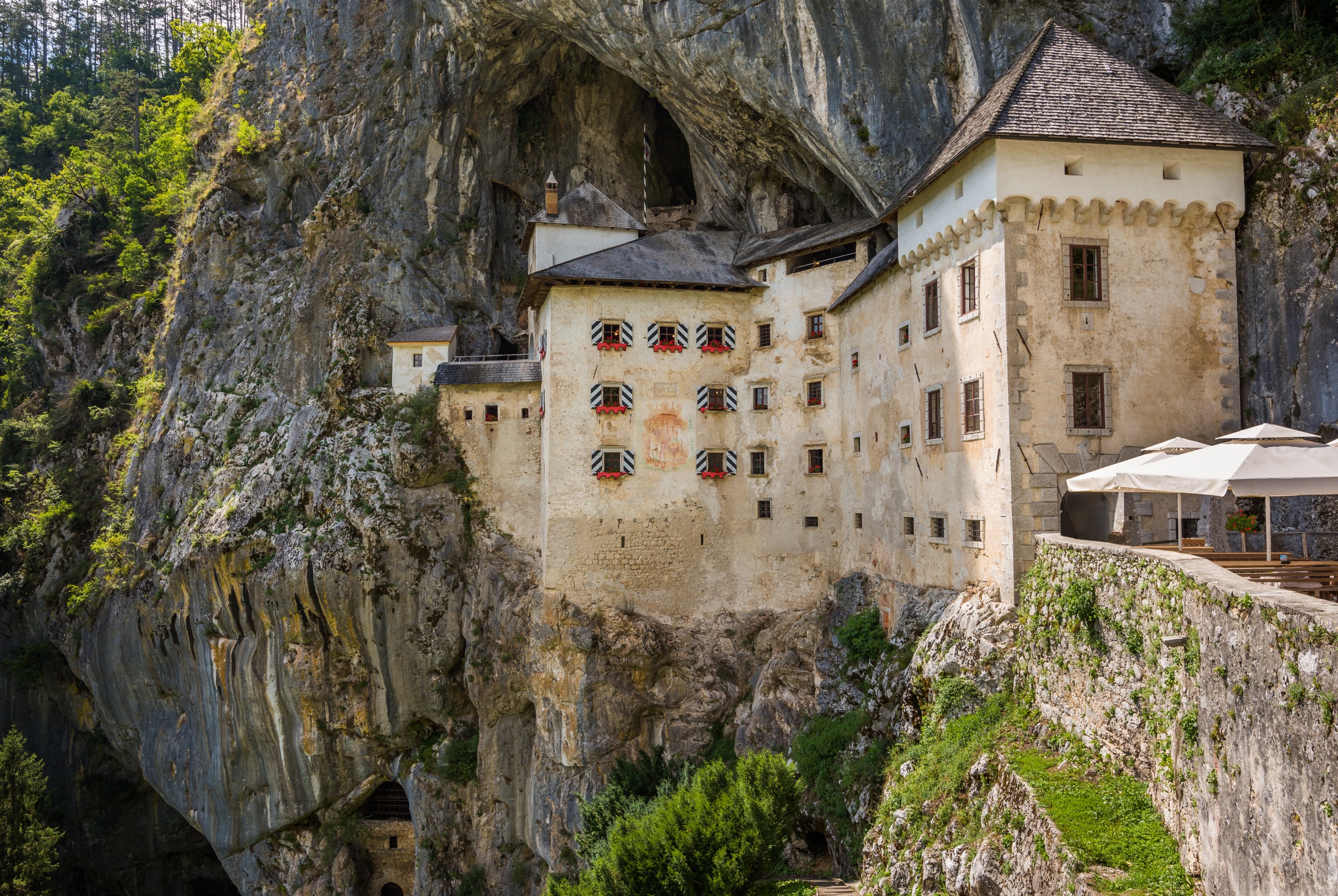
- Postojna Caves and Predjama Castle: approximately 20–30 minutes by car.
- To further explore Slovenian heritage, you can also visit Ptuj Castle or explore Kobarid Museum dedicated to the Isonzo Front.
- In Ljubljana, the Dragon Bridge remains an unmissable landmark in the city centre.
Frequently asked questions
Frequently asked questions
Allow 2 to 3 hours to connect the two natural bridges and observe the sinkholes from the viewpoints. A half-day is sufficient for a comfortable visit.
Park access is free. No reservation is required to walk the outdoor trails.
No, these caves are not freely accessible due to their archaeological status. They are marked along the route and can be observed from outside.
Spring and autumn, after rainfall, provide the best water flow of the Rak stream and make the natural bridges more dramatic. May–June and September–October are balanced periods in terms of light and visitor numbers.
Yes. The park is close to the intermittent Cerknica Lake and Postojna Caves, allowing you to create a full day around Slovenian karst.
Planning your trip to Slovénie
Rakov Škocjan Park fits naturally into an itinerary combining Ljubljana, the karst and the coast. To build a cohesive stay around karst landscapes, alpine lakes and Slovenian heritage, consult our Slovénie tours.
Interested in this visit?
We can include it in your personalised itinerary.